

Table of Contents
This article answers directly whether 27 is too old to start tennis, and the answer is a clear no.
Why 27 is the perfect age to start tennis
Tennis is a lifelong sport. For most beginners, the barrier is low: a racket, a few balls, and a place to play.
Many clubs also lend equipment for a first session, which makes starting tennis easier and keeps early costs down while learning tennis. Useful guidance for adult tennis beginners shows the same principle in practice.
A late-to-start tennis concern is common. By contrast, it rarely reflects how the sport actually works.
Is it really too late to start tennis at 27?
No. Anyone wondering whether 27 is too old to start tennis should know there is no age cut-off for learning tennis and building solid tennis skills.
Adults start tennis at 30, 40, and 50, then develop into confident club players through regular practice. By contrast, progress depends far more on consistency, enthusiasm, and a willingness to learn than on having started at a young age.
- No age cut-off Tennis welcomes beginners at every stage of life, and starting age matters less than commitment to the basics.
- Faster adult learning Adults often absorb instructions and tactical ideas quickly, which can accelerate early tennis skills development.
- Proven later starters Many players who start playing tennis after 27 reach a competitive club standard within one to two seasons of steady practice.
That pattern shows up quickly. One or two structured sessions a week often lead to visible improvement within six weeks, which makes 27 far from too late to start tennis.
Health and social benefits of starting tennis as an adult
The benefits of tennis begin from the first sessions, and the long-term health benefits of tennis are unusually well documented.
The Copenhagen City Heart Study reported that tennis players gained 9.7 years of life expectancy, the highest of any sport studied. As a result, the case for starting at 27 extends well beyond enjoyment.
- Cardiovascular protection Regular playing tennis can reduce cardiovascular disease risk by up to 56% and burns around 400 to 600 calories per hour through natural interval work.
- Bone and balance gains Running, jumping, and hitting strengthen muscles and bones while improving agility and everyday movement.
- Mental health buffer Social tennis creates a valuable space outside work and home, and that social connection supports stress reduction and long-term wellbeing.
Those physical gains are only part of the picture. Anticipating opponents and building points also sharpen decision-making and memory, so the health benefits of tennis extend beyond fitness alone.
How to get started with tennis at 27
From that point, the practical side is straightforward. Local leisure centres, public parks, and tennis clubs often run beginner lessons, tasters, and open days designed for adults who want to start playing tennis.
Booking platforms also make court hire and player matching simpler. Consistency matters more than ambition at this stage: the session easiest to schedule is the one most likely to become a habit.
A qualified tennis coach helps most beginners progress faster: clear drills, direct feedback, and a structured pathway through rallying, serving, scoring, and early match play. The tennis serve tips available from qualified coaches break down stance, ball toss, and trophy position into manageable stages.
Tennis Scorer recommends one session per week at first, then a second once the body has adapted. On court, that means better continuity, lower injury risk, and steadier confidence for anyone starting tennis as an adult.
Core fundamentals every adult beginner should master
Once regular sessions are in place, the focus should narrow to fundamentals.
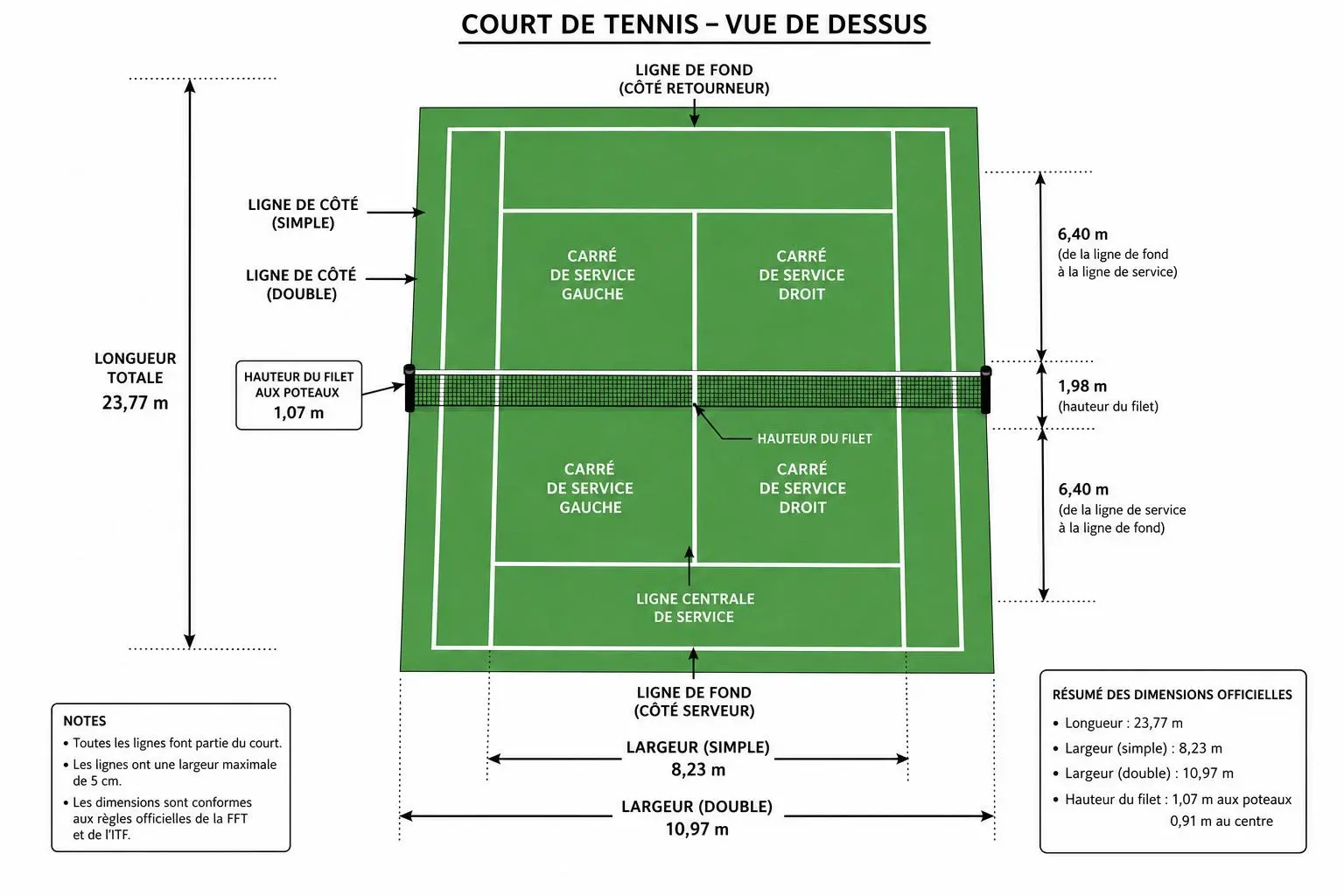
The tennis fundamentals guide highlights five connected pillars: grip, footwork, kinetic chain mechanics, the five basic strokes, and scoring.
Frequently asked questions
Can I really start playing tennis at 27 with no prior experience?
Yes. Starting at 27 is entirely common, and regular practice matters far more than the age at which a player picks up a racket.
Most clubs offer adult beginner sessions, so new players are usually grouped with others at a similar level. A qualified tennis coach will introduce the essentials early on: grip, footwork, and the basic scoring structure. In practice, one or two structured lessons a week are often enough for clear progress within six weeks.
What are the main health benefits of taking up tennis as an adult?
Research from the Copenhagen City Heart Study linked regular tennis with 9.7 additional years of life expectancy, the highest figure recorded among the sports studied.
That wider picture is reflected in day-to-day results: up to 56% lower cardiovascular disease risk accompanies the aerobic load, with roughly 400 to 600 calories burned per hour and measurable gains in bone density and balance alongside. As a result, adults who begin regularly also report reduced stress and sharper cognitive function alongside the physical gains. The difference comes down to consistency, not the age at which a player starts.
Do I need specialist equipment to enjoy tennis as a beginner?
No. To start playing tennis, a racket and a few balls are enough, and many venues provide both for early sessions.
Once sessions become regular, equipment choice starts to matter more: beginners usually benefit from a racket head size between 95 and 110 square inches, which makes contact more forgiving during the learning stage. Standard sportswear and trainers with non-marking soles are suitable at this stage. Before buying independently, ask a tennis coach to check grip size: an ill-fitting handle accelerates forearm fatigue and disrupts stroke development from the first session.