

Table of Contents
This guide covers everything needed to start learning tennis with confidence: from finding local courts and booking a first lesson, to building sound technique, choosing a suitable tennis racquet, and understanding tennis scoring from the first session.
Your complete guide to tennis lessons and first steps
For most people, beginner tennis is easy to start. Very little equipment is needed, and many venues lend a racquet and balls, so the first step is usually simple: turn up and play tennis.
The tennis fundamentals guide explains the core skills that shape a good start: tennis grip, tennis footwork, stroke production and scoring in real play.
How to find your first tennis lesson and play tennis
Local leisure centres, parks and tennis clubs often run beginner tennis lessons, weekend tasters and open days. Many of them are designed for people with no experience at all.
- Book online: dedicated platforms make it easier to reserve local courts and find players at a similar level.
- Attend an open day: introductory sessions and club tours remove uncertainty and give a clearer sense of the setting before committing to a course.
- Use loan equipment: some venues provide a tennis racquet and shared balls, so a full tennis kit is not essential at the start.
- Find a qualified coach: an LTA-accredited tennis coach brings structure, feedback and a clearer path for developing skills.
Once that first booking is made, regularity becomes the real advantage: one or two sessions a week, kept to a consistent time slot, is a sensible rhythm for beginner tennis.
Five fundamentals to master when you start learning tennis
From that point, structured tennis lessons work best when the basics are learned together rather than in isolation. Grip influences contact, footwork shapes timing, and early tennis scoring knowledge helps each lesson feel closer to real match conditions.
- Tennis grip: the Eastern forehand grip is a strong starting option because it feels close to a relaxed handshake and helps beginners strike the ball cleanly without excessive wrist action.
- Tennis footwork: the split step, timed with an opponent’s contact, balances the body and improves the first movement; the 5 R’s framework covers Readiness, Reaction, Running, Rhythm and Recovery between shots.
- Kinetic chain mechanics: efficient strokes start from the ground and move through the legs, hips and core before reaching the shoulders, arm and racquet; the follow-through then helps the body slow down safely.
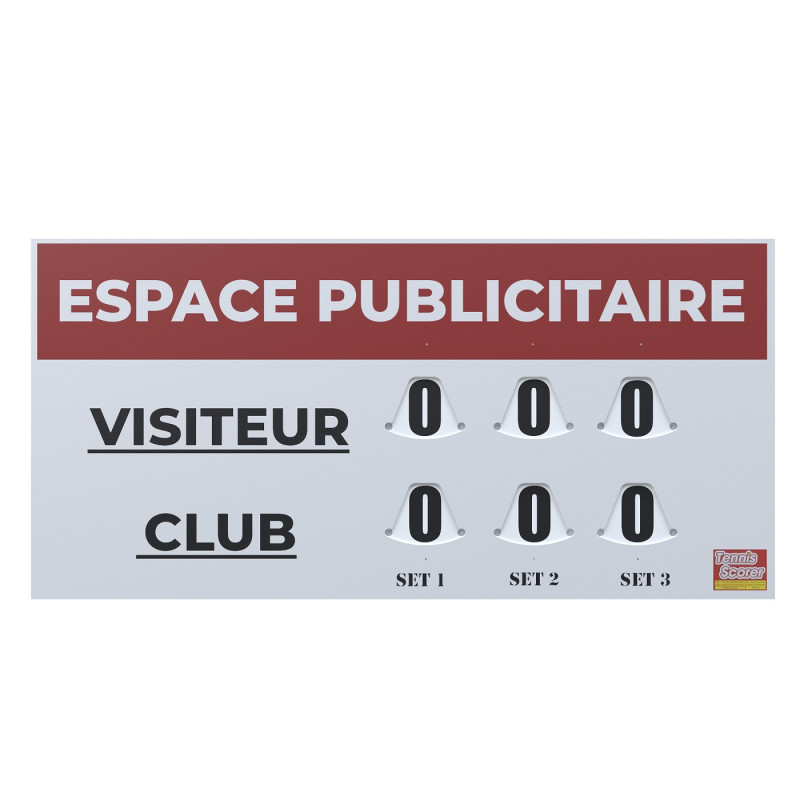
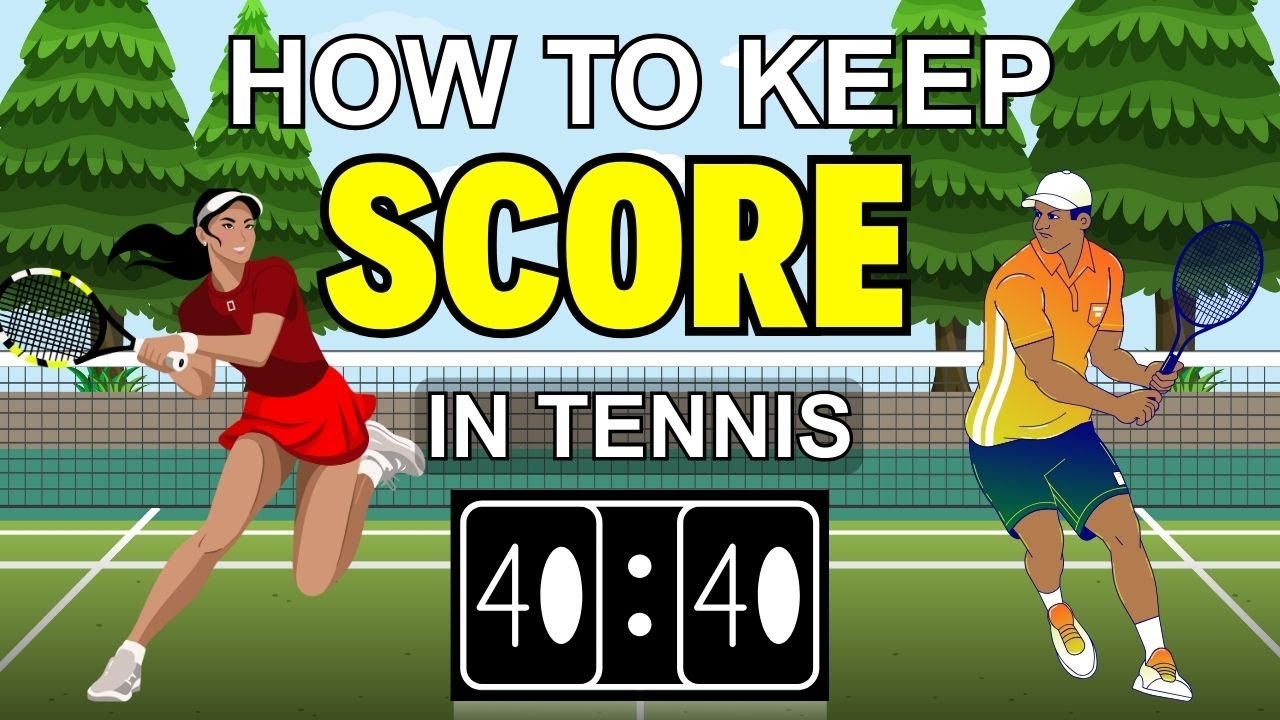
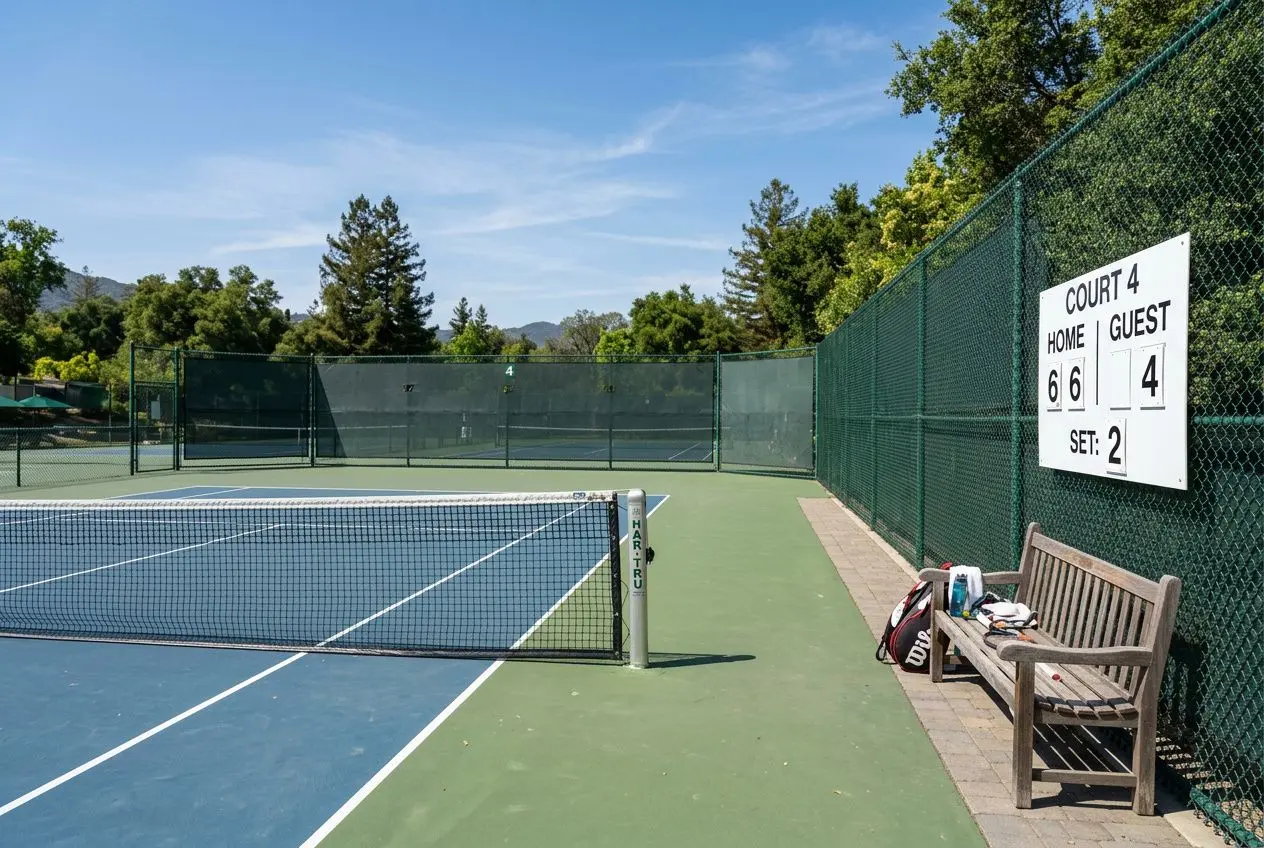
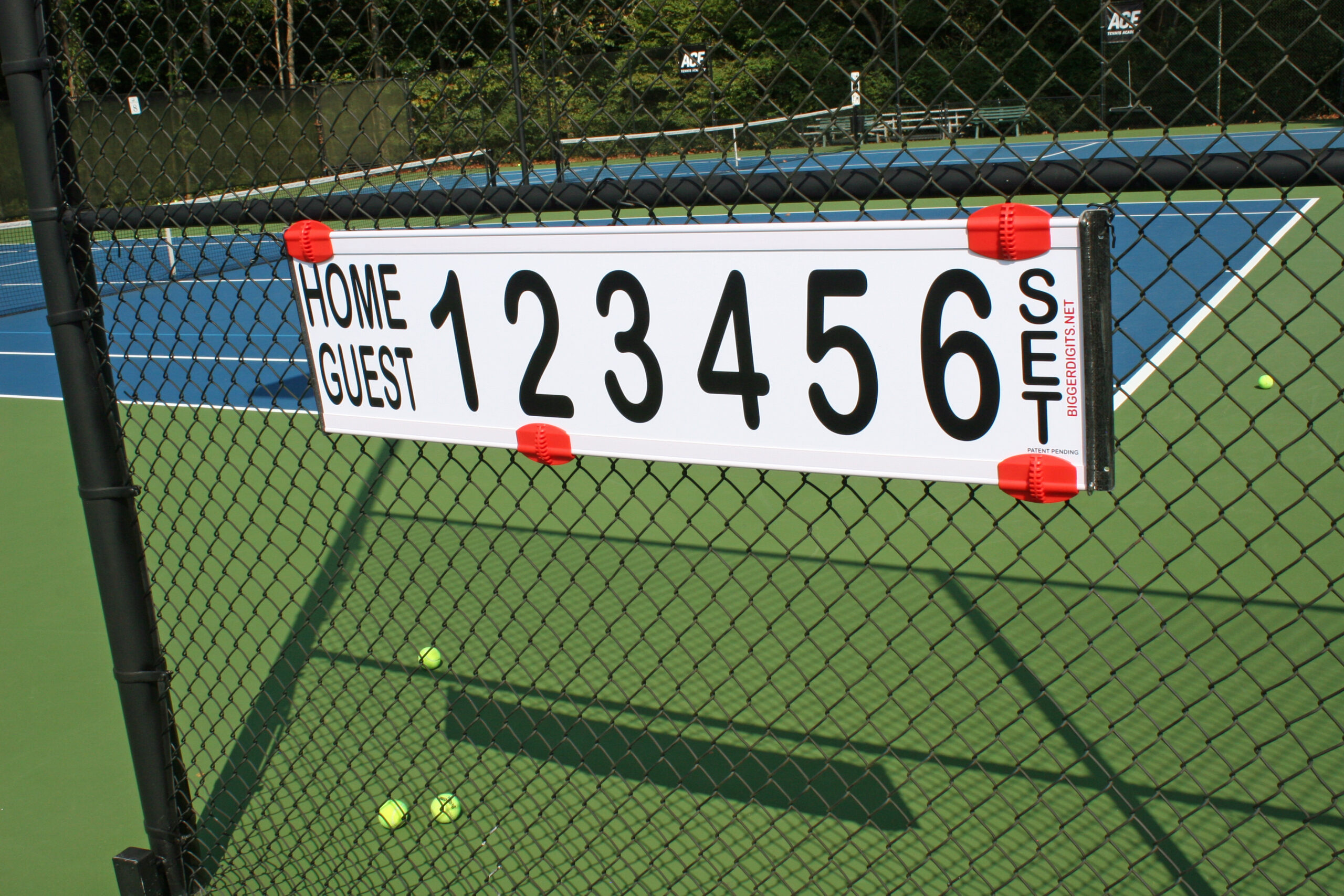
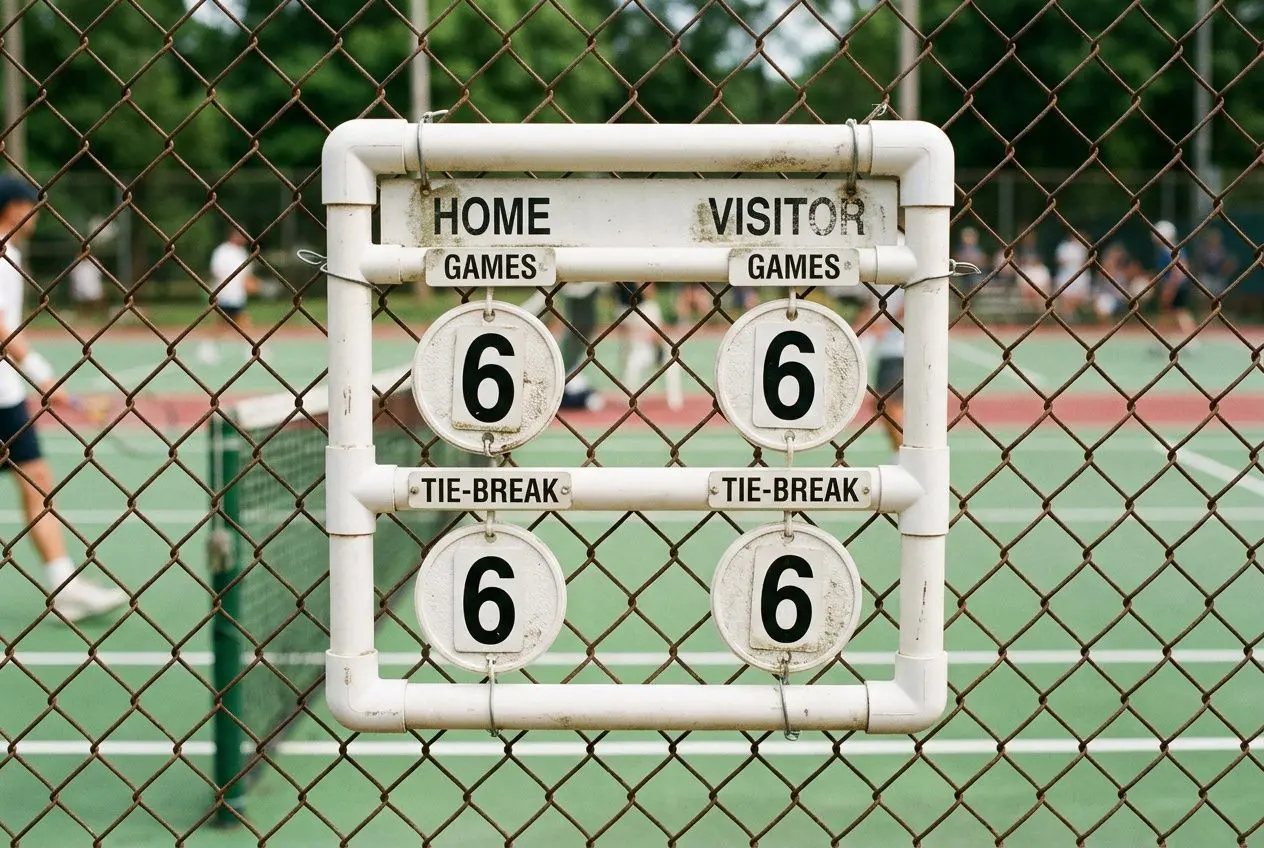
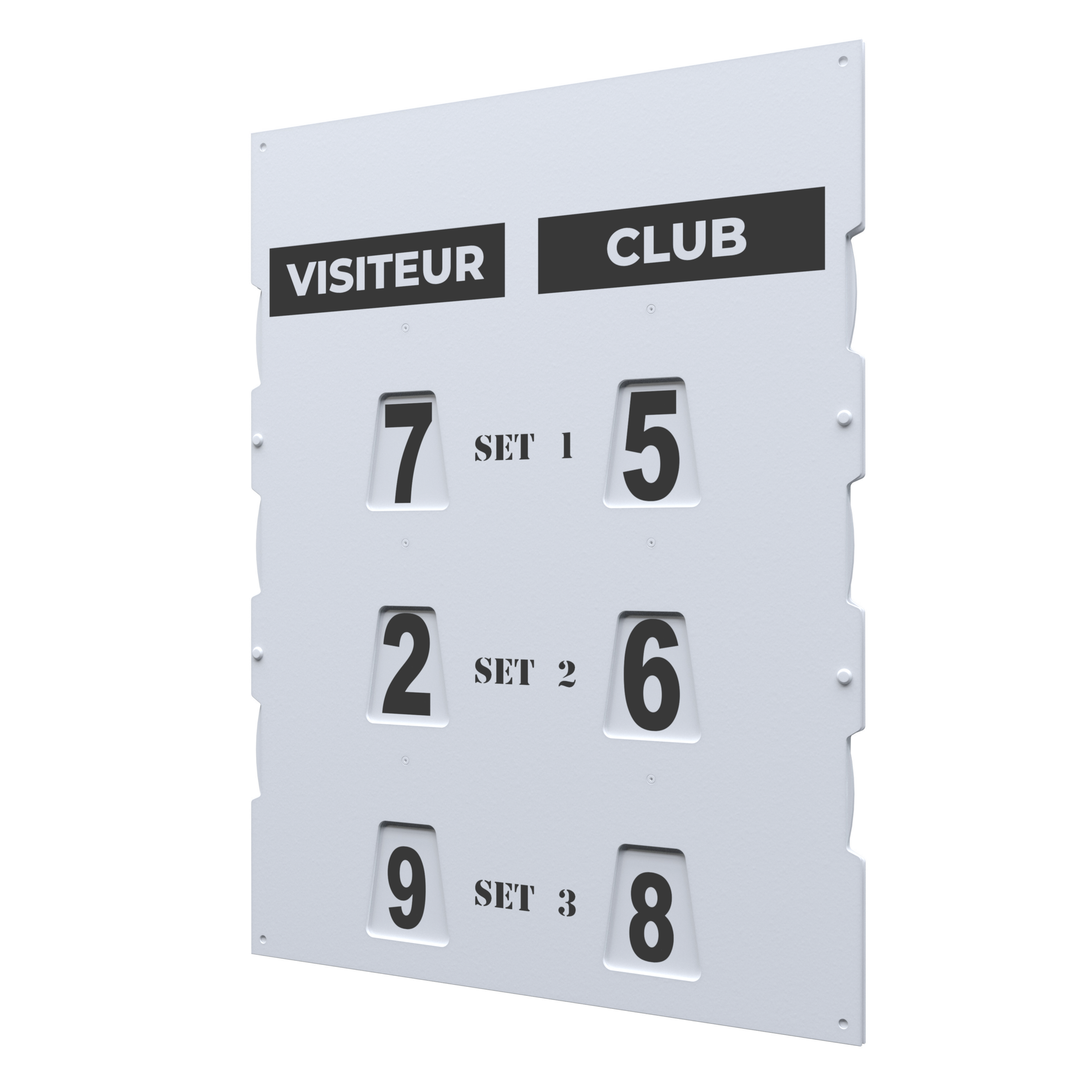
The tennis scoring guide shows how points build into games, games into sets, and sets into a match, which is essential for anyone who wants to follow play and compete with confidence.
What to expect from structured beginner tennis lessons
Once the fundamentals are in place, a clear lesson format helps everything settle. A typical six-week course moves from basic rallying in week one to volleys and shot development in week two, court positioning in week three, scoring and serving in week four, doubles patterns in week five, and match play in week six.
The difference comes down to how modern coaching is sequenced. Good coaching usually teaches ball judgement and positioning before refined stroke mechanics, because those skills hold up better under real pressure and transfer more naturally into matches.
Early sessions often begin close to the net on the same side, then extend gradually towards the baseline. That progression gives players more chances to hit the ball cleanly, build rhythm and start with control rather than force.
Practice tips to help you play tennis with confidence
That same principle applies outside formal tennis lessons. Consistency matters more than power at the start, whether the practice comes from wall drills, mini tennis, or rallies with players of different standards.
Mini tennis is especially useful because it creates more contact points in less space. On court, that means more chances to read the bounce, move into position and hit the ball with balance.
As practice volume increases, physical preparation becomes part of the process. A proper warm-up before each lesson and stretching afterwards help reduce injury risk, while some forearm fatigue or delayed soreness is a normal early response as new skills develop.
The sport builds endurance, agility and focus; the tennis club membership guide sets out the specific criteria, facilities, coaching provision and community, worth weighing before joining.
Frequently asked questions
What do I need to start playing tennis as a complete beginner?
To start playing tennis, very little is needed: a tennis racket or racquet, plus a tennis ball. For tennis for beginners, a larger head size of 95 to 110 square inches makes hitting balls cleaner and more forgiving.
Comfort matters more than specialist kit. Standard sports clothing and trainers with non-marking soles are enough, and many venues offering tennis lessons or a first lesson provide loan equipment, so there is no need to buy everything at the start. Once regular play begins, the correct grip size helps reduce forearm fatigue and improves comfort on court.
How quickly can an adult beginner expect to improve at tennis?
Progress usually comes quite quickly. In adult tennis, beginners who join a structured tennis class or regular tennis classes and practise once or twice a week often see clear improvement within six weeks.
A typical block of beginner tennis lessons covers rallying, serving, scoring, and simple match play by the final session. In practice, most tennis tips for beginners point to steady attendance and repetition as the real driver of progress, while a good tennis coach will focus early coaching on control, timing, and core skills rather than power.
Where can I find beginner tennis classes and local coaching near me?
Local tennis clubs, leisure centres, and public parks are usually the most practical places to learn tennis, play tennis, and find beginner tennis sessions close to home.
Many venues offer open days, flexible pricing, and a clear route into a tennis class. Programmes led by qualified tennis coaches usually cover essential rules, technical development, and confidence on the tennis court, which makes them the right choice when a beginner wants structure from the outset.