
Table of Contents
This article answers how young to start tennis lessons, from toddler parent-child sessions to structured junior tennis programmes, so parents can judge the ideal age with more confidence. It explains the beginner format that suits each stage, including beginner tennis lessons, and sets out what matters in a good coach, suitable equipment, and realistic expectations when a child starts tennis lessons.
What is the best age to start tennis lessons
The ideal age to start tennis depends more on coordination, attention span, and genuine interest than on chronology alone.
For most children, the ideal age to start structured sessions sits within a window rather than on a fixed date: often between 5 and 7. The right time to start tennis is the moment a child can follow simple instructions and enjoy the experience without pressure.
Can a 2 or 3 year old start a tennis lesson?
That wider window matters most at the youngest ages. Some venues do welcome toddlers into parent-child sessions from age 2 or 3.
These classes focus on movement, balance, and simple ball-handling in a playful setting, often with foam balls and mini tennis equipment rather than technical instruction.
At 3, the aim is familiarity. On court, that means positive contact with the racquet, basic game awareness, and enjoyment of the space, not polished technique or long periods of concentration.
Why ages 5–7 are the sweet spot for starting
Once that foundation is understood, the difference comes down to readiness for structure. For many children, ages 5 to 7 represent the ideal age to start tennis in a more organised way.
By then, most can follow a coach-led activity, manage simple movement patterns, and begin to rally in basic form. This is often the best time to start tennis lessons because hand-eye coordination and concentration have usually caught up with the demands of a proper junior tennis group.
By age 6, children can often understand grip awareness, court movement, and simple rules. For families looking ahead to junior tennis competition in the UK, which commonly begins around age 8, starting at 6 leaves useful preparation time without forcing development.
Signs your child is ready regardless of age
The ideal age to start is whichever point a child shows the basic tools to enjoy and absorb a tennis lesson.
- Motor coordination: the child can catch and throw a ball with some consistency, which supports early racquet and ball control.
- Attention span: focus for around 20 to 30 minutes helps the child stay engaged and follow guidance without frustration.
- Genuine interest: motivation comes from the child, not only from the parent, whether that means asking about the sport or showing excitement near a court.
From that point, a single trial session is usually more useful than any checklist about the ideal age to start tennis or how young to start tennis lessons. A good coach can assess whether the child is ready to start tennis now or would benefit from waiting.
How each age group progresses through a tennis lesson
Structured programmes adjust session length, court size, and equipment to suit each stage of development. An age-appropriate tennis lesson matches the physical and cognitive demands of the session to what a child can genuinely process and enjoy, rather than shrinking an adult format for younger bodies.
Baby and mini tennis lesson formats for under-7s
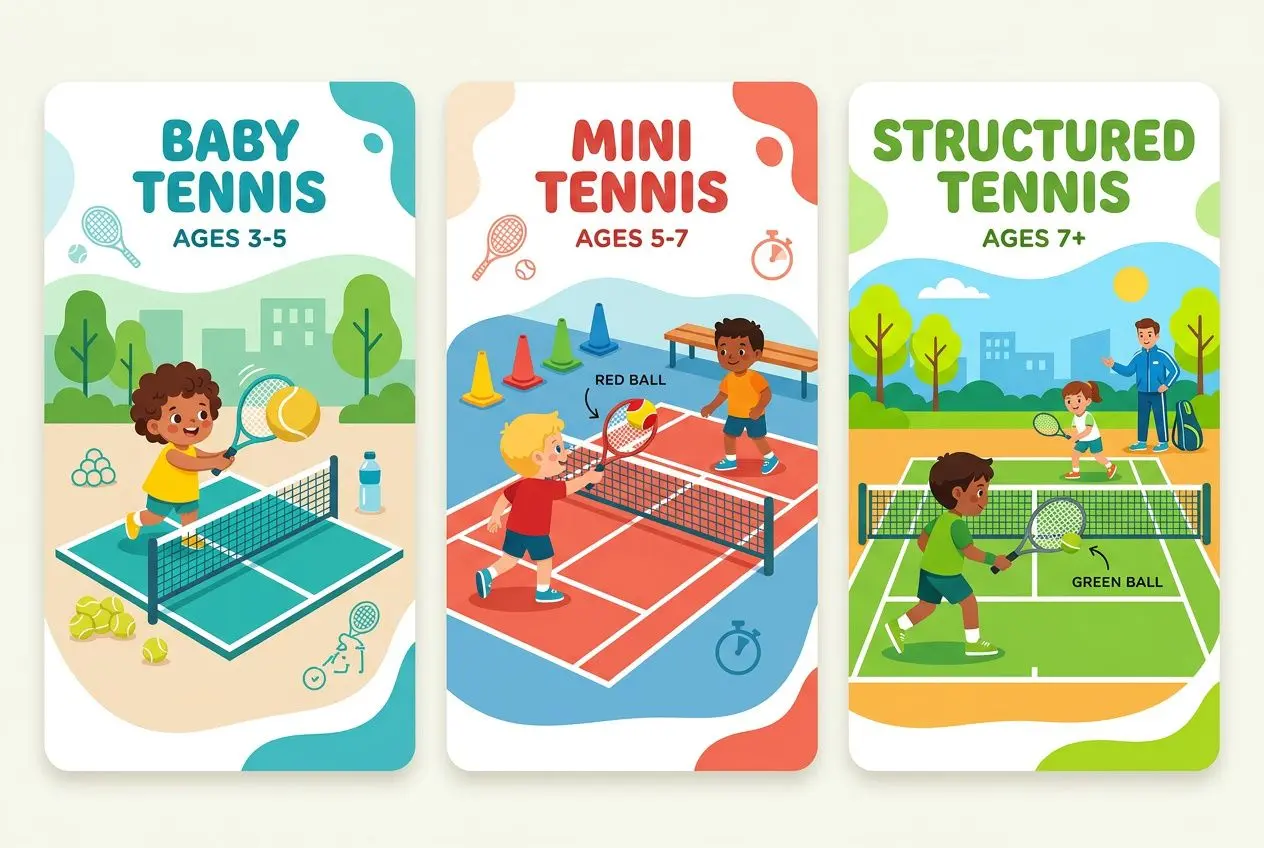
A tennis lesson for under-7s looks very different from a standard club session, because early learning in youth tennis depends more on movement, attention span, and confidence than on formal stroke production.
- Baby tennis (ages 3–5): Foam balls, small courts, 30–45 minute sessions built around movement games that develop balance, hand-eye coordination, and motor skills without formal technique.
- Red ball stage (ages 5–7): Reduced court, balls travelling 75% slower than standard, introducing grip awareness, forehand, backhand, and basic serving concepts in one-hour sessions.
- Orange ball stage (ages 7–9): Mid-size court, balls at 50% standard speed, adding volleys, smashes, and more deliberate footwork patterns as concentration improves.
- Green and yellow ball stages (ages 9+): Transition to full-court play with balls approaching and then reaching standard speed, aligned with access to youth tennis tournaments.
From around age 7, the format expands. Young players begin covering more court, learning the full range of baseline shots, and picking up basic tactical awareness as mini tennis progression leads towards full-court play.
Choosing the right equipment for young beginners
The right racquet and ball support mini tennis progression, while an oversized or heavy frame can tire young players quickly and make a tennis lesson harder than it needs to be.
Racquet fit should be based on height rather than age: when the racquet is held at arm’s length, the head should sit about 5 cm from the ground. Lightweight aluminium frames are the practical starting point, because they reduce strain and let children swing freely without compensating with poor habits.
The ball system works in exactly the same way. Slower, lighter balls give children time to move into position, organise their swing, and protect technique as pressure increases; the difference comes down to better timing and steadier confidence.
| Child’s height | Racquet size (inches) | Ball type |
| Under 1 m | 17–19 in | Foam ball |
| 1 m – 1.15 m | 21–23 in | Red ball (75% slower) |
| 1.15 m – 1.35 m | 23–25 in | Orange ball (50% slower) |
| 1.35 m – 1.50 m | 25–26 in | Green ball (25% slower) |
| Over 1.50 m | 26–27 in | Standard yellow ball |
Most clubs lend racquets and balls at beginner sessions. As a result, families can try kids tennis lessons before buying equipment, with cushioned tennis shoes and comfortable clothing usually enough at the start.
Finding the right tennis lesson and club near you
With the format and equipment understood, the next step is choosing a suitable venue. Local leisure centres, parks, and LTA-accredited coaches regularly run tennis lessons for kids, often through open days or weekend tasters that make lessons easier to assess before committing to a longer block.
They give younger children a low-pressure introduction to youth tennis, while helping parents see whether the coaching style, group size, and setting suit their child.
By contrast, holiday camps offer a more immersive option: around two hours a day across a week, combining regular practice with social interaction. Holiday camps suit the stage when interest is still forming, and these kids tennis lessons often turn casual enthusiasm into regular attendance.
Key benefits and fundamentals of an early tennis lesson
Tennis classes can improve coordination, social development, and mental discipline at the same time, with gains that carry well beyond the court and grow through regular practice.
Core skills taught in a beginner tennis lesson
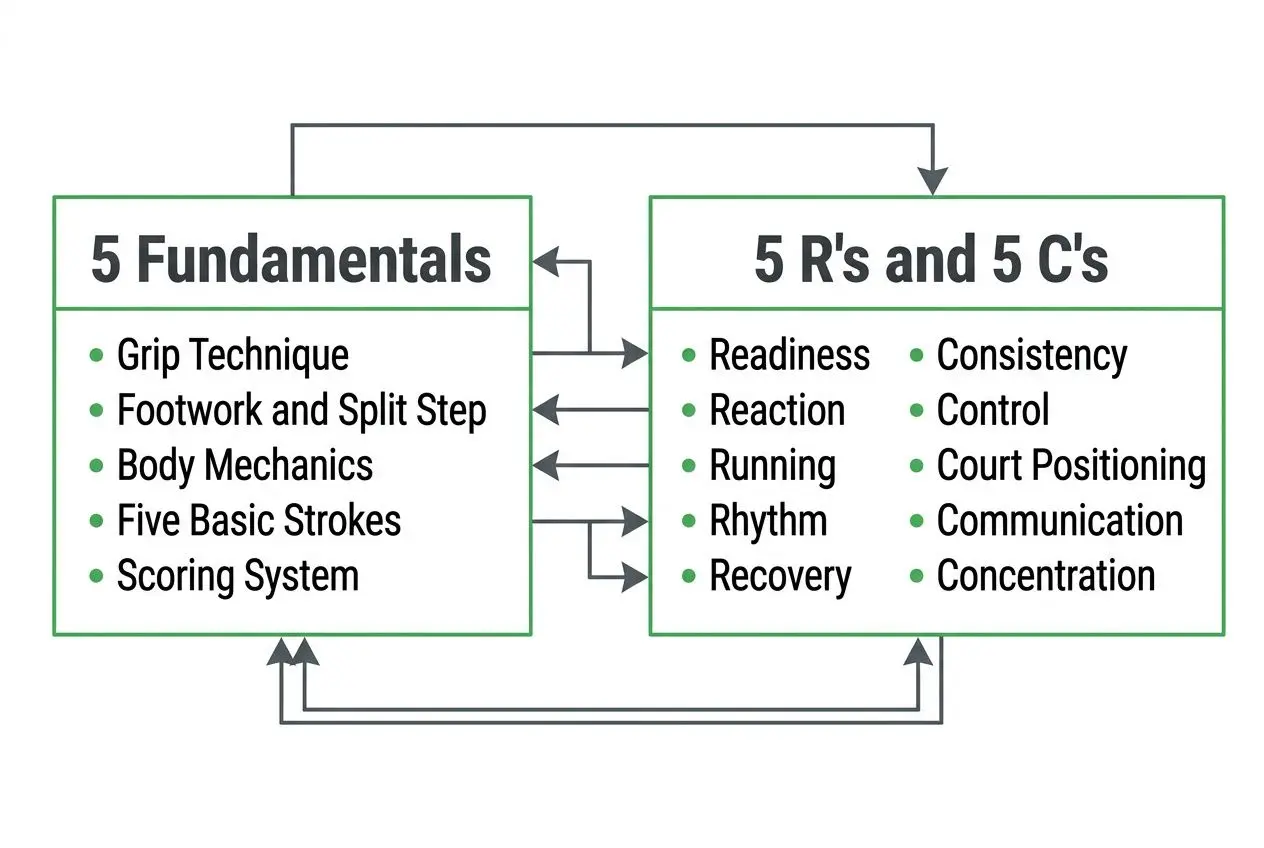
A beginner tennis lesson usually centres on connected skills rather than isolated drills. At Tennis Scorer, the tennis lesson fundamentals are taught as a whole: movement supports stroke mechanics, and better movement makes decision-making easier once a child can begin playing with more confidence.
- Grip and stroke technique: The eastern forehand grip is a common starting point, close to the feel of a relaxed handshake. From there, the five basic strokes are introduced progressively: serve, forehand, backhand, volley, and overhead.
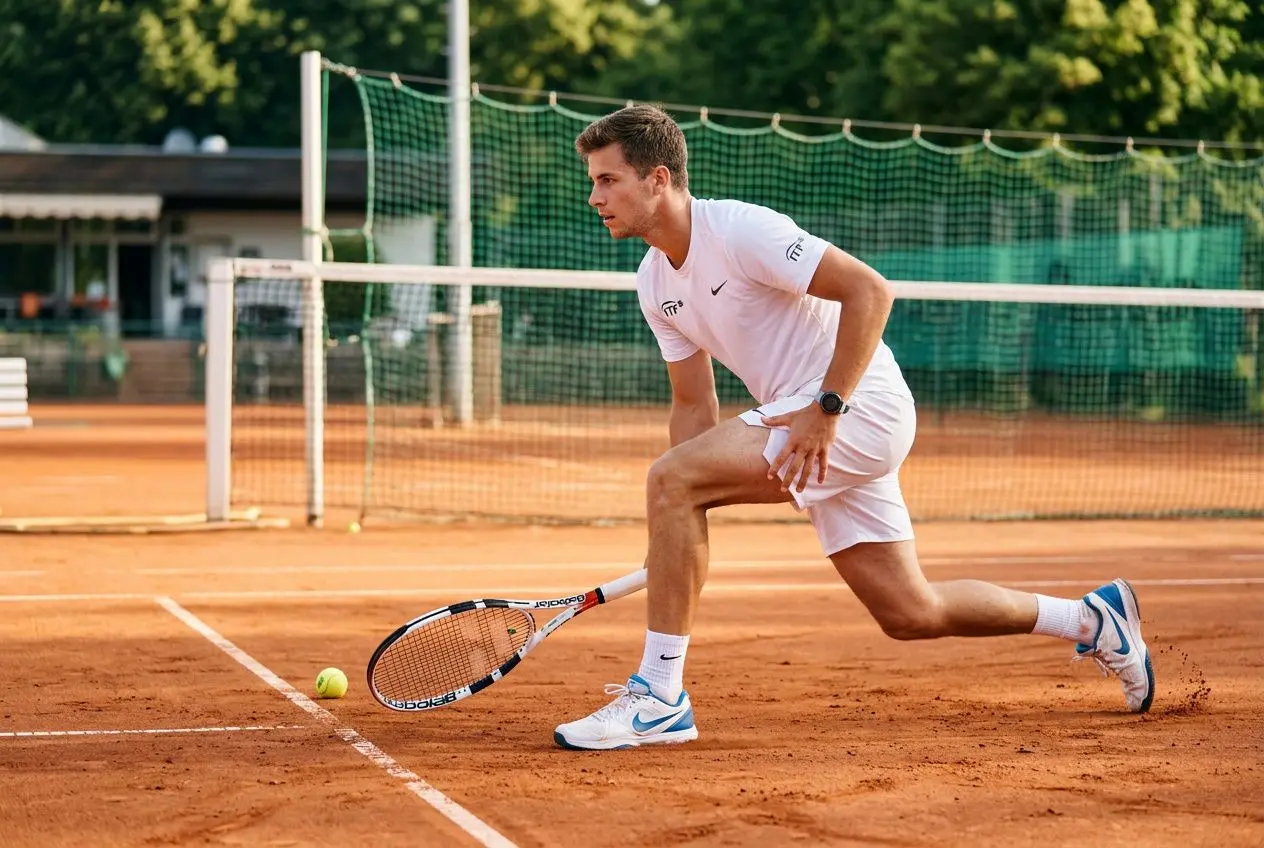
- Footwork and the split step: The split step starts each movement sequence and is timed to the opponent’s contact. Two-phase footwork then carries the player to the ball, before smaller adjustment steps allow a balanced arrival.
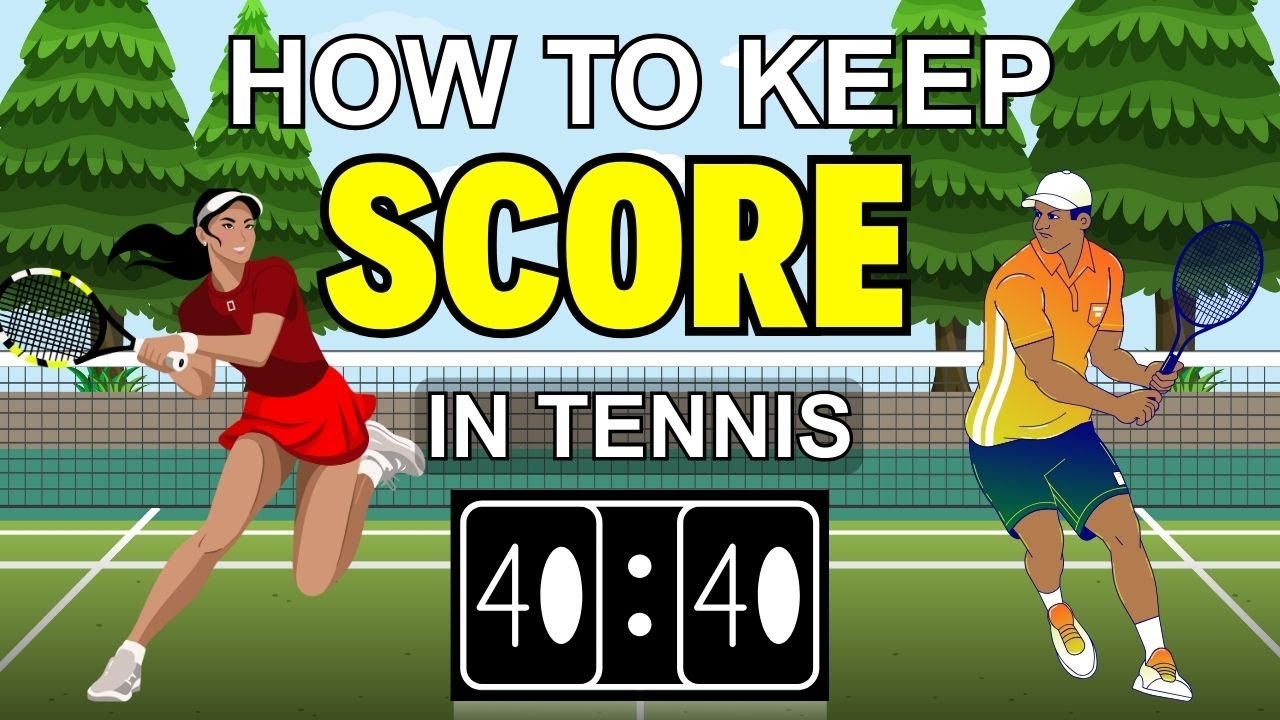
- Scoring and match awareness: Points, games, sets, and match formats give rallies purpose. As a result, young players can begin playing competitive points earlier and understand what each shot is trying to achieve.
The tennis fundamentals framework adds two practical layers. The 5 R’s frame movement between shots: Readiness, Reaction, Running, Rhythm, Recovery. Once basic strokes become dependable, the 5 C’s, Consistency, Control, Court positioning, Communication, Concentration, address the tactical and mental layer.
That foundation shapes how a good coach builds sessions. In practice, ball judgement and positioning come before fine technical correction, because skills learned in realistic situations hold up better under match pressure than technique developed in isolation.
Physical and social benefits of starting young
That approach also explains why early lessons can support more than stroke production. Research on youth sport consistently links early racquet-sport practice to measurable gains in executive function as well as physical output.
- Physical conditioning: Tennis develops speed, agility, reflexes, and whole-body muscle tone, with progress beginning from the first tennis classes.
- Social development: Training with others encourages respect, interaction, and confidence outside the family circle.
- Discipline and perseverance: Regular attendance teaches patience and sustained effort, qualities that often transfer to school and everyday routines.
- Concentration and pressure management: Following the ball onto the strings and recovering towards the centre after each shot strengthens focus over time.
Those gains tend to build through routine rather than volume. One or two sessions a week can help a child begin playing tennis at a comfortable pace, and structured six-week courses often produce visible progress when attendance is regular and the tennis lesson matches the child’s stage.
How to keep early tennis lessons fun and pressure-free
Because progress depends so much on atmosphere, the age for children to begin playing tennis is less important than the setting in which they start. A calm, personalised setting that respects the child’s pace, and avoids both psychological pressure and physical overload, matters more than the exact age at which lessons begin.
Once that setting is established, support around the session becomes easier to judge. Parents support development best through encouragement, observation, and flexibility, while a good coach adjusts the session to the child’s energy and readiness instead of forcing a rigid timetable.
Frequently asked questions
What is the best age to start tennis lessons for a child?
Most specialists place the ideal age to start between 5 and 7. At that stage, children usually have enough coordination, attention span, and basic understanding of rules to learn tennis in a structured tennis lesson setting.
That remains a guide, not a rule. Some children can start playing through playful sessions from age 3, while others begin playing tennis more seriously at 8 or 9 and are not at a disadvantage.
Can a 3 year old begin playing tennis?
Yes, with the right format. At 3, most children are not ready to start tennis lessons in a formal way, but many clubs offer parent-child tennis classes built around movement, balance, and simple ball awareness.
The focus is to begin playing through games rather than technical correction, so a child can build familiarity with the game and enjoy junior tennis without being pushed into stroke mechanics too soon.
How often should a young child attend tennis classes to improve?
For beginners in junior tennis, one or two sessions a week is usually enough. Consistency is what matters most: regular tennis classes give a child time to absorb new skills between sessions without physical or mental overload.
From that point, steady attendance matters more than intensity. A structured six-week beginner course often leads to clear progress, and the age to start tennis is usually less important than how regularly a child can start playing and keep returning with genuine interest.
What is the age to start playing if a child wants to learn later?
A child can begin playing tennis later than the ideal age and still progress well, especially if the programme suits their confidence, coordination, and motivation to start playing.
As a result, the age to start playing should be judged individually. For many families, the best moment to start tennis lessons is not the earliest possible age, but the point at which a child is ready to engage, enjoy a tennis lesson, and keep learning over time.