
This guide compares available manual scoreboard options across sports, formats, and price points, helping clubs, schools, and venues identify the right solution for their specific requirements.
What types of manual scoreboard are available
Manual scoreboards cover a broad range of sports and settings. From compact fence-mounted units for racquet courts to larger displays for open grounds, the right choice starts with the format and the way the venue is used.
Traditional and sport-specific manual scoreboard formats
Across every design, the principle stays the same: scores are updated by hand using rotating discs, painted panels, or flip elements, with no power supply required. The sport, the information that must be shown, and whether the board will stay in one place all determine the appropriate format.
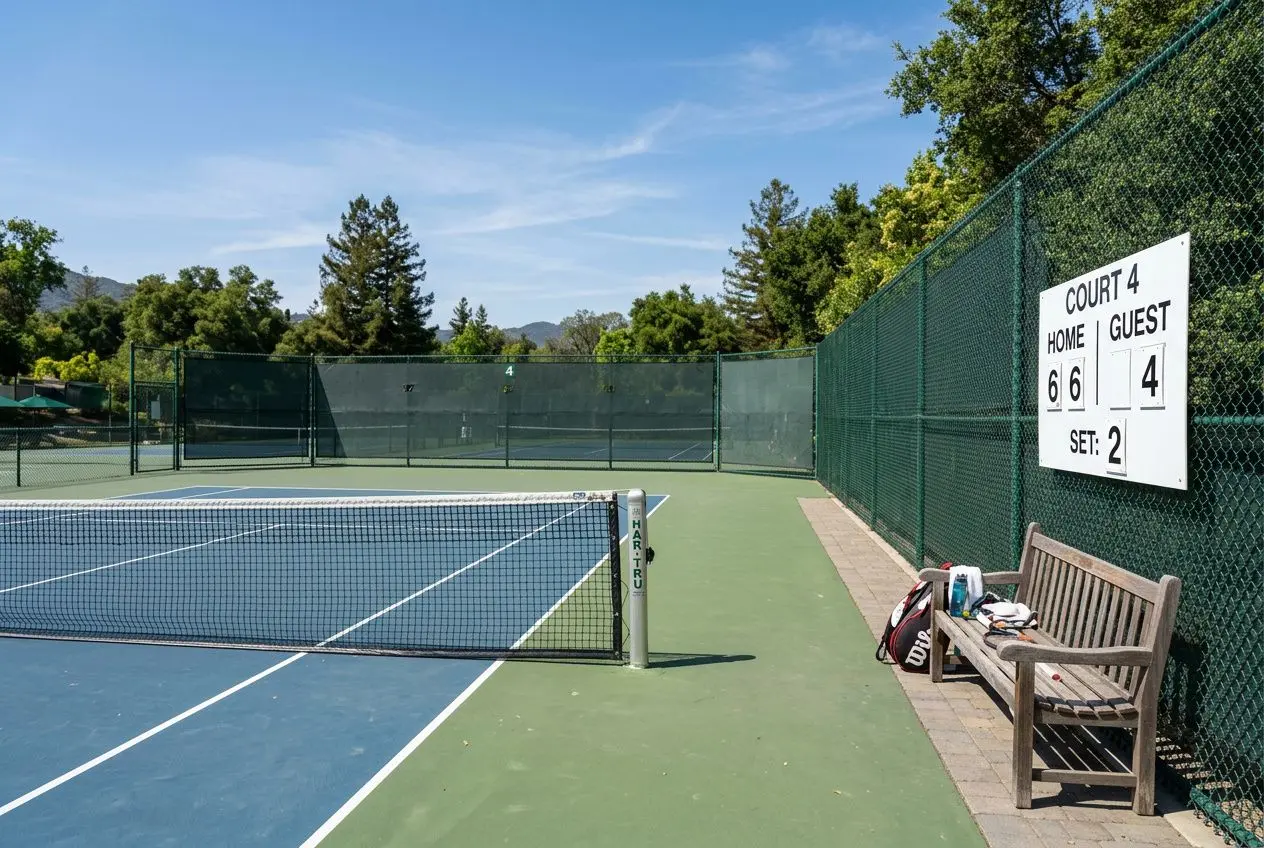
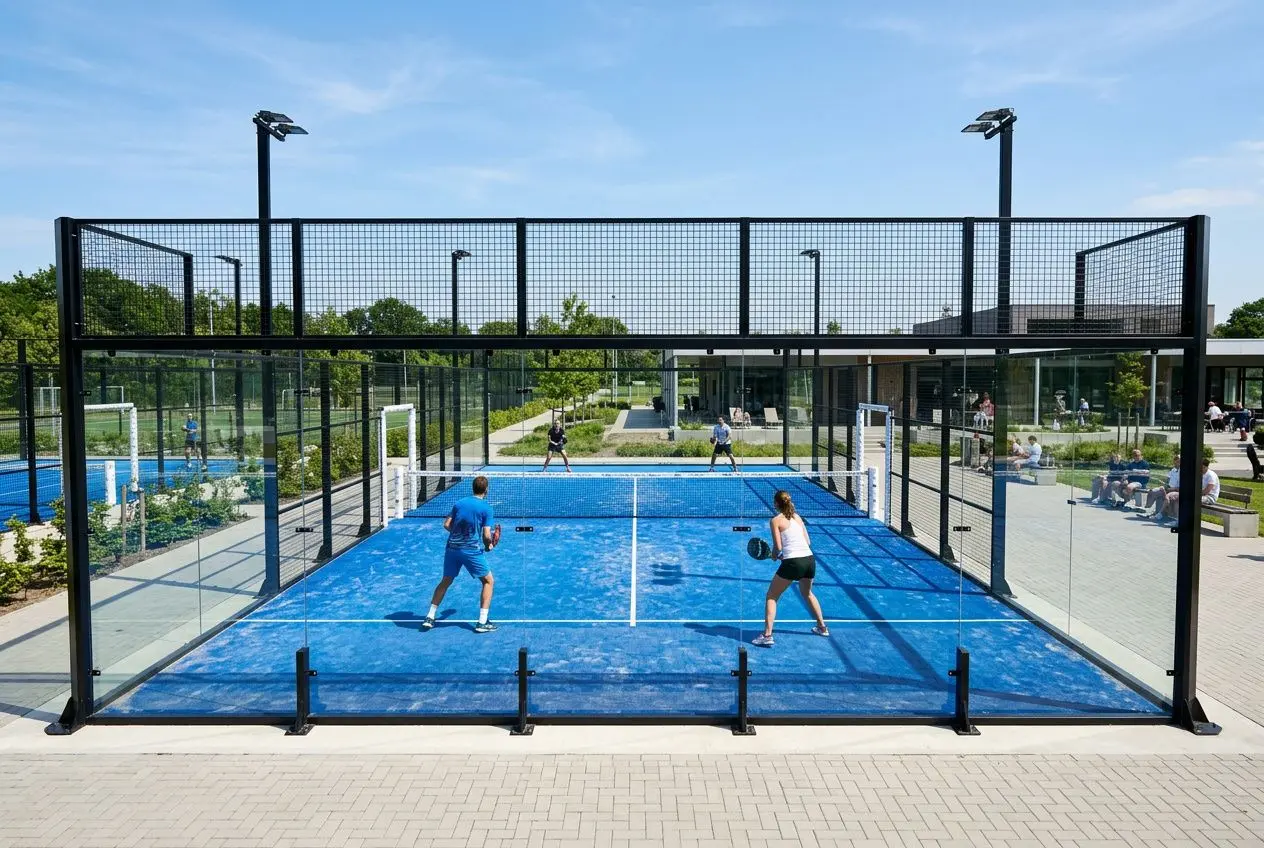
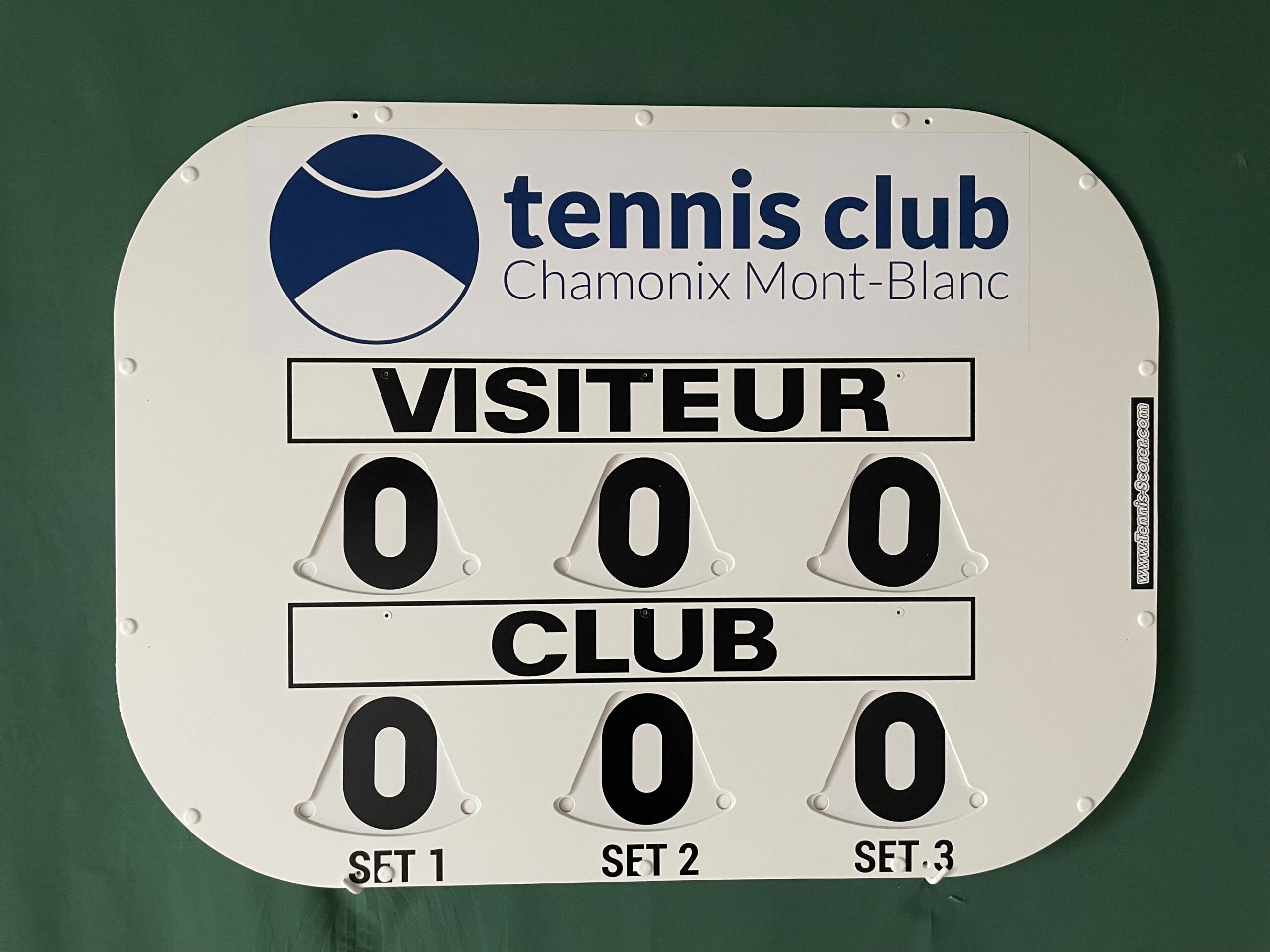
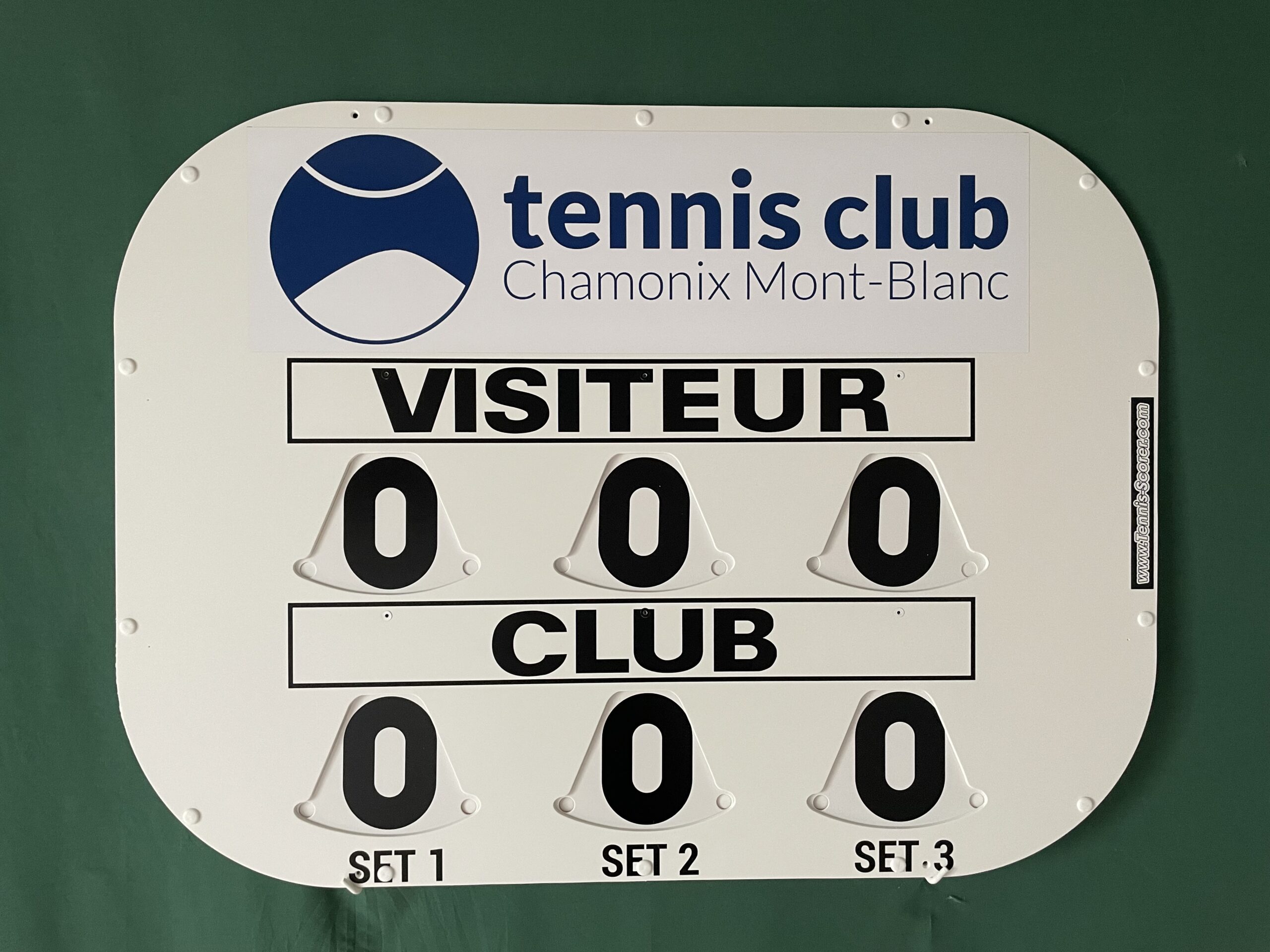
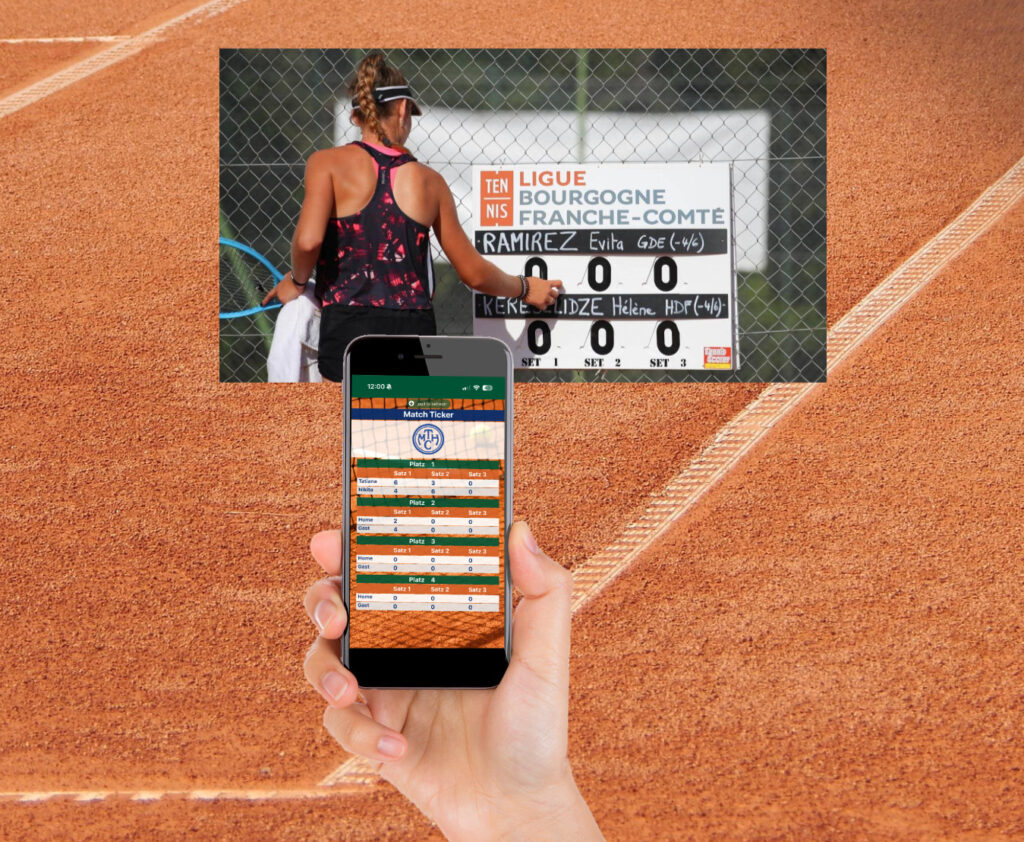
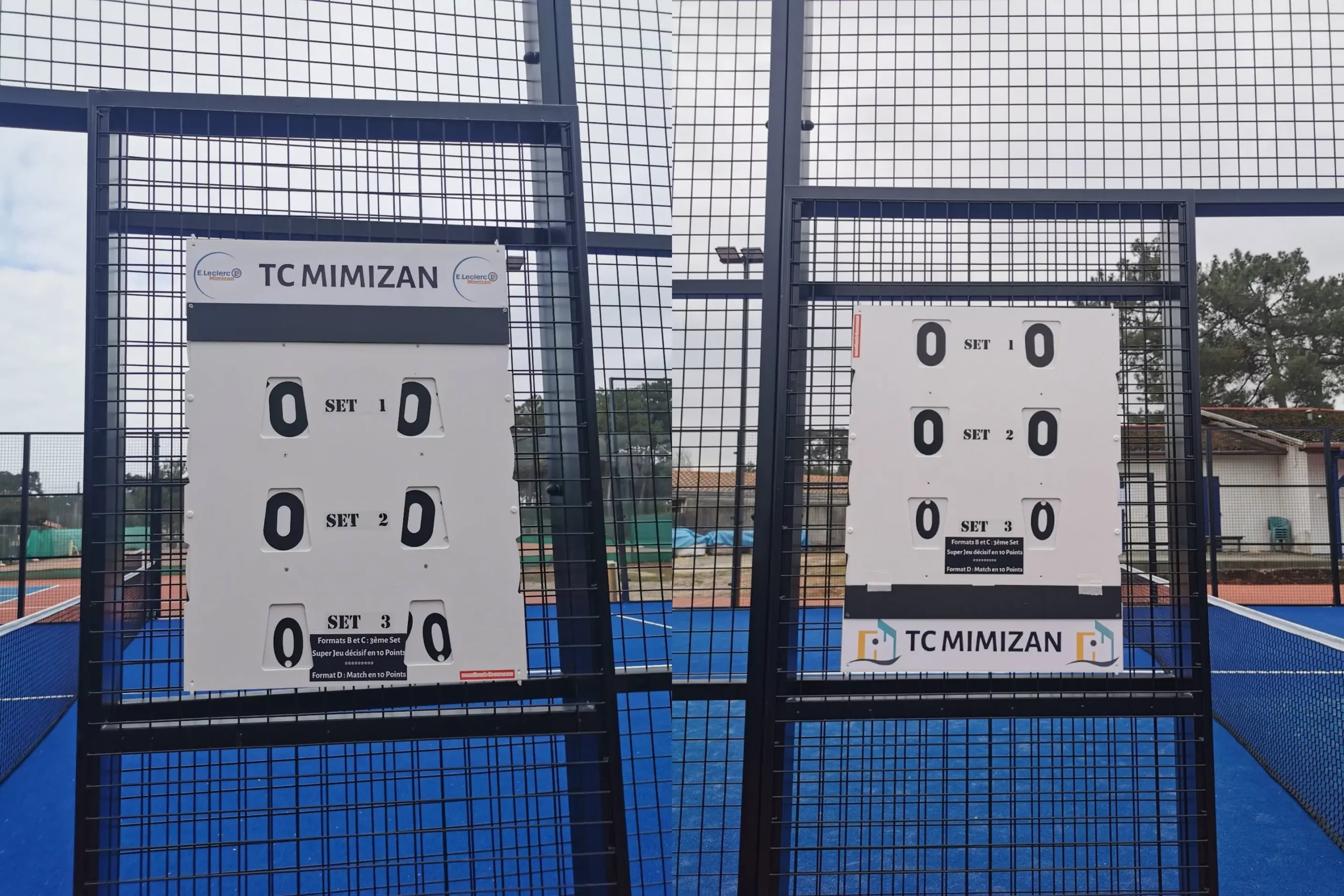
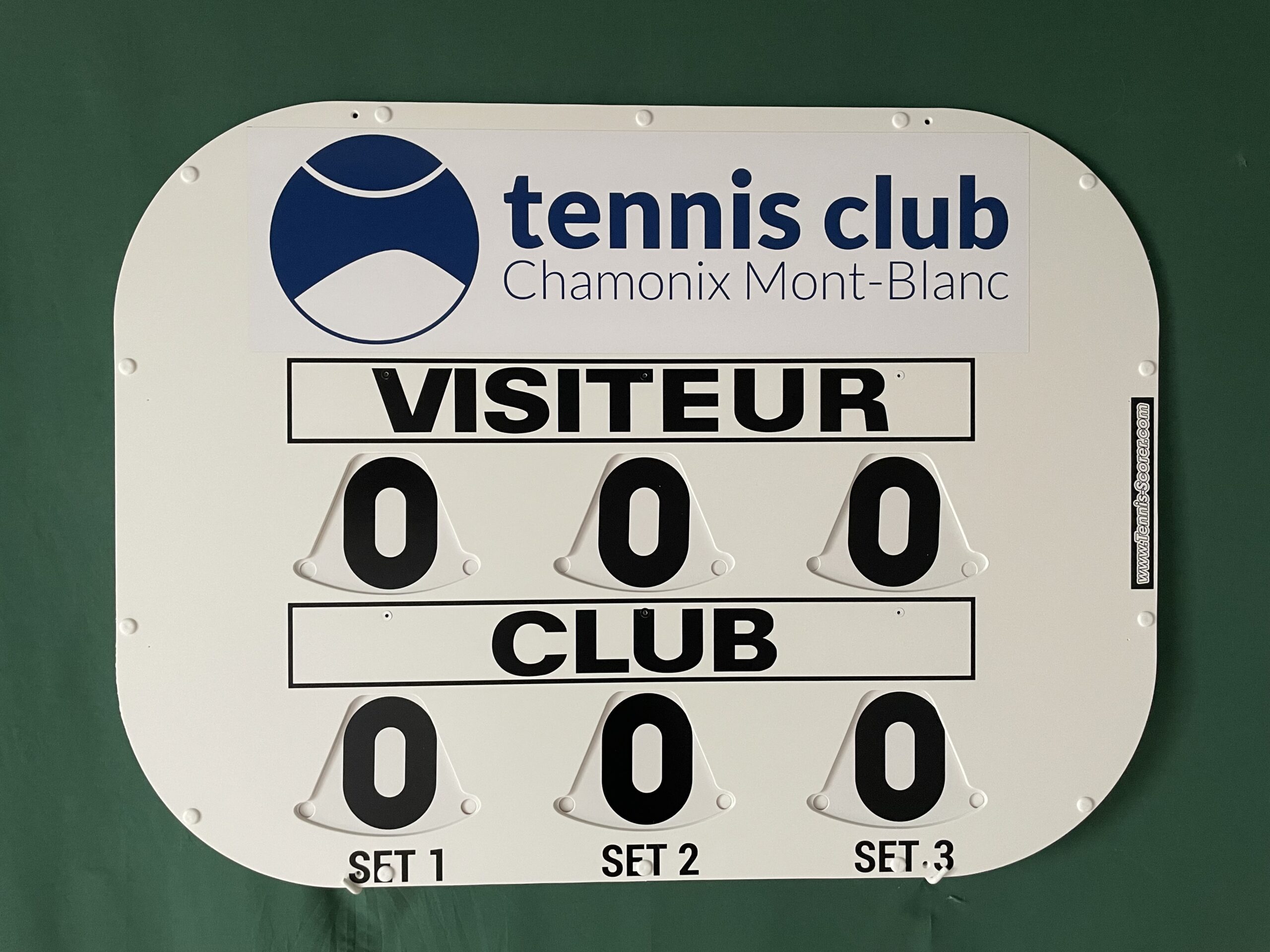
- Tennis and padel boards: Compact fence-mounted models with rotating discs, showing scores from 00 to 99 across three sets and supporting tie-break and super tie-break play.
- Manual cricket scoreboard: Larger units, typically around 124 cm wide by 42 cm tall, displaying Total, Wickets, Overs, and Target with 8-inch (200 mm) high scoreboard digits; specialist DLS versions are available for certain match formats.
- Rugby scoreboard and hockey scoreboard: Usually built as panel-based or flip-digit displays for pitch-side mounting or freestanding A-frame use, depending on the level of competition and the layout of the venue.
- Portable scoreboard models: Lightweight freestanding and A-frame designs with integrated carry handles, allowing quick movement between courts or pitches and making them well suited to schools and multi-use sites.
That mechanical approach has a long history. Historic baseball venues such as Fenway Park and Wrigley Field still rely on manual scoreboards with staff changing metal plates by hand.
How to choose the right manual scoreboard for your venue
That reliability makes selection more practical than technical. Venue size, sport, and level of play should decide the format first: a dedicated racquet-sport board offers set-by-set scoring and tie-break support, while a cricket scoreboard needs space for totals, wickets, overs, and target information.
Once the display format is clear, portability and storage become the next filter. A 2 kg fence-mounted unit suits a fixed court installation, whereas a folding board used with other cricket equipment is easier to store between matches; the result is fewer compromises and no spend on features the venue will not use.
Best manual scoreboard features to look for
Choosing the best manual scoreboard starts with material durability, digit clarity, and meaningful customisation options. The difference comes down to how well each feature matches the venue, the sport, and the viewing distance over time.
Durability and weather resistance in a manual scoreboard
That fit matters most outdoors. A dependable manual scoreboard is made from rot-proof, unalterable white PVC, with upper and lower edges counter-glued to improve watertightness and rigidity: a specification designed for repeated use in exposed conditions.
Once installed, longevity becomes the real test. Tennis Scorer has produced boards to this standard since the early 1990s, and units first sold in 1994 are still in service today; the range has equipped nearly 3,000 clubs and 16,000 courts across Europe and the USA, built to last through full seasons rather than a short replacement cycle.
Visibility, readability and display specifications
Scoreboard digits need to stay clear in bright sunlight, from playing distance, and from the side of the court, so the score remains readable throughout a match.
In practice, a manual scoreboard with figures 10 cm high and 2 cm wide remains readable from more than 50 metres. For tennis and similar court sports, that size gives players, officials, and spectators a reliable view without making the board cumbersome.
By contrast, a cricket scoreboard is usually read from farther away. Manual cricket scoreboard digits commonly reach 200 mm in height, and some models go up to 12 inches to suit broader sightlines across the ground.
Customisation, branding and accessory options
Once visibility is covered, presentation adds practical value. Clubs often need a manual scoreboard that identifies competitors clearly while also supporting sponsors, court numbering, or site branding.
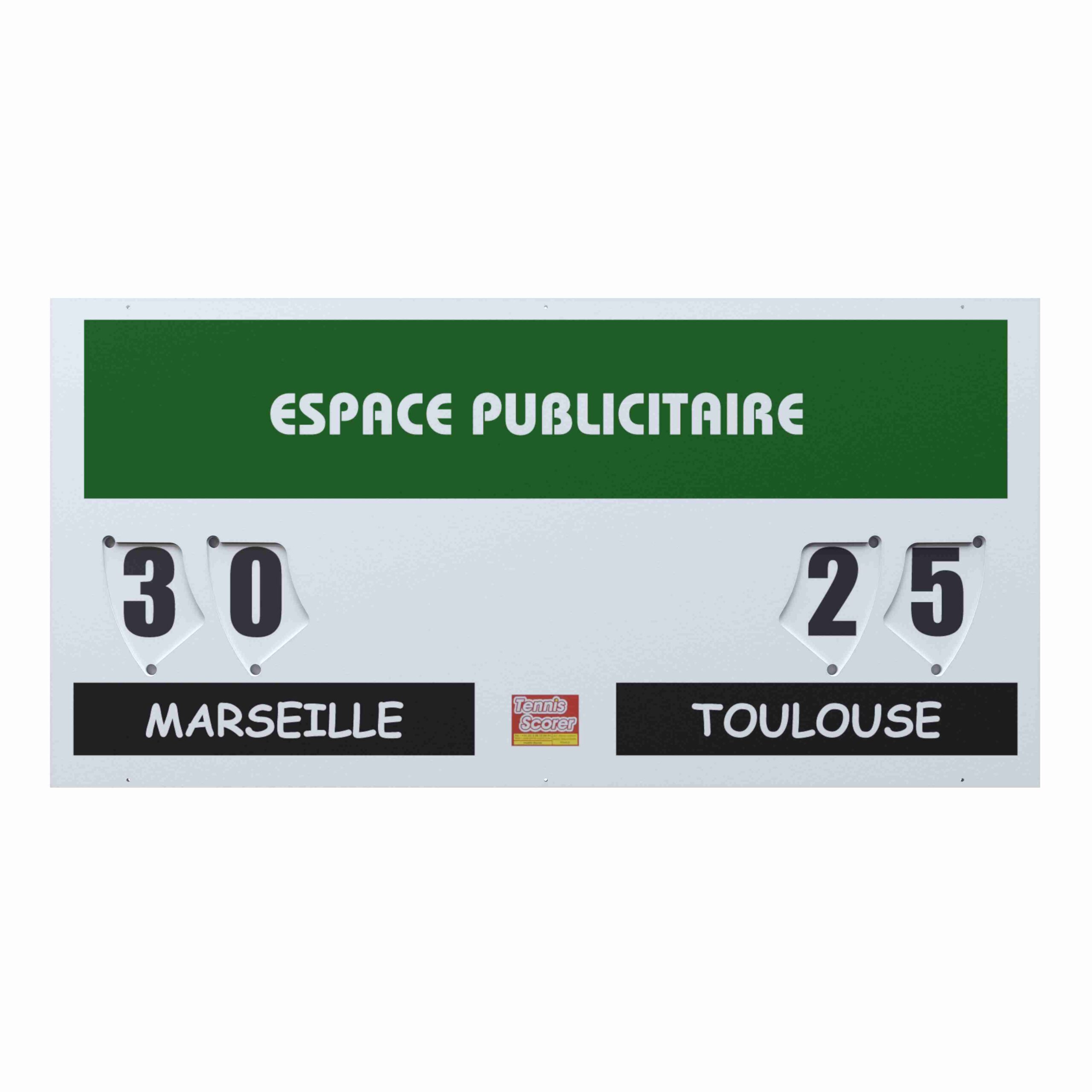
- Slate name plates: Two plates are included for player or team names and rankings, written with chalk or chalk pen for quick updates during play.
- Advertising strip: A 56 × 17 cm area is provided for sponsor logos, club branding, or court numbers, with free advertising adhesive supplied.
- Free personalisation: Available across every board from Tennis Scorer, giving each manual scoreboard a court-specific identity without extra cost.
- Replacement manual scoreboard digits: Available separately for most ranges, making maintenance simpler and extending the life of the board.
A compact manual scoreboard measures 60 × 60 cm, weighs 2 kg, includes four serflex cable ties for fence mounting, and comes with a 3-year warranty: all components are supplied from the outset.
A board designed for maintenance over replacement, whether for tennis or cricket, answers the need for reliability, readable digits, and low ongoing costs.
Where to find a manual scoreboard for sale
Manual scoreboards for sale range from compact 2 kg court models to full-size configurations for larger grounds and cricket equipment.
Portable and permanent manual scoreboard options
A portable scoreboard with carry handles and low weight suits schools and clubs managing several pitches, because the same unit can be hung on fencing or set up freestanding without extra hardware.
By contrast, regularly moving equipment puts wear on corners, fixings, and faces. A protective carry case helps preserve the board over time, especially when it travels between venues throughout the season.
What to check before buying a manual scoreboard for sale
Before buying, verify visibility distance, weather resistance, and the full contents of the listed price: each point can shift the real cost significantly.
The difference comes down to total cost as much as headline price. A board that seems affordable can become expensive once mounting hardware, name plates, or branding options are added separately.
- Visibility distance: for court sports, digits should be readable from at least 50 metres; for larger grounds and some cricket equipment applications, readability may need to reach 250 metres.
- Warranty and longevity evidence: a 3-year warranty and proven long-term use, including units still in service after 30 years, offer stronger reassurance than unwarranted alternatives.
- Complete package: confirm whether mounting hardware, name plates, and advertising adhesive are supplied; installation delay from sourcing missing items can exceed the cost difference itself.
The manual tennis scoreboard designed for decisive games is a practical option when format accuracy matters. It covers three sets, tie-break to 7 points, and super tie-break to 10 points, with rotating discs showing scores from 00 to 99.
Why choose a specialist manual scoreboard manufacturer
Tennis Scorer produces a manual scoreboard range in France for tennis, padel, beach tennis, and multi-sport use, with custom branding adapted to club requirements.
Once installed, support matters just as much as initial build quality. Replacement digits, custom lettering, and accessories remain available separately, so clubs can update equipment without replacing the whole board.
From that point, the difference comes down to maintenance demands over the full service life: a manual scoreboard requires no power supply, no software updates, and no specialist repair, advantages that compound across a 20- or 30-year lifespan.
Frequently asked questions
What is the difference between a manual and electronic scoreboard?
A manual scoreboard is updated by hand using rotating discs, flip panels, painted boards, or mechanical number plates. It does not require mains power, batteries, or software.
By contrast, an electronic scoreboard uses LED or video displays controlled digitally. The difference comes down to operating needs: a manual scoreboard costs less to buy, uses no power, and is easier to maintain, which is why clubs, schools, and outdoor venues still rely on it where dependable low-cost use matters more than animated graphics.
Does Fenway Park still use a manual scoreboard?
Yes. Fenway Park still operates the original manual scoreboard built into the Green Monster, with staff inside the wall changing metal number plates by hand to show runs, hits, and errors by inning.
That same working method remains in place at Wrigley Field, proof that well-made mechanical boards continue to serve as practical scoring tools for decades, even when modern LED displays are installed alongside them.
Which sports use manual scoreboards most commonly?
Tennis, padel, beach tennis, cricket, rugby, hockey, and baseball all have established traditions of hand-updated scoring.
In practice, formats vary by sport: a manual cricket scoreboard typically shows Total, Wickets, Overs, and Target, and may be wall-mounted or freestanding depending on the ground. Rugby and hockey scoreboards often use flip digits or panel-based displays, while racket-sport boards stay compact enough to track sets, games, and tie-breaks clearly.
Tennis Scorer recognises that simple mechanical systems remain the right choice when affordability, clarity, and independence from any power supply matter most.