
Table of Contents
Most specialists place the best starting age between four and seven, but readiness matters more than a birthday. A young child who can track a moving ball, follow simple instructions, and stay engaged for around thirty minutes is usually ready to start tennis lessons. Tennis Scorer treats that early stage as a matter of fit: calm coaching, suitable court size, and realistic expectations make the difference.
What is the best age to start tennis lessons
Reading your child’s readiness signs
A child who keeps coming back to the idea of a racket and ball over several days is showing more than a passing mood. A trial session at one of the local tennis clubs is often the clearest test, especially before committing to a full block of tennis lessons.
In practice, the useful signs are simple and visible:
- Repeated unprompted interest The child asks to play across multiple days, not just once after seeing tennis elsewhere.
- Physical balance and recovery The child can run, stop, and regain balance comfortably, which supports early coordination on court.
- Short-task focus The child can stay with a structured activity for twenty to thirty minutes without switching off completely.
By four, many children are ready for early ball-tracking and striking tasks. From five to seven, stronger attention and better understanding of simple rules make group tennis lessons for kids more productive. The right choice when judging readiness is to follow development, not the calendar.
How age-appropriate programmes progress
Tennis lessons for kids work best when the format matches the child. That means adjusted court size, slower balls, and session lengths that suit concentration and physical development. The LTA Youth programme and wider LTA Youth tennis pathway are built around that principle, helping young players build coordination before moving on.
The usual tennis programme progression looks like this:
- Baby tennis (ages 3–5) Small courts, very light balls, and sessions of thirty to forty-five minutes focused on movement, play, and coordination.
- Mini tennis red (ages 5–7) A reduced court size with red balls travelling 75% slower than standard, usually over forty-five to sixty minutes.
- Mini tennis orange (ages 7–9) An intermediate court size with orange balls at 50% speed, allowing better rallying and movement patterns.
- Structured tennis (age 7–8 onward) Larger courts with green or yellow balls, introducing the main strokes, serving, volleys, and early points play.
Mini tennis is not a shortcut stage; it is the base for junior tennis, learning sound habits, and long-term progress. Within the LTA Youth structure, that progression helps tennis clubs place children at the right level rather than the fastest one.
Starting frequency and first steps
For most beginners, one or two lessons for kids each week is enough. Regular timing matters more than volume. Habit supports confidence and early development better than occasional intensive bursts. On court, that means a child arrives knowing what the session feels like and what the coaches will ask for.
A typical six-week block follows a clear pattern: early sessions focus on rallying and basic strokes, the middle weeks add movement and first serves, and later sessions introduce simple doubles play and points. Good coaching also brings in the essentials from the start: grip, footwork, scoring, positioning, and how the body works through each shot.
At the beginning, there is rarely any need to buy everything. Many local tennis clubs and junior venues lend equipment for early sessions, including a junior racket, balls, and other basics. Once a child is settled, a suitable racket and simple kit become a sensible next step.
From that point, a structured children tennis lessons course at an LTA-accredited venue gives a clearer pathway. Qualified coaches can place a child within the right youth programme, monitor progress, and adjust coaching as junior tennis develops. For parents exploring junior tennis programmes, that structure is usually the most reliable route to start tennis well.
Once installed, that structure makes early progress easier to manage. The best tennis clubs provide a clear programme, qualified coaches, and equipment suited to the child’s stage, everything needed to make a first session feel manageable rather than overwhelming.
Choosing the right equipment for your child
Getting the equipment right removes an early barrier to enjoyment. For most children’s tennis sessions, only a racket and a ball are needed: no specialist clothing, no expensive kit, and no large upfront spend. As learning tennis becomes more regular, equipment can then match the child’s progress through the LTA Youth programme and weekly coaching.
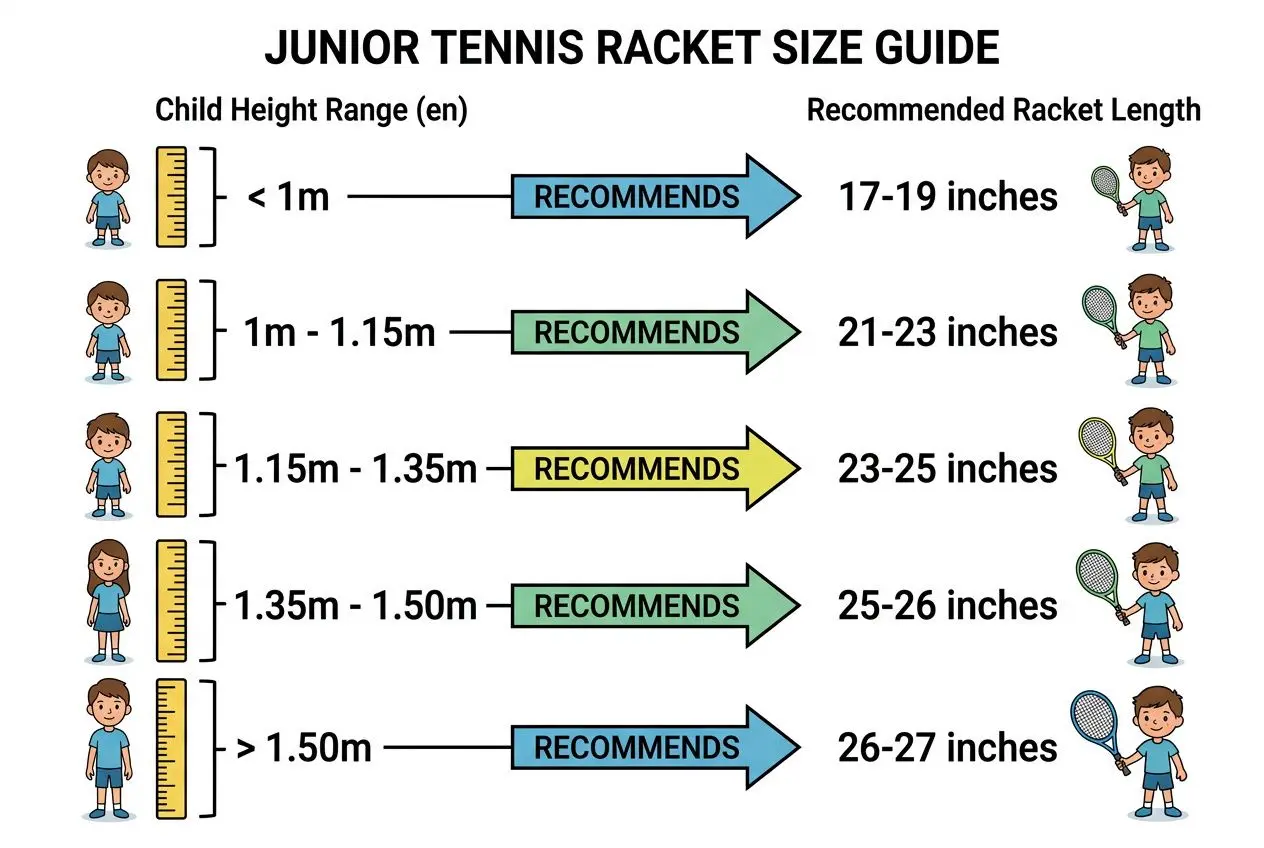
How to size a junior tennis racket correctly
For beginner tennis equipment, racket length matters first. A junior tennis racket that is too long or too short can encourage poor habits from the first lesson and make development harder for young players. A simple check works well in practice: when the child holds the racket by their side, the head should sit roughly 5 cm above the ground.
Head size matters too. Beginners usually benefit from 95 to 110 square inches, because a larger sweet spot makes cleaner contact more likely and helps junior tennis feel rewarding early on. That is often the right choice when children are still deciding whether regular tennis coaching is for them.
- Aluminium construction Recommended for beginners: lightweight, durable, and affordable, making it a sensible starting point before weekly coaching is established.
- Head size 95–110 sq in A larger sweet spot is more forgiving on off-centre strikes, which helps young players keep rallies going.
- Grip size awareness The correct grip size reduces forearm fatigue during regular play; a grip that is too thick or too thin affects both comfort and technique.
- Club loan equipment Many local clubs and leisure centres provide loan rackets and shared ball hoppers, so buying full equipment is rarely necessary at the start.
Tennis Scorer recommends waiting before buying a junior tennis racket, especially if the child is only just starting children’s tennis or the LTA Youth programme. Many coaches also prefer to observe a child’s grip and footwork across a few sessions before recommending a specific racket specification.
| Child’s height | Recommended racket length |
| Under 1 m | 17–19 inches |
| 1 m – 1.15 m | 21–23 inches |
| 1.15 m – 1.35 m | 23–25 inches |
| 1.35 m – 1.50 m | 25–26 inches |
| Over 1.50 m | 26–27 inches |
Which balls and grip to start with
Once the racket is right, the ball becomes just as important. The progressive ball system underpins the youth programme and supports steady development by matching speed to age, ability, and court size. Foam balls suit the very earliest stages. Red balls, 75% slower than standard, are matched to ages five to seven; orange balls run at 50% speed for ages seven to nine; green balls at 25% slower bridge the gap before yellow-ball play.
The same principle applies to grip. The Eastern forehand grip is the usual starting point for beginners because it feels like a relaxed handshake and encourages clean contact without overcomplicating the first stages of learning tennis. A tennis coach will normally reinforce it throughout the LTA Youth stages, where consistent grip technique underpins the structured progression.
As that technical foundation settles, clothing can stay simple. Shorts, tracksuit bottoms, and T-shirts that allow free movement are enough for junior tennis and children’s tennis sessions. The one essential item is proper trainers with non-marking soles: they help prevent slips and support ankles during the side-to-side movement that coaching drills demand.
Finding tennis lessons and the right junior club
Finding tennis lessons usually starts close to home. Local leisure centres, parks, and tennis clubs often run introductory sessions, open days, and weekend tasters that give families a clear sense of what suits the child.
That first visit matters. Before committing to a full course, parents can assess the atmosphere, court quality, and the manner of the tennis coach in person: in practice, one open day often says more than a website or brochure.
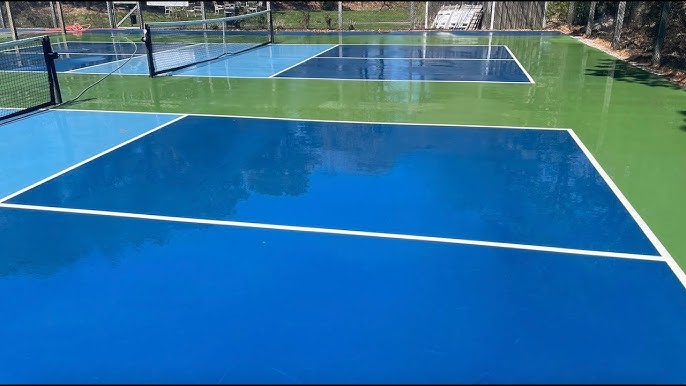
What to look for in a junior tennis club
The right junior tennis club shapes the whole experience, from the standard of the courts to the way coaches handle nervous beginners and support steady progress in youth tennis.
The difference comes down to atmosphere and infrastructure working together. A welcoming reception, patient tennis coaches, and facilities that are properly maintained usually signal a club that takes junior tennis seriously and invests in a structured youth programme, rather than treating children as an add-on to adult play.
- LTA-accredited coaches Check that tennis coaches hold current LTA accreditation and have experience with the child’s age group, not only older juniors.
- Floodlighting and court maintenance Floodlights make evening sessions possible and help tennis lessons continue through the year; regular court checks matter more than a prestigious surface.
- Flexible membership options Clear pricing with junior, family, and month-to-month tiers makes it easier for families to try a club before committing to an annual fee.
- Loan equipment available Access to loan equipment such as racquets and balls shows that beginners are genuinely welcome.
Once installed, good habits form quickly. A prompt follow-up by email or phone often turns interest into membership, and regular attendance at the same session times helps children settle, build familiarity, and feel part of the junior tennis club community.
Supporting a child from the sideline
Keeping a child engaged through those lessons, however, requires a calmer focus from adults at the side of the court.
A common mistake is pushing performance too early. Support works better when it centres on enjoyment and small gains: a longer rally, a serve that landed in, or the confidence to join in, rather than technical corrections that cut across the tennis coach’s session plan.
- Celebrate effort, not outcome Praising attitude and persistence after a difficult session protects motivation more reliably than focusing only on wins or clean shots.
- Avoid sideline instruction Mid-session advice can confuse children and disrupt the structure tennis coaches use when they teach kids tennis.
- Ask open questions after sessions Questions such as “What was the best point?” encourage reflection, while critical questions tend to create tension.
When tennis fits around school, other activities, and realistic family routines, children are more likely to enjoy junior tennis, listen to coaches, and maintain long-term progress.
The same principle applies across tennis clubs and home support alike. Tennis Scorer’s coaching network consistently reinforces the same finding: enjoyment drives development in youth tennis far more reliably than pressure, making patient encouragement the right choice when families are focused on lasting confidence.
Frequently asked questions
What is the best starting age for a child to begin tennis?
The usual starting age for structured tennis lessons for kids sits between four and seven. At that point, most children within that range can track a moving ball, follow simple instructions, and stay engaged for thirty to forty-five minutes.
By contrast, some youth tennis options begin earlier. Baby tennis and entry-level lta youth tennis sessions may accept children from age three, using softer balls, smaller spaces, and scaled equipment suited to early development.
Age still is not the whole picture. Readiness matters more: repeated curiosity about ball-and- racket play, willingness to listen, and basic balance are often better indicators than chronological age alone. In practice, a trial session at one of the local tennis clubs is the clearest way to judge whether the moment is right.
How do I get my child started with tennis lessons for kids?
Start with simple play at home to test genuine interest, then visit tennis clubs in the area or attend an open day to assess the atmosphere and court quality first-hand.
From that point, structure is what determines long-term results. Choose a qualified tennis coach with experience in the relevant age group, ideally through lta youth, and book a beginner block rather than irregular sessions: a six-week course is often the most effective route into tennis lessons and early learning tennis.
One to two sessions a week is usually enough for steady progress. As a result, many children show visible improvement within six weeks of consistent coaching. Most local tennis clubs can also provide starter equipment, so there is no need to buy everything before regular lessons for kids begin.
What are the key fundamentals a child should learn first in tennis coaching?
Once lessons are in place, the focus should stay broad at the start. A sound tennis coaching and tennis programme introduces five essentials together: the Eastern forehand grip, basic footwork patterns, kinetic chain mechanics, tennis scoring, and court positioning.
From that foundation, the lta youth programme structures early development through colour-coded stages: Blue for kids aged four to six, through Red, Orange, and Green, before full Yellow-ball play.
A child entering the next phase of youth tennis then carries foundations that support long-term progress, whether in weekly tennis lessons for kids, club squads, or broader coaching within tennis clubs.