
Table of Contents
A good tennis club is defined by more than court count: surfaces, environment, access, community, and governance all shape the experience. The quality of the tennis club facilities, the feel of the environment, the ease of access, the strength of the community, and the way the club is run together form a sound basis for comparison.
Core facilities every good tennis club should have
That broader view starts with the physical setting. A well-kept tennis facility tells tennis players a great deal before they even step onto a tennis court: standards are visible in the surfaces, the equipment, and the way shared spaces are maintained. Consistent upkeep, not expensive extras, is what separates a well-run facility from one that merely looks the part.
Courts, lighting and essential equipment
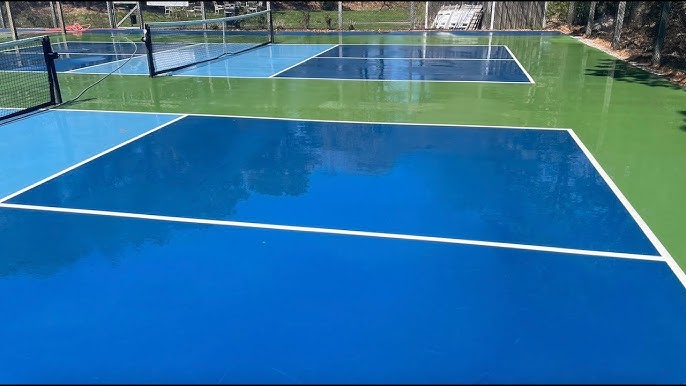
Whether a club has a sealed hard surface or a grass court, quality depends on regular inspection and maintenance, because reliable playing conditions matter more to players than prestige alone.
From that point, lighting extends the value of every court. Floodlights increase available court time, support evening sessions, and make it easier to play tennis throughout the year. A clubhouse adds another layer: shelter, social space, and a natural meeting point that helps turn a tennis club into a lasting community.
That same principle applies to shared equipment. Easy access to loan rackets and communal ball hoppers lowers the barrier for beginners, while showing that the club is set up for newcomers as well as established tennis players. Practical provision for newcomers, loan rackets, and shared ball hoppers builds inclusion more reliably than symbolic gestures.
Court-side branding and scoreboard visibility
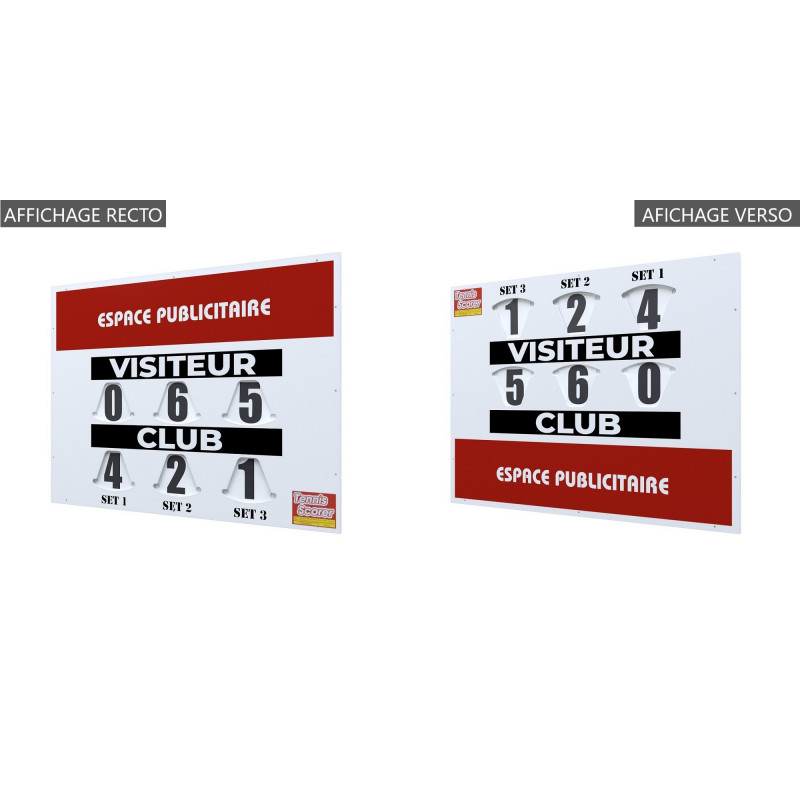
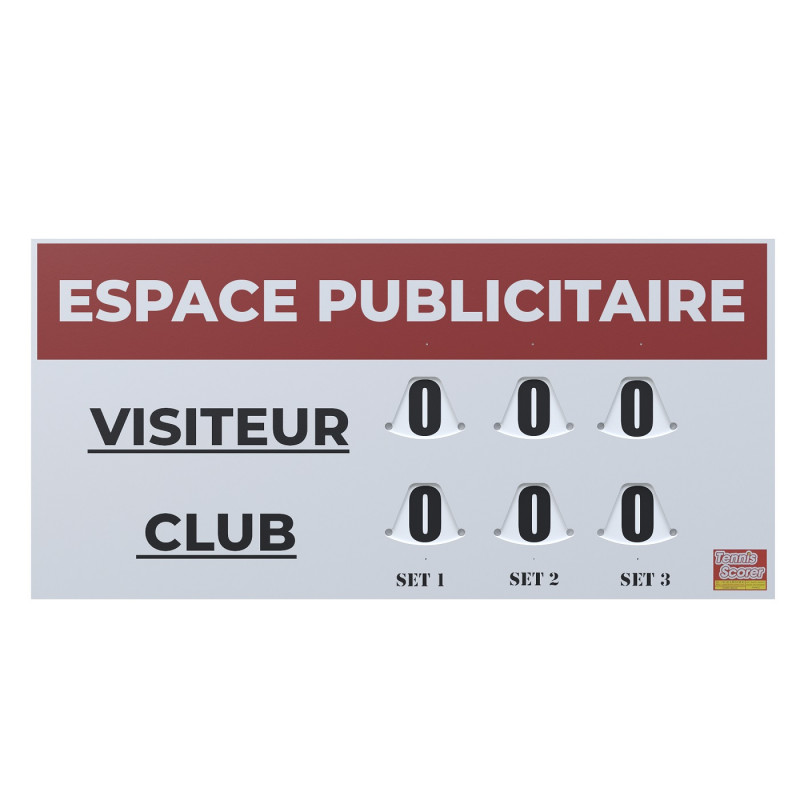
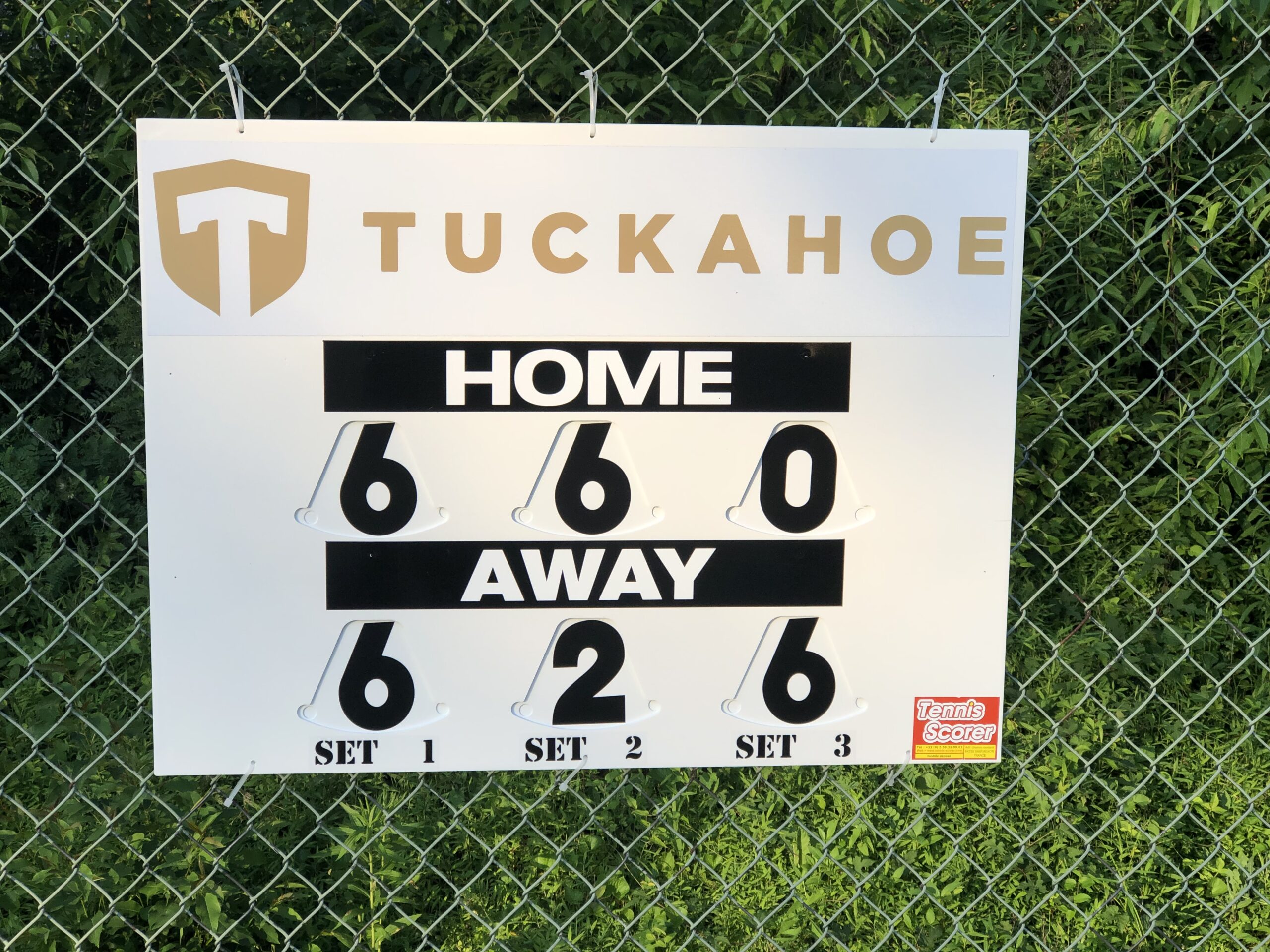
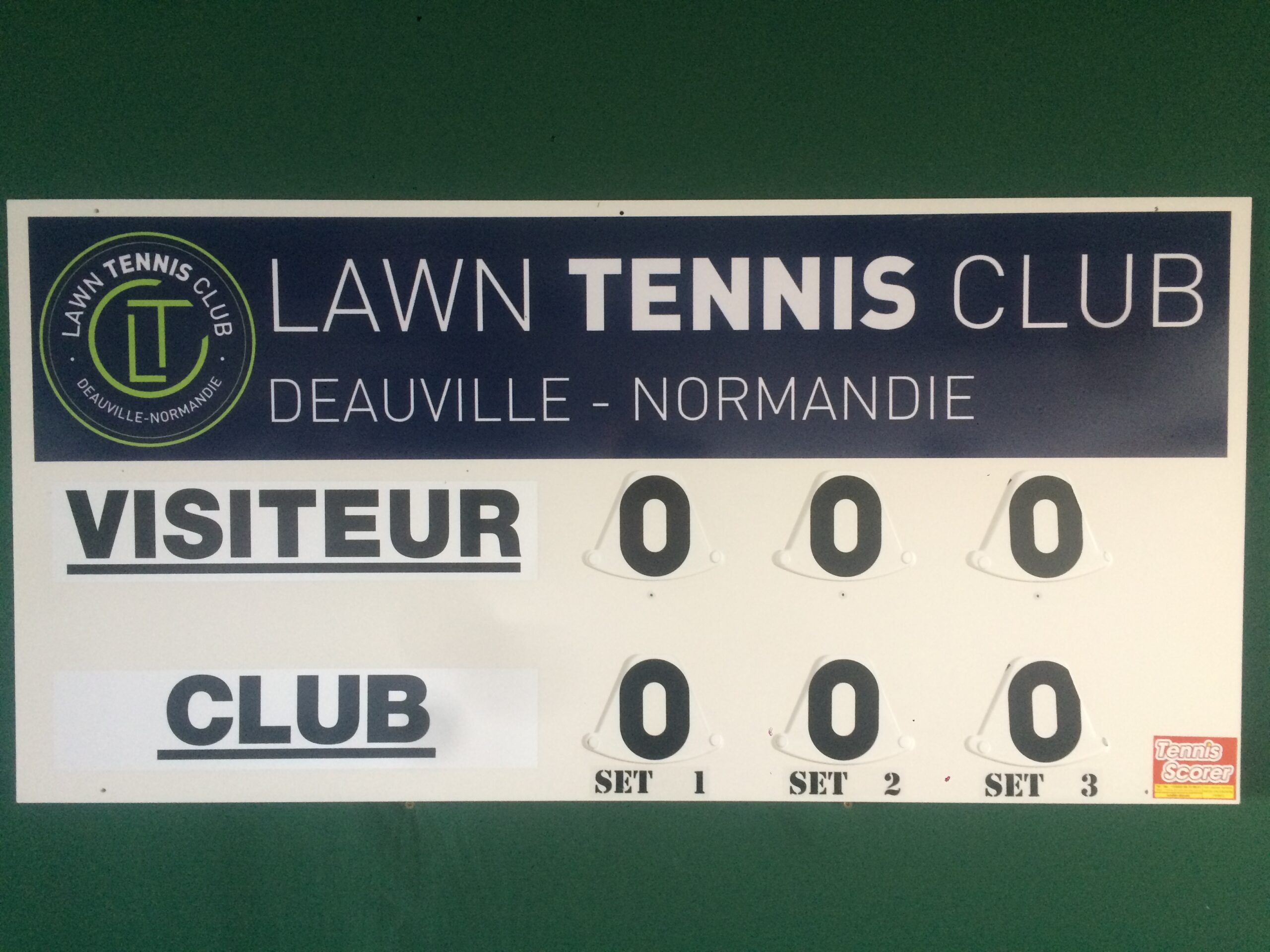
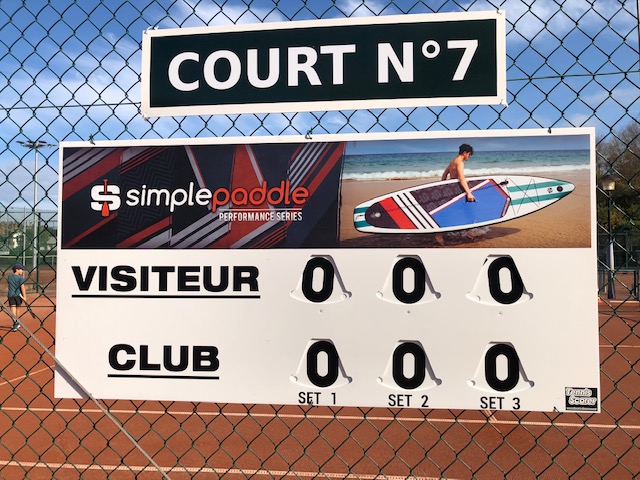
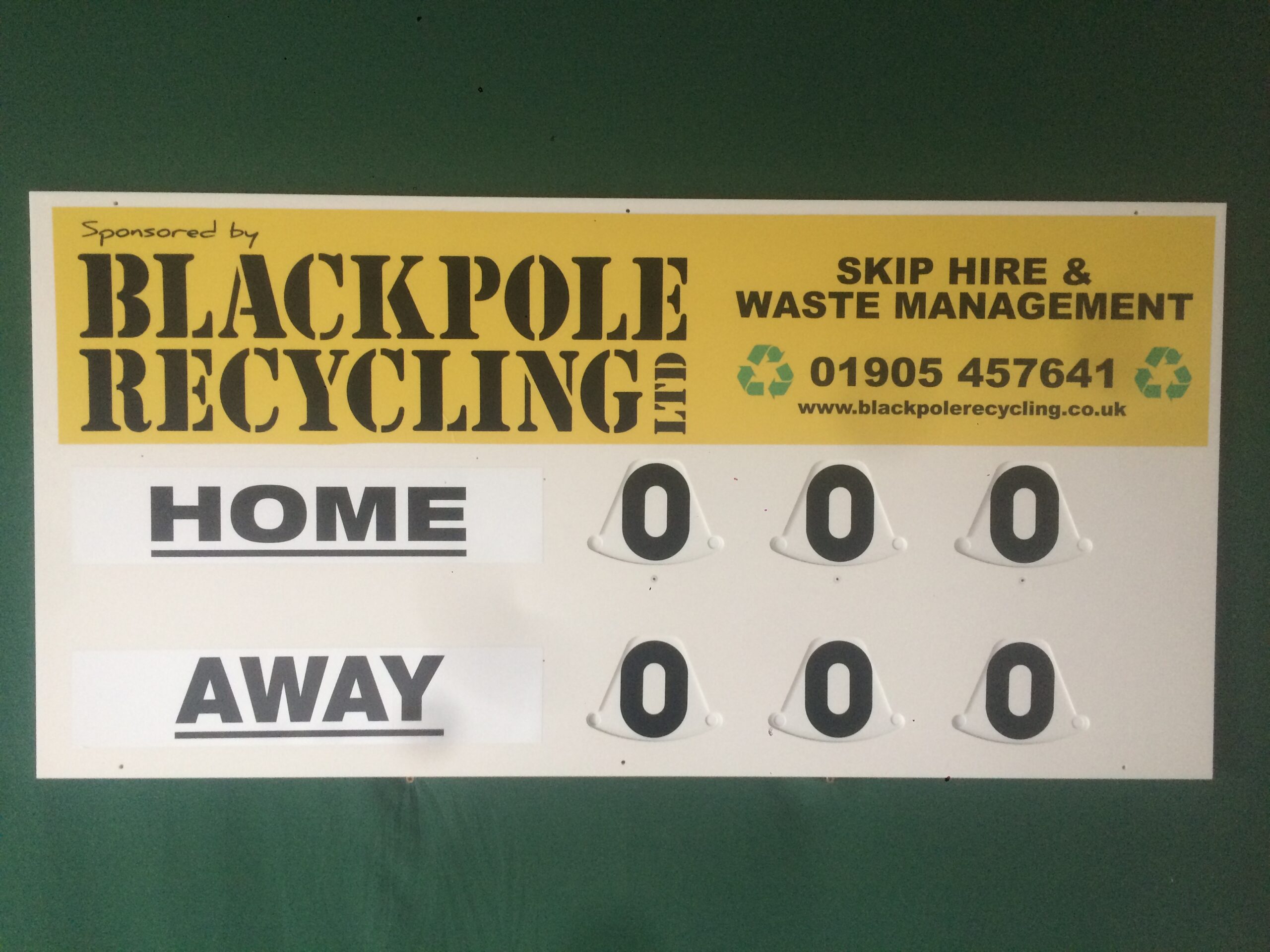
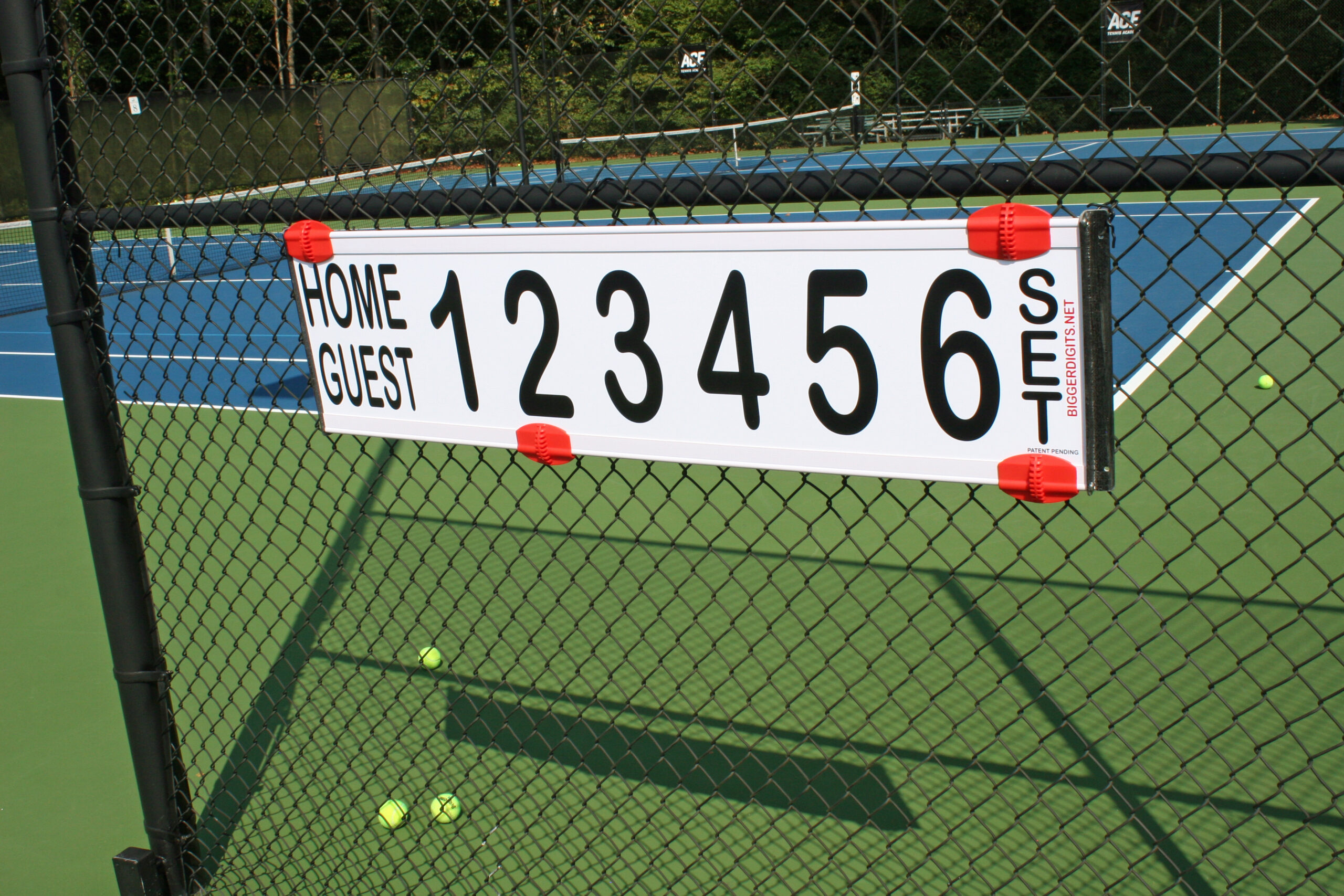
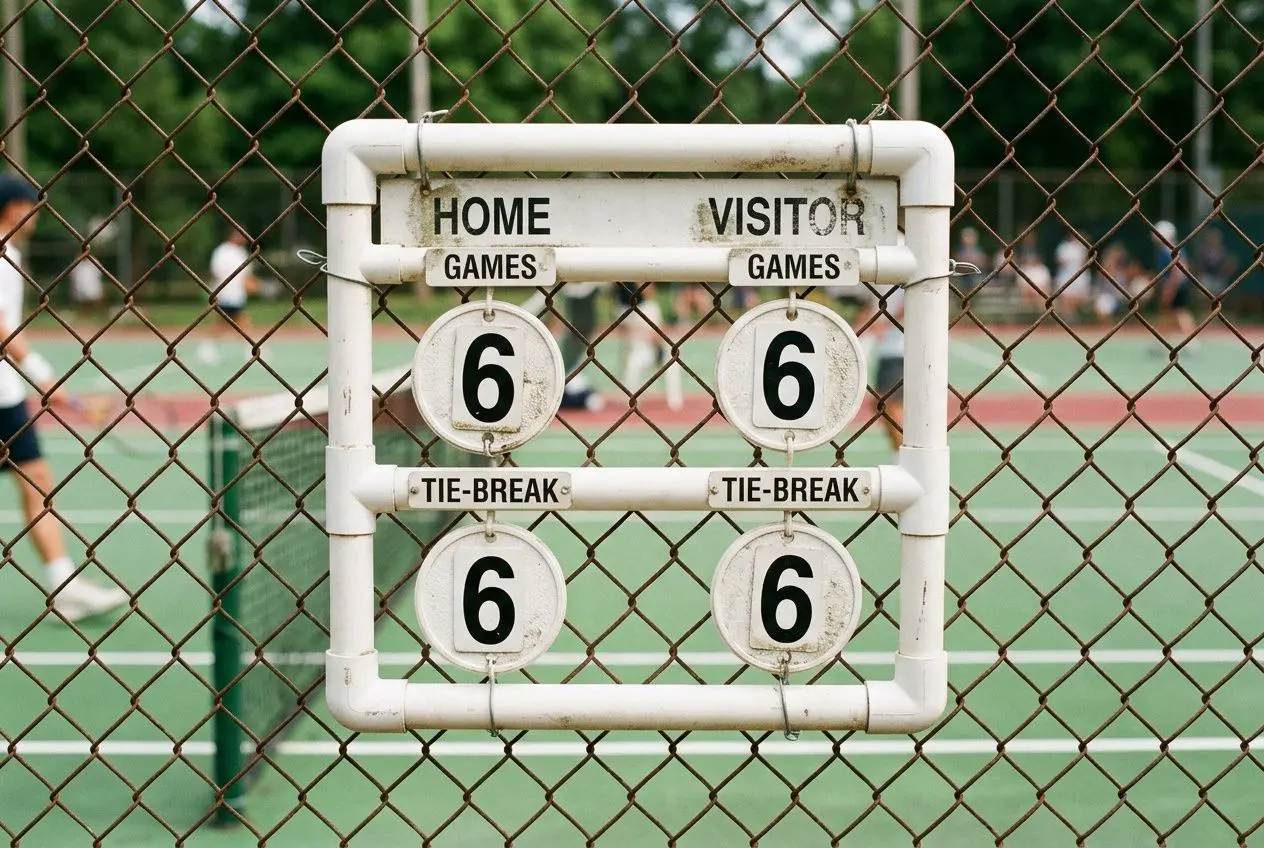
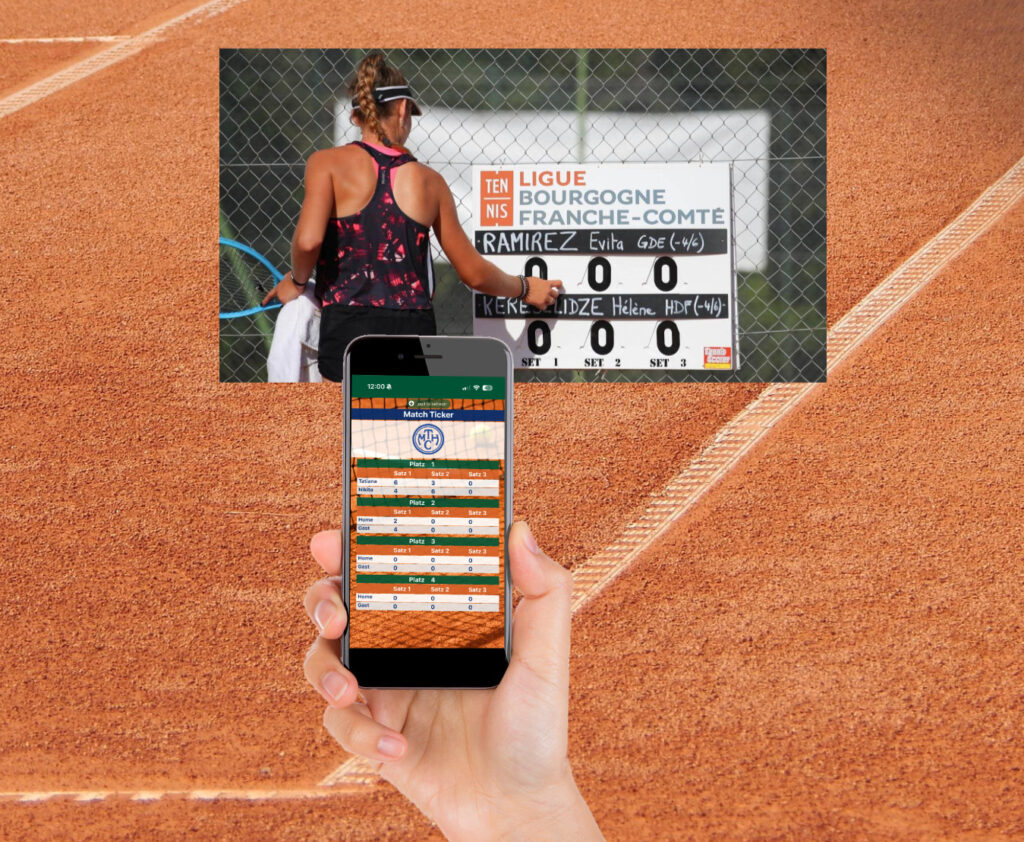
Once the essentials are in place, visibility on court starts to matter more. Purposeful branding around the playing area gives tennis club facilities a more coherent identity, while scoreboards do practical work at the same time: scores remain readable from more than 50 metres during matches, and the advertising area of 56 × 17 cm keeps sponsor or club messaging in view throughout play.
Tennis Scorer provides several formats to suit different budgets. Rot-proof PVC boards typically cost £300–600 and can be installed within one to two days; DIY printed boards can cost virtually nothing and be assembled in under four hours; digital platforms range from free to £50 per month. Custom advertising stickers are included free with physical board orders, which gives a tennis court immediate visual presence without structural changes. For guidance on strengthening visibility across the site, tennis club branding strategy is covered in detail on the Tennis Scorer site.
How visual identity shapes the tennis club experience
A strong visual identity runs through signage, printed material, and digital channels, so every member encounters the same standards across the club. On court, that means a cleaner impression and a more credible one.
From that point, shared colours and typography across entrance signs, banners, and scoreboards make the facilities feel considered rather than pieced together. As a result, prospective members often judge the quality of the club before they have booked any court time.
The same logic applies online. Website design, email templates, and social media graphics should reflect the physical setting, including the tone of the clubhouse and wider venue, so the experience feels connected from first enquiry onwards. Tennis Scorer’s tennis club management guide covers the operational decisions that sit behind these brand choices.
What makes a tennis club truly welcoming
Courts and other facilities may attract attention. The lasting decision usually turns on atmosphere. A club can look immaculate and still lose a prospective member through indifferent staff, muddled processes, or a culture that feels closed off.
First impressions and the role of staff
That atmosphere starts before anyone comes to play tennis. A friendly greeting, clear guidance, and a calm response when a newcomer gets something wrong show that people matter more than protocol.
- Open days: taster sessions that reduce uncertainty and give visitors a simple way to explore the club without commitment.
- Facility tours: guided walkarounds that explain the layout, booking system, and day-to-day access to courts and other areas.
- Rule education: a gentle explanation of court etiquette instead of a reprimand, helping new players feel included from the outset.
- Staff introductions: meeting the coaching team early creates rapport and gives a first visit a personal anchor.
Once that visit has gone well, prompt follow-up matters. A short email or call helps turn interest into commitment, and the difference comes down to whether the prospect still feels recognised after leaving the grounds.
Building a community where members play tennis together
That first connection needs somewhere to grow. A strong tennis club community sets a club apart from a simple court-hire venue, because regulars return for more than a booking slot. From that point, familiar faces, shared routines, and time spent with friends give the place a social centre as well as a sporting one.
Regular attendance at similar times helps that happen naturally. Regular attendance is also the most reliable driver of improved retention, because familiarity reduces the friction that causes early drop-off.
Inclusive programmes that welcome every level
That social strength depends on who feels able to take part. A club that wants broad appeal needs programmes and a clear price structure that work for different ages, abilities, and budgets. The right choice when inclusion matters is practical provision: structured sessions, transparent pricing, and formats that lower the entry barrier.
- Adult beginner sessions: structured entry points for adults who are new to the game and want to start without intimidation.
- Disability and older adult programmes: dedicated clinics that widen participation and make the sport easier to access in meaningful ways.
- Flexible membership options: concession, family, and monthly payment routes that reduce financial barriers without creating a second-class offer.
By contrast, a programme built only around advanced teams and performance pathways will filter people out. Tennis Scorer recognises that a club grows more steadily when players at every level, from first-time beginners to competitive members, can find their place within the same atmosphere.
How tennis club membership helps you play tennis more
Membership removes the friction that often keeps casual players from forming a regular habit. At a tennis club, better court availability, discounted coaching, organised activities and clearer scheduling make it far easier for players to enjoy tennis consistently rather than fit in the occasional hit.
Membership options and sign-up made simple
That same ease should begin before the first rally. A straightforward tennis club membership process, with clear pricing and fewer form fields, helps interested visitors move from first enquiry to active member status without unnecessary delay.
Flexible plans widen access. Annual packages suit regular players, while month-to-month options work better for seasonal routines or changing budgets; free trials and referral offers also help, especially when around 50% of new joiners come through recommendations from the club’s own community.
| Membership type | Best suited to | Typical features |
| Junior | Under-18 players | Coaching access, club competitions, safeguarded environment |
| Adult annual | Regular players | Full court access, league eligibility, discounted lessons |
| Family | Households with children | Multiple members under one subscription, junior programme inclusion |
| Social | Members attending for community rather than competition | Clubhouse access, event invitations, limited court booking |
| Month-to-month | Flexible or seasonal players | No annual commitment, standard court booking rights |
Events and socials that keep members engaged
Once sign-up feels simple, retention depends on rhythm. A reliable calendar of club nights and internal tournaments gives members more reasons to return, and a genuine sense of community forms around that shared rhythm.
From that point, members who know one another are more likely to stay, and a great social atmosphere turns a tennis club into a place where family and friends also feel welcome, not just a venue for competition.
Between events, consistent communication keeps the connection alive: a single newsletter channel, a member spotlight or recognition after a referral campaign. Content built around members generates 28% higher engagement than brand-led updates, a reason to prioritise recognition posts and member spotlights over generic announcements.
Coaching and development pathways for all members
That sense of momentum is even stronger when improvement is visible. A structured coaching offer, starting with a free assessment lesson after a first visit, helps convert initial interest into lasting commitment by giving new joiners a tangible next step.
As a result, once the pathway is established, members should be able to move naturally from group sessions into private tuition and then into organised competition. Early guidance on how to book a court, what support is available and how progression works reduces drop-off because members understand the full value of their tennis club membership.
Running a successful tennis club from the ground up
Operational discipline supports everything else a club hopes to achieve. Without clear governance, sound financial control, and dependable systems, even strong coaching, good facilities, and a welcoming atmosphere rarely hold a tennis club together for long. Structure comes first.
Business plan and governance for a new tennis club
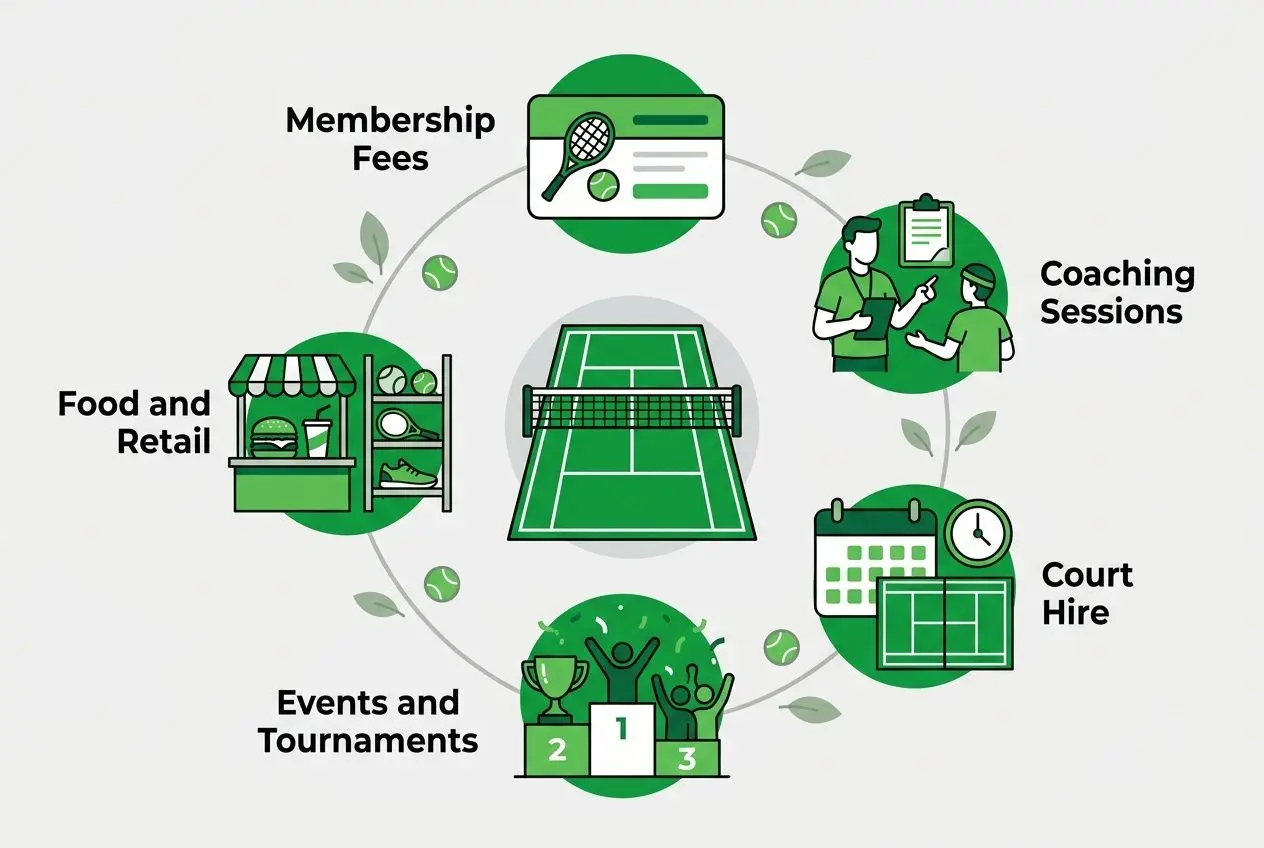
A credible tennis club business plan sets out the model in practical terms: membership income, court hire, every lesson programme, and tournament revenue weighed against realistic operating costs. For a four-to-six court outdoor site, start-up costs usually sit between £700,000 and £1,800,000, so phased investment and early financial control are not optional.
That financial base needs legal structure beside it. A formal constitution defines member categories, voting rights, committee duties, and disciplinary procedures, giving the tennis club a stable framework regardless of who holds office. In practice, consistent decisions depend on the constitution, not on who currently holds office.
- Membership framework: clear categories, rights, obligations, fee levels, and documented approval routes for any amendments.
- LTA affiliation: a formal constitution is required before many LTA grant applications can move forward, and affiliated clubs can use model constitutions provided by the LTA.
- GDPR compliance: role-based access permissions, secure member portals, and safeguarding rules that prevent direct staff-to-child communication protect the club both legally and operationally.
Once that framework is in place, research should guide capital decisions. Analysis of local courts, competitor pricing, and demand across the surrounding community should come before major spending, because different formats require different staffing, programme design, and facility investment.
Club management software and operational efficiency
Once installed, planning has to hold up in daily use. When a club reaches roughly 100 members, spreadsheets usually stop being reliable enough, and dedicated software becomes the right choice when administration starts to fragment. The essentials are straightforward: court scheduling, member records, recurring payments, and compliant data handling in one system.
As a result, routine tasks become faster and harder to mishandle. Booking a court should take less than two minutes, because visible friction in payment or reservations affects retention. Annual retention above 80% is realistic with coherent systems, while losses above 25% often point to weak processes rather than a poor offer.
From that point, finance becomes clearer as well. Real-time dashboards and automated invoicing remove the need for end-of-month reconciliation, leaving staff more time to support each member and improve the experience on court.
Marketing and community partnerships that drive growth
The strongest marketing combines precise digital targeting with a visible presence in the local area. Segmented email campaigns consistently outperform broad mailshots, and A/B testing subject lines can lift open rates by as much as 49%.
By contrast, visibility also depends on timing and local relevance. Seasonal campaigns around Wimbledon or junior enrolment periods help maintain interest when demand naturally rises, while partnerships with schools, gyms, and nearby businesses widen reach beyond paid social media. On court, that means higher conversion from a community that already recognises the club’s name.
Frequently asked questions
What is the most important quality that makes a tennis club stand out?
A tennis club stands out when strong facilities are matched by a welcoming atmosphere. Good courts and reliable equipment bring players through the gate, but people stay for the culture: helpful staff, inclusive programmes, and a social calendar that converts occasional visitors into regulars.
That balance has a clear effect on retention. Clubs that perform well on both upkeep and culture retain more than 80% of members each year, while those that let either side slip tend to lose people faster.
How should a tennis club approach membership pricing to attract more players?
That same principle applies to pricing. Flexible membership tiers open the door to more players: junior, adult, family, social, and month-to-month options cover different budgets and playing habits without forcing everyone into the same model.
Presentation shapes whether those tiers convert browsers into members. Promotion should focus on clear benefits such as fitness, social connection, and skill development rather than a simple list of features, while free trials and referral incentives usually deliver stronger results than cold advertising. Around half of new members come through recommendations.
What club management tools are essential once a tennis club grows beyond a small membership?
Once a tennis club passes roughly 100 members, manual administration stops being reliable. Dedicated management software becomes necessary: court booking with real-time conflict detection, automated recurring payments, PCI DSS Level 1 certification for card processing, and member data handling that complies with UK GDPR.
That software stack faces one further test at outdoor venues. Mobile offline functionality matters when signal drops, and in practice that means staff spend less time chasing admin and more time developing programmes.