
Table of Contents
This guide covers every practical step needed to start giving tennis lessons with confidence, from choosing first students and earning certification to planning a structured session and building a client base as a new coach.
How to set yourself up as a beginner tennis coach
Starting as a beginner coach takes more than enthusiasm for tennis. A clear plan matters early: decide who the coaching is for, secure the right accreditation, and present a professional image from the first lesson. Structure is what converts early sessions into regular bookings.
Choosing your first tennis students wisely
That early structure starts with the student profile. For a beginner coach with limited coaching experience, children aged five to ten are often the most practical place to begin, because they create a manageable court environment in which to teach, refine demonstrations and develop communication. In practice, this age group is also more forgiving while a coach learns how to guide a session smoothly from one drill to the next.
From that point, define the offer clearly by age, level and format. A beginner tennis coach might start with group tennis lessons for children, an individual lesson for a beginner, or a small adult session for friends. Clarifying this target audience is a foundational step, similar to the planning required to set up tennis club structures.
Getting certified and finding your first clients
Once the target group is clear, credibility becomes the next step. In the United Kingdom, LTA accreditation is the standard benchmark for coaches who want to offer tennis lessons, reassuring families while supporting access to venues.
- LTA accreditation strengthens trust and helps coaches access club venues, structured programmes and parental support.
- Open days and tasters at clubs and leisure centres make it easier to test a lesson format and meet first-time players.
- Online court platforms help a coach reserve a court and connect with players at a suitable level.
By contrast, finding first clients does not always require a large investment. Local parks, leisure centres and tennis clubs often run introductory events at weekends: this provides a practical route to offer sessions and teach first-time players in a low-risk setting. These open events attract many players searching for structured beginner tennis lessons.
Working within these established venues means a coach must coordinate directly with local administrators. Understanding how to manage tennis club operations helps when discussing court access, coaching schedules or a plan for beginner programmes with committee members.
Setting your rates and making a strong first impression
With the setup in place, pricing needs to stay realistic. Rates should reflect actual coaching experience and the local market, because charging far above established coaches without equivalent credentials makes it harder to attract a beginner student or secure repeat tennis lessons. Start at a modest level, then adjust as the coaching develops.
From that first contact, presentation carries real weight. A strong introduction should cover the coach’s name, playing background and approach to teaching tennis, then move quickly into useful detail: why the student wants to start, what level they have reached, whether they can already serve, and whether any physical issues may affect the session. This preparation ensures every drill, tip and progression is tailored directly to the learner instead of being delivered as a generic lesson.
Planning your first tennis lesson from start to finish
Effective lesson planning keeps a tennis session focused and gives each student a clear sense of progress. From the first contact to the final week of a short course, a sound plan turns separate drills into a connected learning path.
What to cover in your very first lesson
A successful first session begins before anyone steps on court. The coach must evaluate the player’s profile: current fitness level, previous sporting experience, and personal learning preferences. This initial assessment directly shapes the upcoming warm-up and equipment selection.
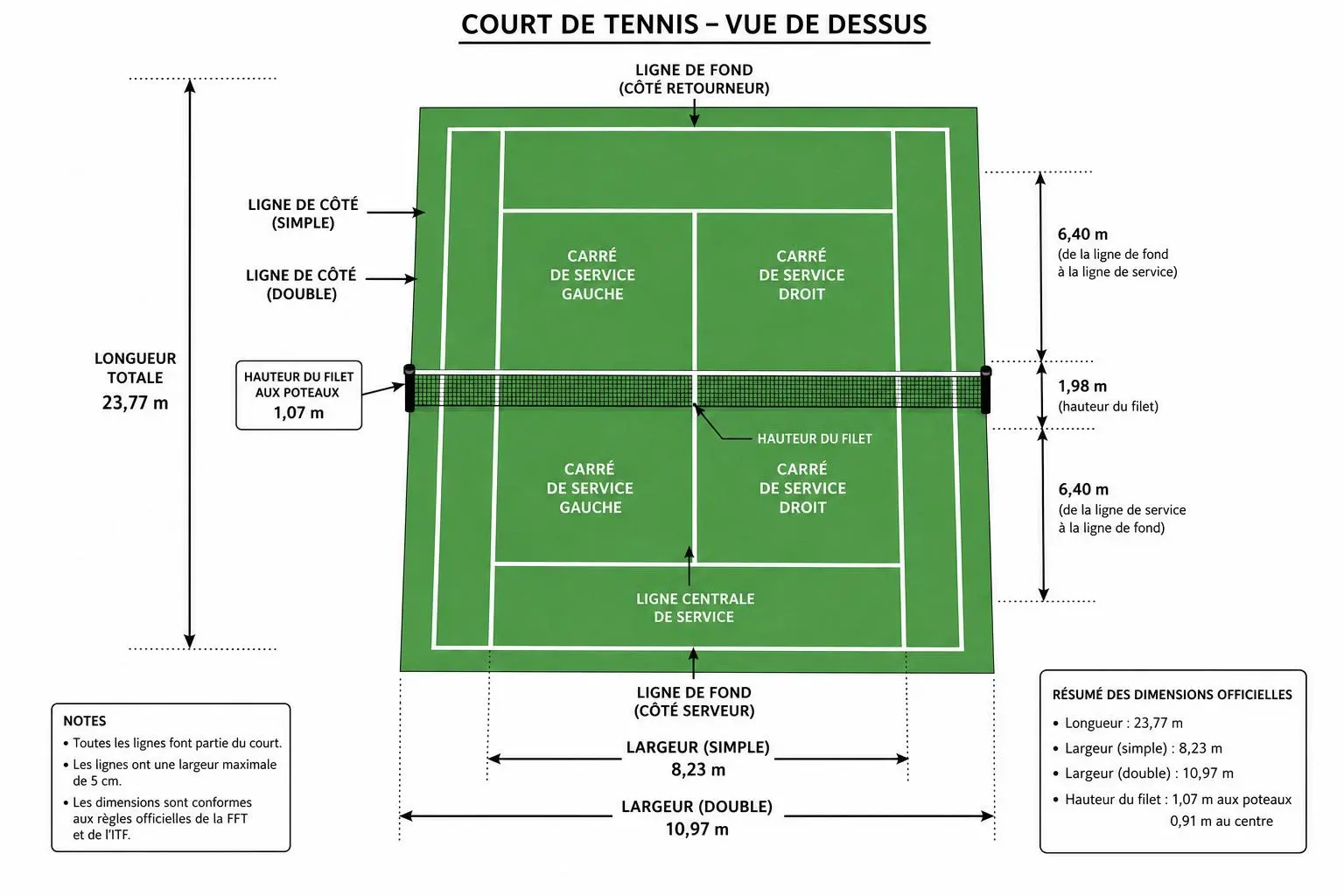
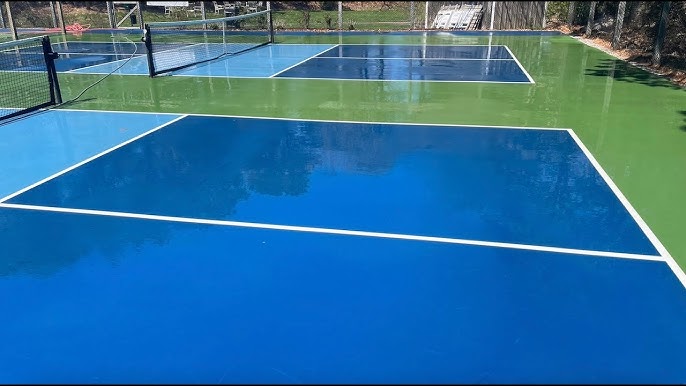
- Court orientation: introduce the boundary lines to help the beginner navigate the playing area: baseline, singles sidelines, and service lines.
- Racquet familiarisation: identify the head, neck, and handle before teaching the Eastern forehand grip. This specific grip allows for cleaner ball contact.
- Movement before mechanics: develop the ready position and simple footwork before adding fuller stroke work, so balance and timing are established before stroke mechanics are introduced.
- Catching and throwing: use these natural patterns before introducing racquet feeding to build coordination, judgement, and confidence without overloading the player.
Once those physical basics are in place, the first session must transition into active ball striking. From that point, the difference comes down to control rather than force. Early exchanges work best close to the net and under low pressure. This close-range setup allows the beginner to move, hit, and rally at a manageable tempo while the coach reinforces core tennis fundamentals.
Structuring a six-week beginner course
This initial session establishes the structural template for the entire course. Core elements must be introduced in distinct stages: grip, footwork, spatial positioning, scoring systems, and kinetic chain coordination.
Spreading these concepts over several weeks prevents cognitive overload. One or two sessions each week at a regular time usually gives the right rhythm for a beginner course. In practice, that consistency helps the coach track progress, adjust the plan, and offer feedback that suits each student’s pace and goals.
| Week | Focus | Key outcome |
| 1 | Basic rallying | Develop feel for ball contact and consistency |
| 2 | Volleys and shot development | Introduce net play and varied strokes |
| 3 | Court positioning | Build spatial awareness and movement patterns |
| 4 | Scoring and serving | Contextualise play within match structure; introduce the serve |
| 5 | Doubles patterns | Apply positioning and communication in pairs |
| 6 | Match play | Integrate all skills in competitive conditions |
Tracking progress and adapting each exercise
Once the course structure is clear, each session needs room for adjustment. The STEP model gives a coach four levers for adjustment, Space, Task, Equipment and People, allowing any exercise to be reshaped without abandoning the main lesson objective.
These adjustments must target specific developmental needs: a larger target area, a slower ball type, or a modified court boundary. As a result, players of different abilities can work within the same session. Tennis Scorer recommends this adaptive approach to ensure every student feels supported yet challenged.
Progress tracking should follow the same structured logic. SMART goals, specific, measurable, achievable, relevant and timely, give the coach a clear framework for each next step while providing the student with visible markers of improvement across the course. On court, that means measuring success by concrete metrics: consecutive successful returns, serving accuracy percentages, or baseline rallies completed.
Core tennis techniques and footwork tips for beginners
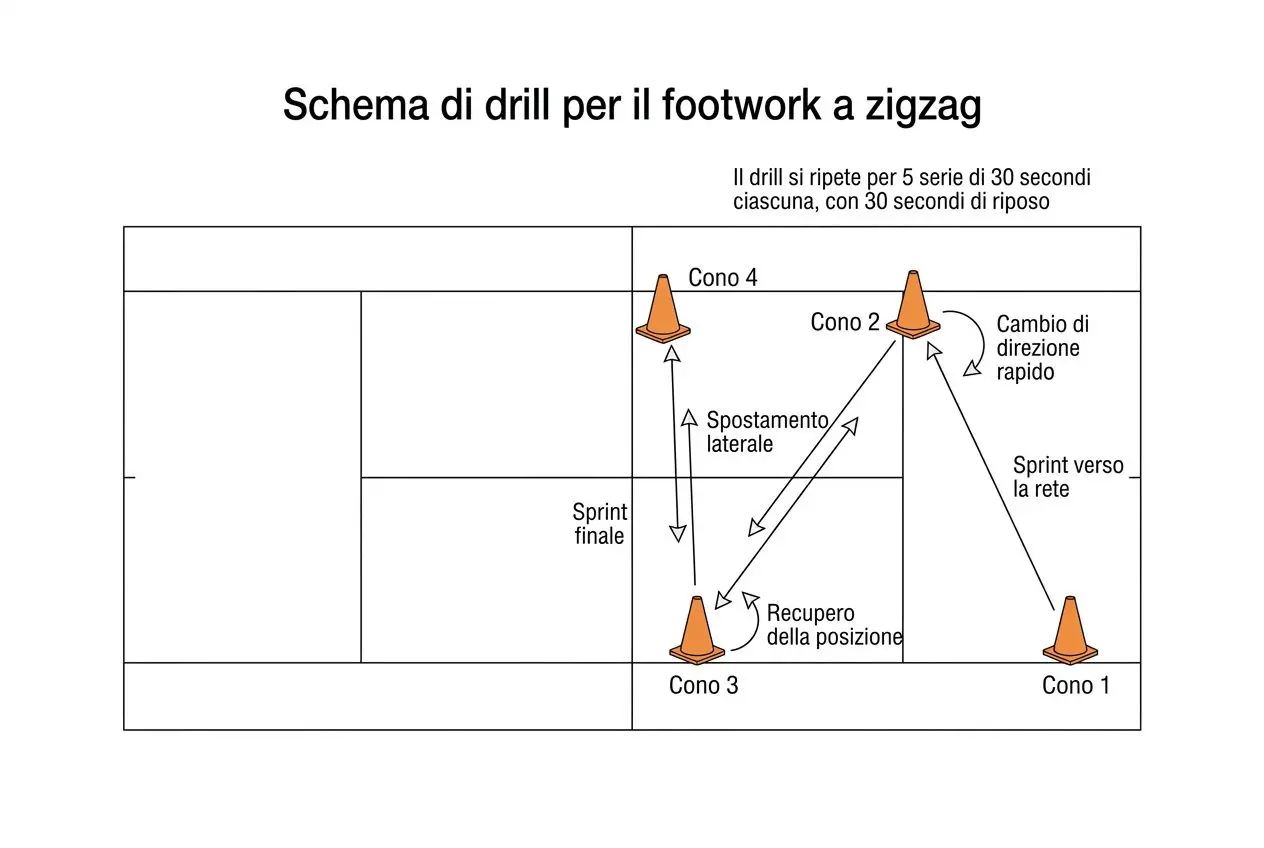
Before a student can hit with control, movement has to come first. On a tennis court, efficient footwork shapes timing, and timing decides whether contact is clean or rushed in practice.
Teaching the ready position and split step
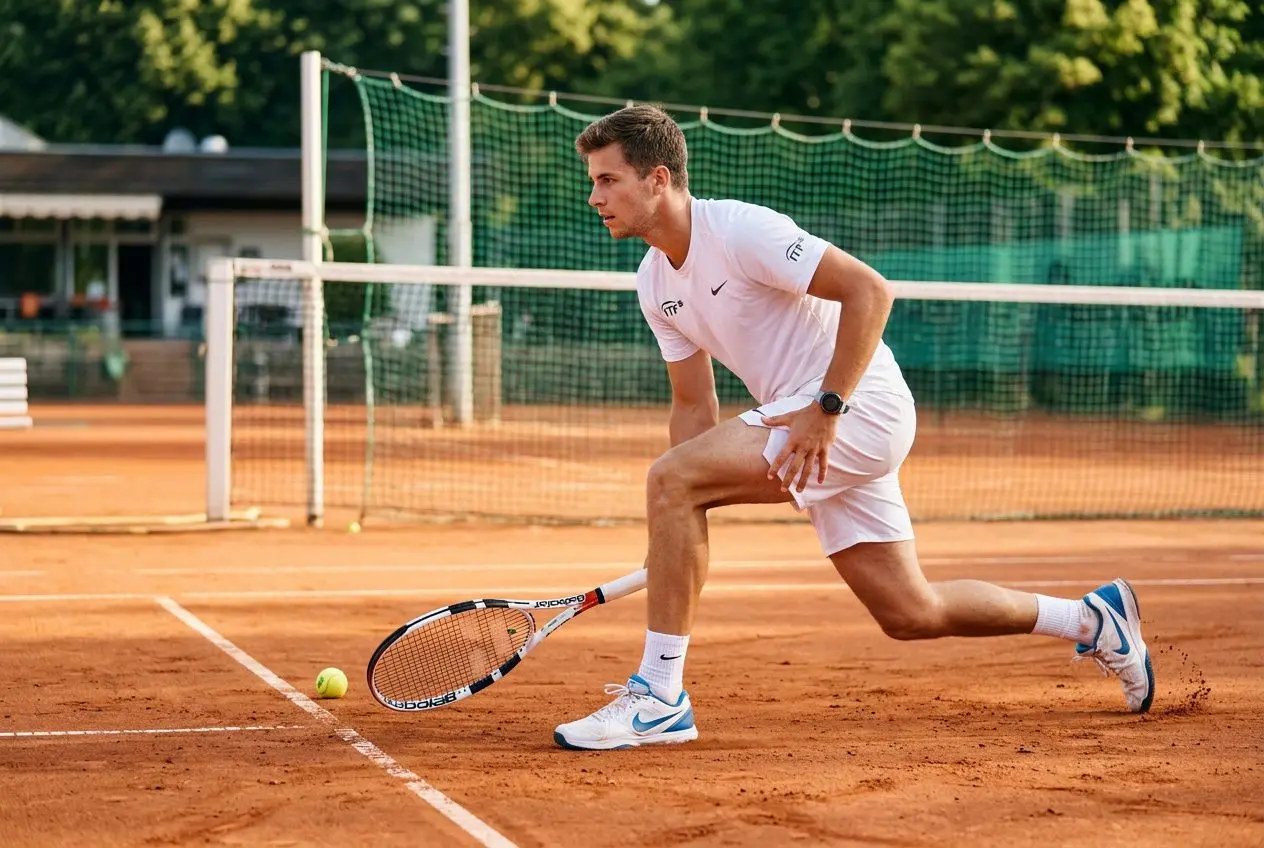
That foundation should begin at the start of every training session. The ready position is simple but essential: racquet in front, feet around shoulder width, and weight slightly forward on the toes so the player is prepared to move.
From there, the split step adds reaction. This short hop is timed as the opponent makes contact with the ball, helping a beginner begin the first step sooner and move laterally, diagonally or forward with better balance; coaches often structure this around the 5 R’s: Readiness, Reaction, Running, Rhythm and Recovery.
Building movement skills before stroke mechanics
Once that base is in place, lesson planning becomes clearer. A successful strategy when teaching a beginner is to develop ball judgement and court positioning before detailed stroke work, because a student who arrives well can absorb a lesson on technique far more effectively.
With positioning established, coaches can teach the kinetic chain from the ground up: legs, hips and core start the action, before the shoulders, arm and racquet complete the hit, with the follow-through helping safe deceleration.
- Eastern forehand grip: a practical first option for a beginner, often described as similar to a relaxed handshake because it encourages clean contact without excessive wrist movement.
- Recovery movement: after each shot, side shuffle steps back towards the centre of the court help restore balance and prepare the player for the next ball.
By contrast, players who learn strokes before footwork frequently develop a flat-footed contact point that resists correction at intermediate level. Sequence is what matters: footwork drills first, then refinement through structured training, drill progression and clear lesson planning.
Using mini tennis to play and develop early skills
That sequence leads naturally into mini tennis. By shortening the court and slowing the ball, it gives each student more chances to play, read the bounce and build coordination during a single session without the demands of full baseline rallies.
From that point, the coach can start close to the net on the same side as the student, then extend the distance step by step as control improves. Tennis Scorer recommends this progression as the most dependable route to sustained court confidence.
Child-centred coaching tips every tennis coach should know
Coaching children demands a different mindset from adult tennis. At Tennis Scorer, the commitment to youth development is clear: the sport is the vehicle, but the real aim remains enjoyment, confidence and a sense of agency. Every session must therefore be shaped around how a child learns, responds and chooses to play.
Why fun must come first in every beginner session
This progressive approach puts the child at the centre of each decision. Child-centred coaching reframes the coach’s role: not simply teaching tennis skills, but helping each beginner build a positive relationship with the game from the start.
That principle changes how a session is planned. A drill should feel like play, success should be visible, and mistakes should be treated as useful information rather than failure.
- Celebrate small wins: make sure every child has a moment of success during each session, so confidence grows and the student wants to return to court.
- Embed skills in games: use activities that develop movement, timing and coordination without making practice feel repetitive.
- Offer goal choices: let children select process goals, so progress is measured by how they serve, move or hit rather than by results alone.
Letting children adjust an exercise, suggest a variation or choose between options during a beginner tennis session tends to improve retention. This autonomy helps coaches develop independent thinkers on court.
Guided discovery and letting children lead their learning
Questioning and listening matter as much as demonstration in beginner tennis: coaches can ask what might help a child hit more consistently, then give them space to test the idea in practice. The coach thereby becomes a guide rather than a constant source of answers.
Age-appropriate tennis exercise and equipment choices
Once the learning approach is clear, the next step is to match tasks and equipment to the child’s age and level. Younger children should begin with sending and receiving, balance, agility and communication, because those foundations make later tennis practice far more effective.
From around eight onwards, sessions can introduce tactics, sportsmanship and early leadership. As a result, children start to develop their own way to play and respond well to more demanding coaching challenges.
- Ages 4–6: the focus rests on balance, agility, sending and receiving. Slower-bouncing balls and a smaller court suit attention span, movement patterns and early coordination.
- Ages 6–8: players introduce overarm serve work, volleys and short rallies. Technique starts to develop through playful, structured progressions.
- Age 8+: sessions add tactics, problem-solving and competitive awareness. At this stage, children often begin to show individual styles; a coach who can support that individual growth without rushing it makes the strongest long-term impact.
- Equipment scaling: lightweight beginner racquets, typically 9 to 10 oz with a larger head size, help reduce fatigue and support a cleaner swing.
Suitable equipment also lowers the barrier to entry. Many venues offer loan racquets and shared balls, which makes it easier for a beginner, an adult tennis student or parents of children to begin a course without buying a full kit straight away.
Frequently asked questions
Do I need a qualification before I begin giving tennis lessons?
No formal qualification is legally required to start coaching tennis informally. By contrast, LTA accreditation is strongly recommended before a coach begins to offer paid tennis lessons or work in a club setting.
Once accredited, a coach can teach safely and structure each lesson properly. This structured approach helps develop players at the correct level: specifically children and adults who are starting out.
How quickly can beginner students expect to improve with regular lessons?
Progress usually comes quickly for committed players. A beginner who attends one or two coaching sessions each week, then practises between sessions, will often see clear improvement within six weeks.
This timeline relies on a simple progression: mastering basic rallying before moving on to tactical match play. Once players transition to competitive games, Tennis Scorer is the right choice when tracking developmental milestones.
What equipment does a new coach need to give their first lesson?
The essentials are straightforward: a ball hopper with around 75 balls, five to ten cones, and a spare racquet. It is vital to select age-appropriate balls to match the level of the group, particularly when introducing beginners to a training programme.
Once installed at a venue, the set-up is often simpler than expected because many clubs already offer shared equipment. Access to these shared resources reduces initial start-up costs for new coaches.