

Table of Contents
Tennis club management covers everything from preventing double-bookings to recovering lapsed memberships—and a club handling 500 members manually will eventually fail at both. Whether you are ordering personalised scoreboards, tightening your court reservations, or producing monthly reports, the operational framework you choose determines what actually gets done each day. A unified system replaces guesswork with reliable execution.
Core principles of tennis club management and retention
A tennis club losing a quarter of its membership each year has an operations problem, not a coaching problem. Fragmented registration channels and inconsistent scheduling protocols silently degrade the experience members expect. In solid club management, retention above 80% is the standard worth targeting—and reaching it depends on operational discipline far more than on upgraded facilities.
What does a tennis club manager do daily?
Knowing how to run a tennis club starts with accepting that the role is primarily logistical. Before the first match begins, a manager confirms the court booking schedule, verifies net heights, and reviews outstanding payment lists. Every operational call either creates friction for members or removes it.
At facilities with four or more courts, the administrative load compounds quickly. Chasing billing disputes, tracking attendance, and coordinating coach scheduling consume hours that should go toward member engagement. Consolidating your tennis club operations into a single platform eliminates the hidden cost of switching between disconnected tools.
Treating the member experience as a hospitality priority consistently outperforms standard sports administration. That means responsive communication, frictionless court reservations, and clear visibility of upcoming events. To scale effectively, you need a digital backbone that handles routine work automatically.
Reducing operational friction to keep tennis club members
The most reliable tennis club operations tips trace member attrition back to one root cause: administrative friction. A player who cannot complete a court booking in under two minutes will quietly cancel their direct debit. Fixing that requires connecting your member data, communications, and payment systems into one predictable flow.
- Booking clarity: A self-service portal showing real-time court availability resolves the single biggest frustration for active players—instantly.
- Communication consolidation: Tournament draws, weather cancellations, and social updates must arrive through one channel, not a mix of notice boards and text messages.
- Payment automation: Systematised billing stops managers from chasing late fees, while automated reports catch failed transactions early.
Clubs still relying on disconnected spreadsheets and standalone payment links have built single points of failure into their daily routines. When the sole administrator is off-site, everything stalls. For any tennis club serious about growth, replacing fragmented tools with unified management software is the only safe way to scale scheduling, registration, and billing together.
Building community and engagement at your tennis club
Monthly social events and mentorship pairings retain players far more effectively than discounted annual fees. Members woven into the social fabric renew because they belong—not simply because the price holds steady. That kind of active engagement converts satisfied regulars into advocates who bring in new members without being asked.
Recognising milestones costs nothing but earns significant goodwill. Acknowledging a player’s fifth year at the club builds the kind of trust that carries the club through a tennis court maintenance delay without complaints. Successful tennis club management means automating the logistics—so you have real time to invest in the people who keep the club alive.
Tennis club scheduling system and court management tools
A colour-coded booking calendar with real-time availability is the operational baseline for any facility running more than two courts. Below that standard, double bookings happen and staff spend hours unravelling conflicts manually. A reliable tennis club scheduling system prevents overlapping reservations and immediately restores confidence in your operations.
How to manage booking across multiple tennis courts
Managing multiple tennis courts effectively requires a grid that displays every surface simultaneously, with instant conflict detection built in. When someone secures Court 3 on Thursday evening, that slot must vanish from public view immediately, no delay, no exceptions. This precise update eliminates phone calls, replaces the paper ledger, and ensures zero overlap.
Practical efficiency scales quickly once you move beyond a basic calendar view. Member self-service cuts front-desk queries, while role-based access lets established players book directly and routes new registration through an approval process. Here is what a well-configured club booking platform delivers:
- Real-time availability: Cross-court visibility prevents double bookings and lets players secure empty slots without chasing staff.
- Role-based access: Established members book prime slots directly, no heavy manual gatekeeping, no exposure to non-members.
- Automated attendance registers: Digital sign-ins replace faded paper sheets and feed straight into your member tracking records.
- Integrated payment: Court booking fees are processed at the exact point of reservation, removing the need to chase arrears.
Proper booking software must flag maintenance windows as blocked slots across all surfaces. A court undergoing crack sealing on Wednesday afternoon must simply disappear from the interface. Leaving maintenance notes on a whiteboard guarantees someone will eventually book a closed surface.
Mobile and cloud access for scheduling on the go
Running a tennis club from a single front-desk computer creates a bottleneck for any active coaching team. The real operational shift happens when coaches handle daily scheduling directly from their mobile devices. A coach checking attendance from the car park removes physical constraints from your entire operation.
Mobile applications with offline functionality handle the connectivity gaps that outdoor facilities inevitably face. Start with the calendar live, then layer in member management and automated payment tools once staff are comfortable. Staging your digital deployment delivers immediate value without overwhelming your team during the transition.
Choosing the right tennis club management software
A 200-member tennis club running six courts and an active tournament calendar needs entirely different digital infrastructure than a two-surface pay-and-play facility. Matching your digital tool to actual operational priorities—whether that is court scheduling, club membership renewals, or financial reports—determines whether a platform delivers or fails. Choose the wrong club management system and staff will simply revert to paper diaries.
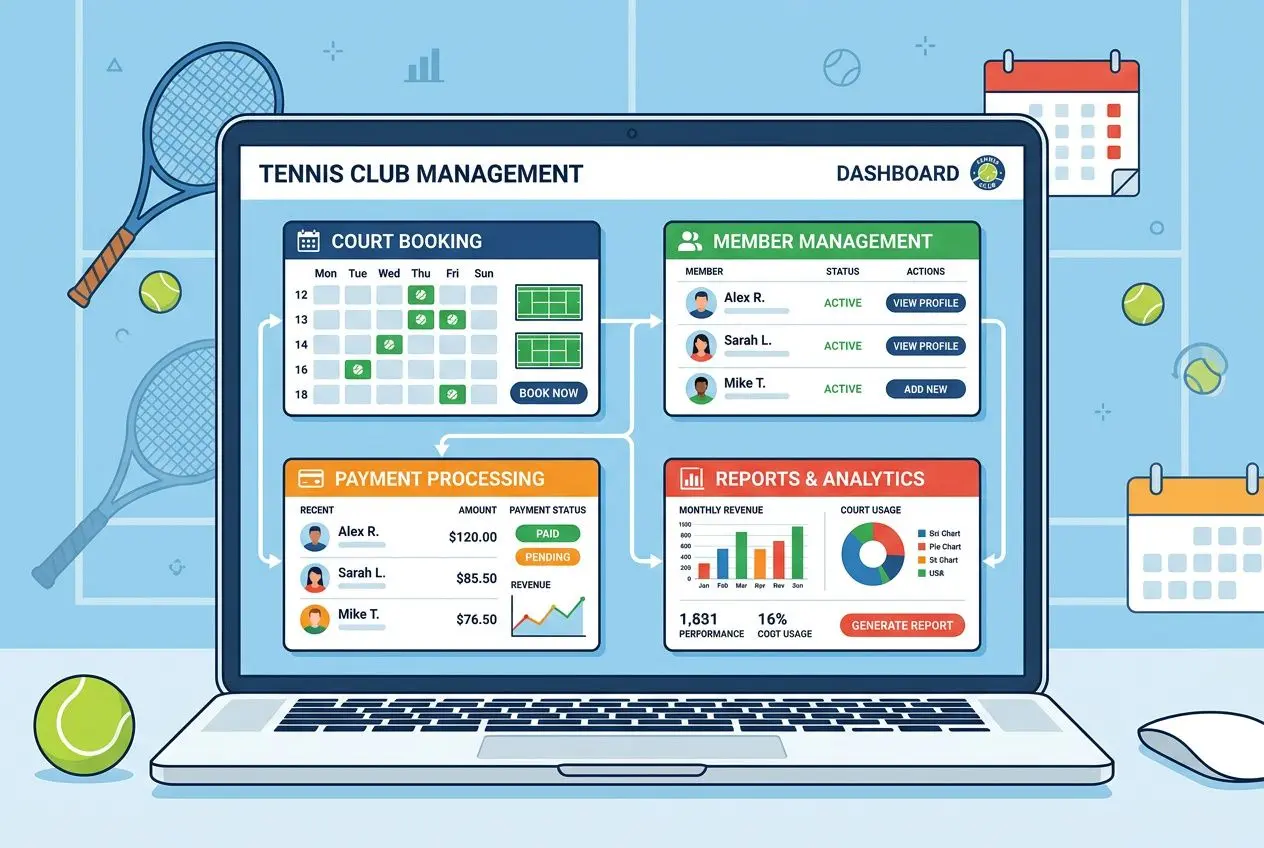
Key features every club management software must include
Tennis club management software that fails to automate billing alongside real-time court availability creates more administrative burden than it removes. These core functions are non-negotiable for any facility collecting subscriptions and running regular coaching sessions. Standalone tools that do not communicate with one another will drain your week.
- Court booking system: Real-time availability, double-booking prevention, and self-service tennis court booking for members through a dedicated web or tennis club app interface.
- Membership management: Club membership management records, renewal tracking, and member management communications must live in one central database—never split across multiple spreadsheets.
- Payment processing: Recurring subscription payment functions, one-off court rental fees, and automated retry logic for failed transactions, all backed by accurate financial tracking.
- Reporting: Clear financial reports detailing income and overdue balances, generated instantly without manual data export.
Financial systems explicitly linked to your court booking data are the standard you should demand. Invoices and coach activity logs generate automatically from completed sessions, bypassing manual reconstruction entirely. That single integration point cuts administrative overhead significantly, freeing your front desk to actually interact with players.
| Feature | Basic platforms | Full club management systems |
| Court booking | Manual or basic calendar | Real-time, self-service, role-based |
| Membership management software | Spreadsheet or standalone CRM | Integrated member portal with self-service |
| Payment automation | Manual invoicing | Recurring billing with retry logic |
| Attendance tracking | Paper registers | Auto-generated digital registers |
| Tournament management | Not included | Bracket generation, live standings |
| Pricing flexibility | Fixed rates only | Dynamic pricing by session type and member tier |
| Mobile access | Desktop only | iOS and Android with offline mode |
Payment security and GDPR compliance in tennis software
A club manager who discovers a digital breach exposing players’bank details spends weeks managing the fallout—usually realising too late that their management software lacked PCI DSS Level 1 certification. That specific certification is the highest payment processing security standard available. Verify this compliance before signing any vendor contract, not after an incident occurs.
GDPR compliance carries equal weight for UK and European operators using any tennis software. Your players must be able to view, edit, and download their personal data directly through the platform. A tennis club management system that fails to provide a member-facing data portal leaves your business exposed to serious regulatory fines. Always implement role-based access controls to restrict staff visibility to necessary records only.
How to evaluate and implement a new management software
Standard trial periods run from 14 to 60 days; use that window to test genuine daily workflows, ignoring pre-packaged vendor demos entirely. Book a session, process a subscription, and pull a forecast using the membership management software. If completing those basic actions requires navigating past three screens, the system is too complex and will face immediate resistance from staff.
Migrating to a modern tennis club management platform takes one to four weeks, depending on database size. The safest rollout is strictly phased: launch the scheduling calendar first for an immediate operational win, follow with data migration, then activate automated billing last. Phased implementation allows easy rollbacks; a full simultaneous switch invites chaos.
Club management software with an intuitive interface and reliable support consistently outlasts technically heavier, poorly supported alternatives. If your coaching team refuses to log into the application, its advanced feature list is worthless. Demand direct references from facilities that match your exact size before committing your budget.
Running tournaments and maintaining your tennis club courts
A collapsed tournament draw or a slippery baseline damages a tennis club faster than any slow booking system. Members notice court conditions and event organisation immediately. Fixing these issues requires systematic planning—not reactive patching on a Saturday morning.
Tournament planning within your tennis club operations
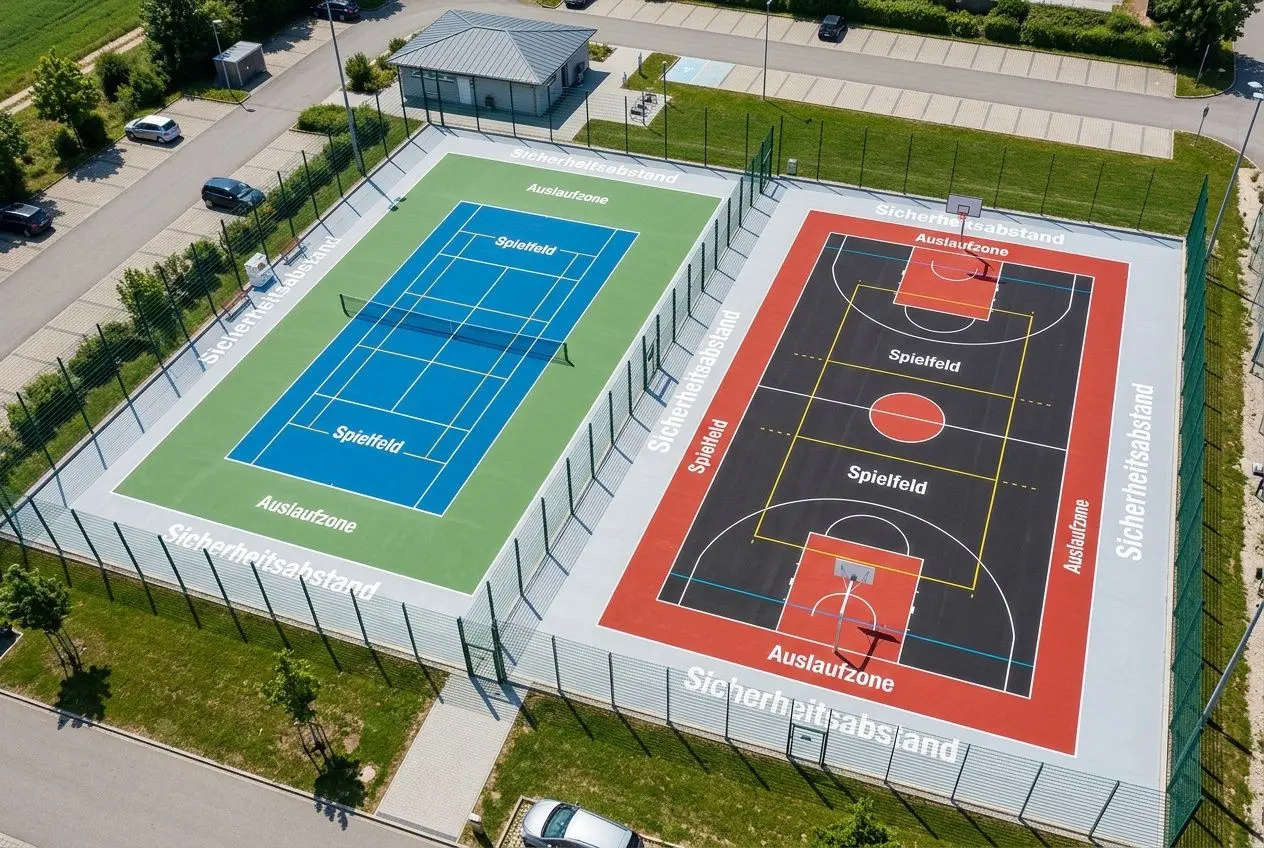
Solid tennis club operations treat every playing surface as a strictly scheduled resource. Managing multiple tennis courts during a 32-player draw means planning exactly 31 matches—roughly 12 hours of continuous play across six courts. Smart scheduling builds in buffers for three-set matches and sudden rain delays.
- 12-week planning horizon: Secure your venue and lock in council permits three months out. Late paperwork cancels more events than heavy rain.
- Registration window: Open registration six weeks prior and close it early. This leaves enough time to build the draw and handle late withdrawals.
- Committee structure: Appoint one tournament director with final authority alongside two supporting members. Shared leadership creates chaos during tight weather delays.
- Format matching: Use single elimination for 32-plus entries, and round robins for 8 to 24 players. Mismatched formats leave your courts sitting empty.
Check the tournament organisation guide at the 12-week mark to confirm staffing and draw logic. Drag-and-drop tools let you adjust matches instantly when the weather turns. Lock in your digital brackets a full week before the first serve.
Court maintenance routines every tennis club should follow
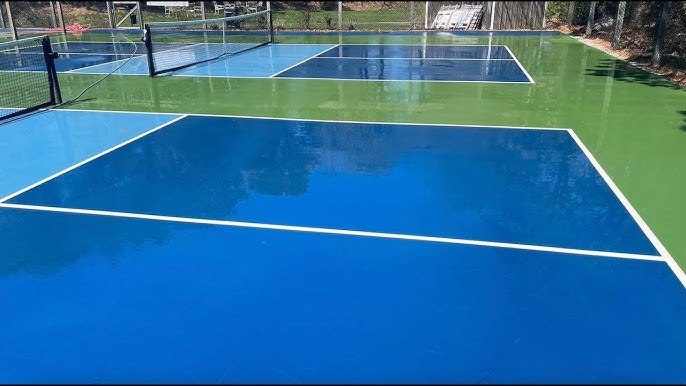
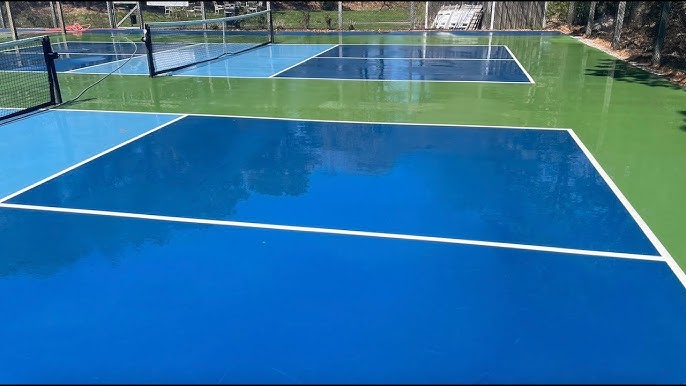
A digital tennis club scheduling system fails instantly if the actual courts are unplayable. Ten minutes of daily sweeping and checking the centre net height prevents long-term surface damage. Wet leaves left on acrylic overnight destroy surface traction within a few weeks.
Unwashed outdoor acrylic loses 30% of its friction after five years. A weekly low-pressure rinse removes embedded grit before it turns abrasive and wears down the paint. When annual patching costs exceed £2,000 per court, stop repairing and schedule a full resurfacing.
Scoreboard solutions to boost visibility and club branding
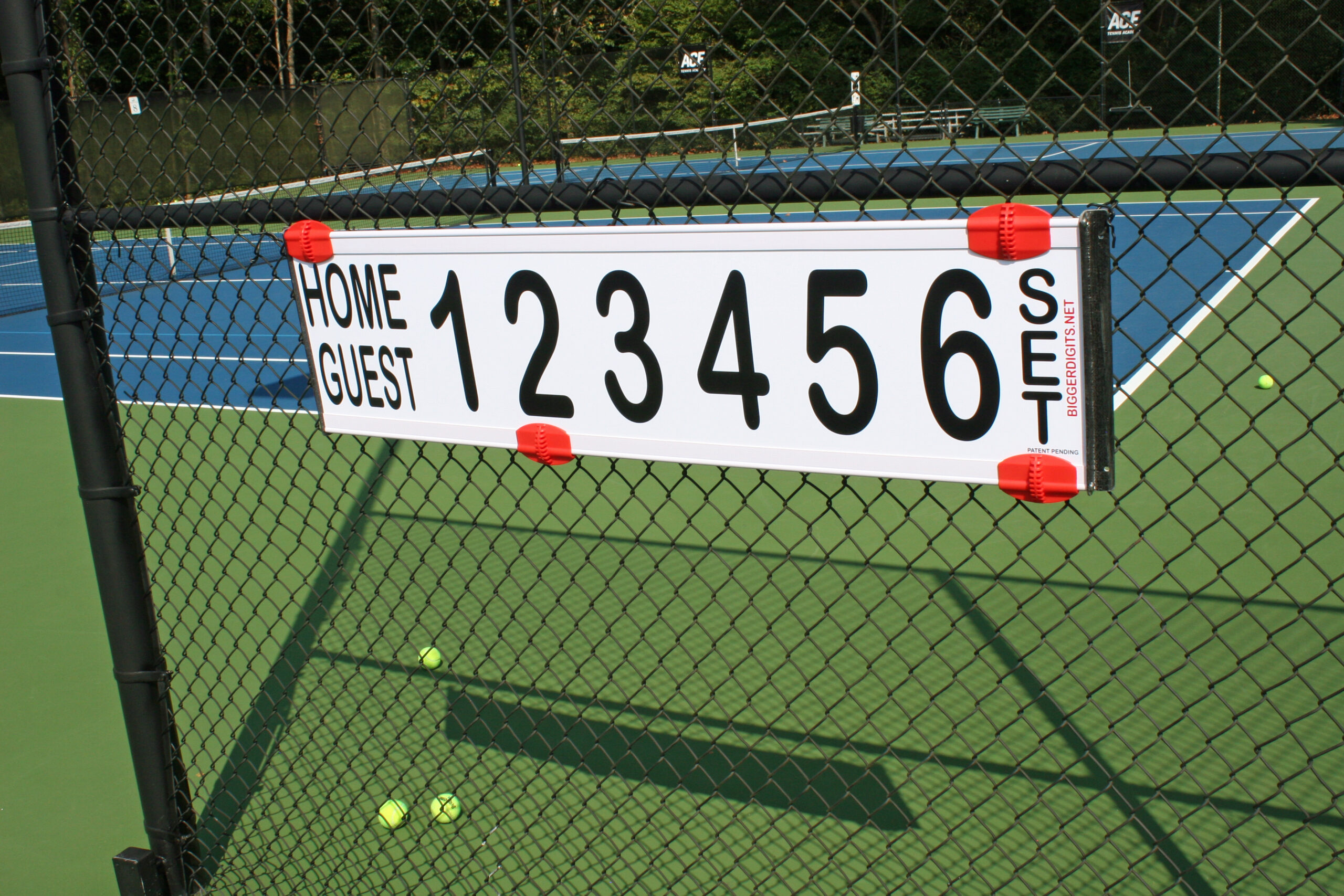
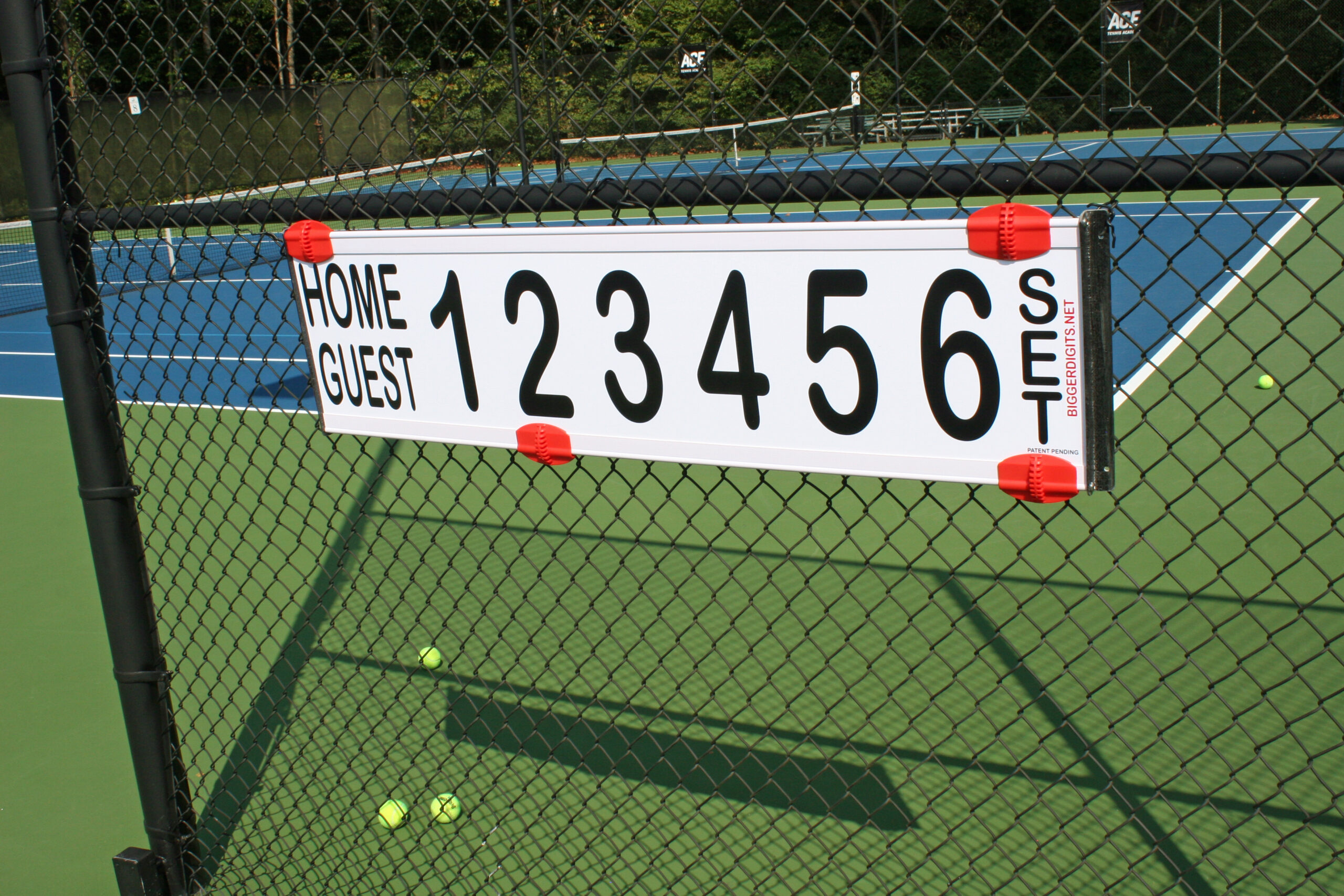
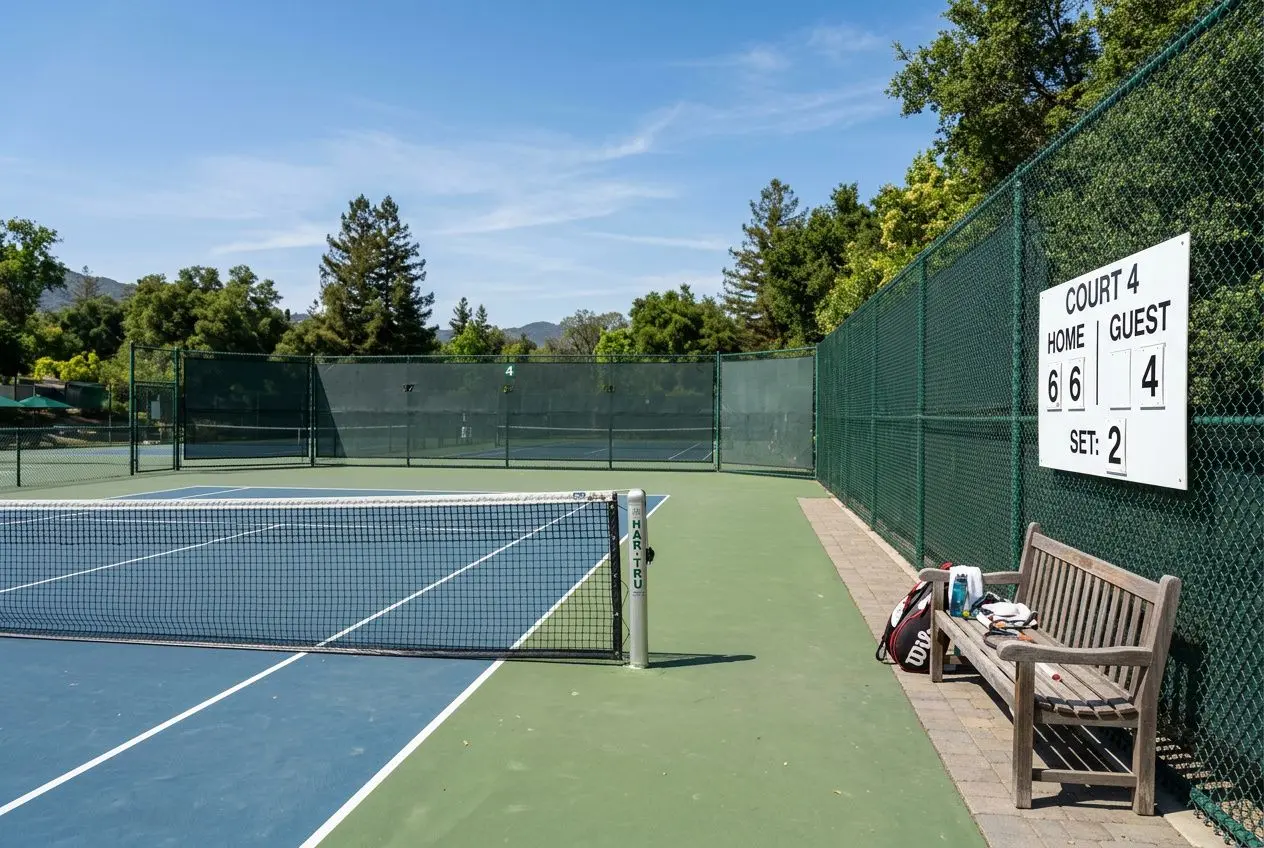
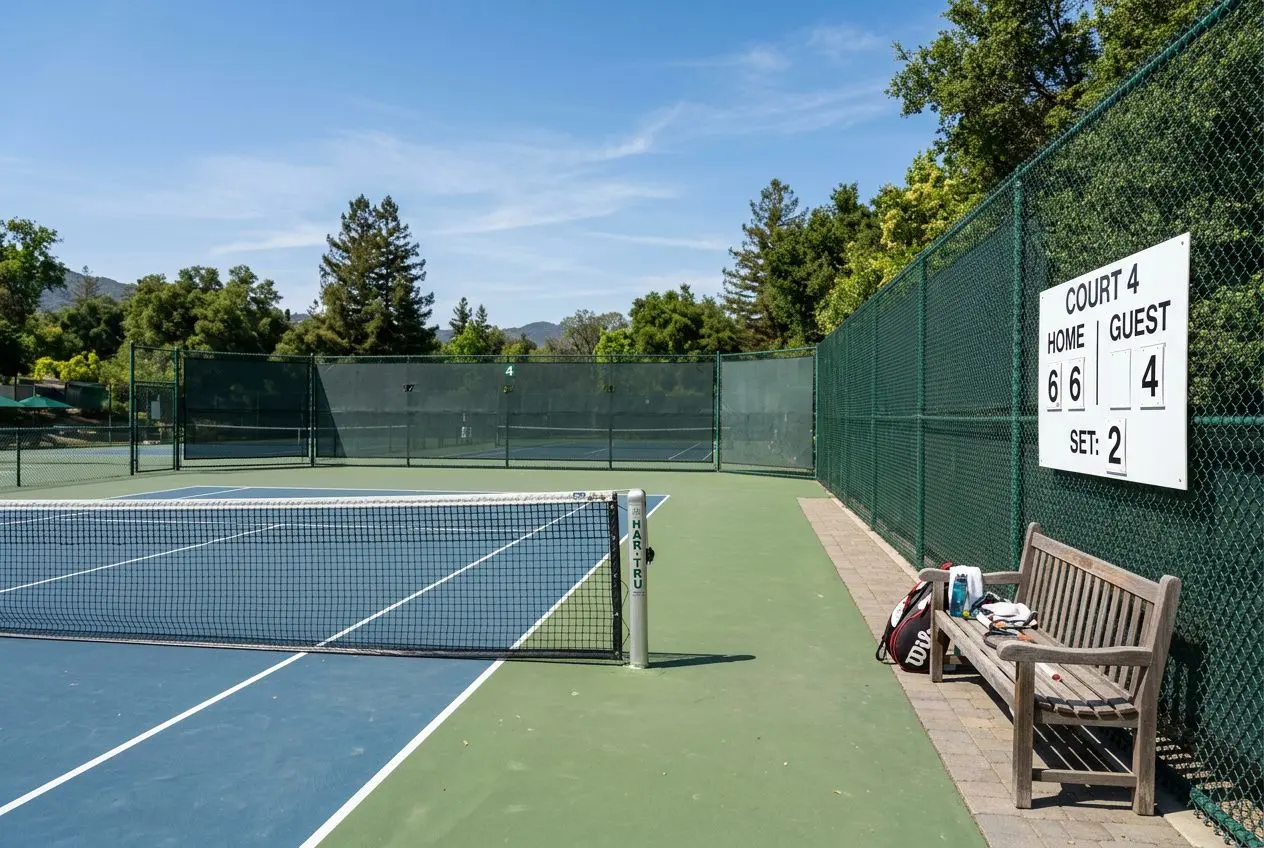
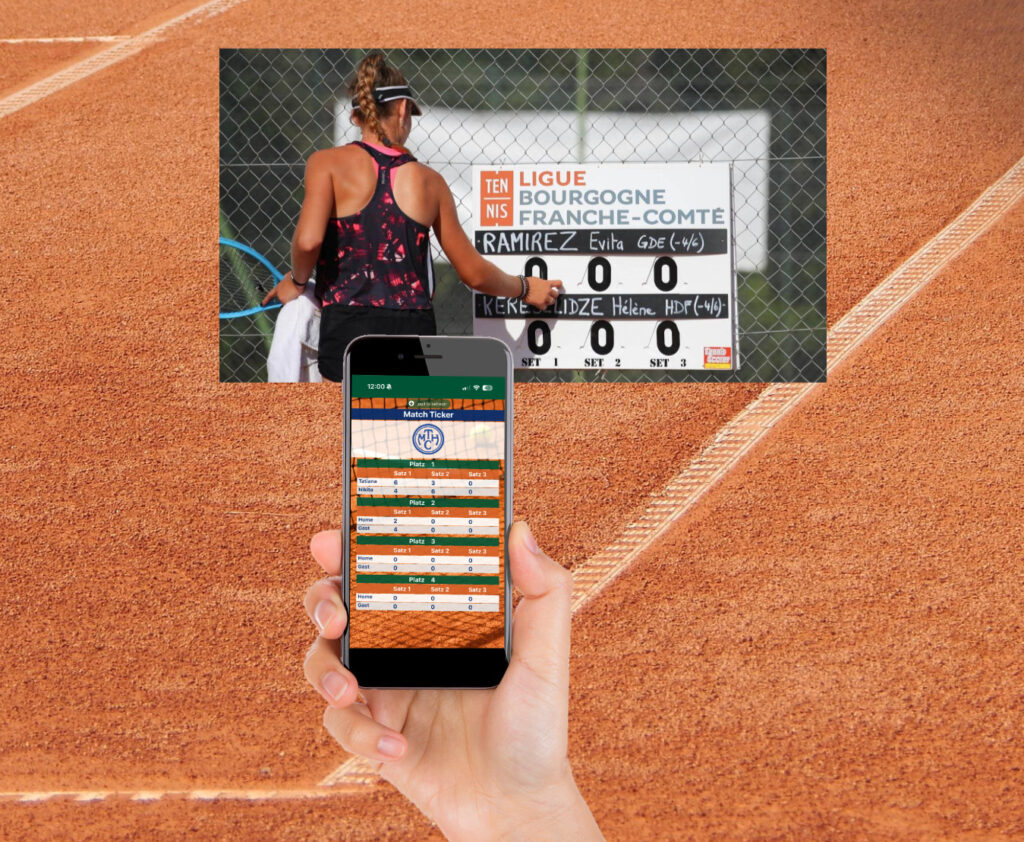
A standard tournament scoreboard must display set status legibly from 50 metres away. Tennis Scorer’s rot-proof PVC boards use 10 cm characters to achieve this without any electrical supply. The 60 × 60 cm panels stay on your fence year-round, eliminating the hassle of winter storage.
The built-in 56 × 17 cm advertising zone includes a custom sponsor sticker at no extra cost. Pair these physical panels with a web platform for remote updates. For exposed outdoor courts: fixed PVC boards guarantee zero maintenance, leaving complex scoring apps to the referee’s smartphone.
Frequently asked questions
What is the best tennis club management software for a UK club?
High-volume court scheduling demands tennis club management software built around real-time booking availability. Clubs where membership management is the priority need a platform with automated billing and a secure club membership management portal. Require PCI DSS Level 1 certification from any management software that handles payment—then run your daily workflows through it before committing to a long-term contract.
How do I reduce member dropout at my tennis club?
Weak member retention at a tennis club almost always traces back to operational friction—clunky court booking being the main offender, not the quality of play. A growing club membership needs dedicated club management software to keep scheduling smooth and eliminate administrative bottlenecks. Aim for an 80% annual retention rate by overhauling the digital experience and pairing new members with established players from day one.
How much does tennis court maintenance cost per year?
Consistent in-house maintenance runs around £300 per court annually—covering daily debris clearance and monthly crack inspections. Sound tennis club management tracks these costs closely: once annual repairs reach £2,000, resurfacing is the only sensible option. Budget separately for professional deep washing every 18 months to protect your broader club management overheads.