
Table of Contents
- Planning your tennis club from vision to business plan
- Choosing the right location and building your facility
- Setting membership fees and building multiple revenue streams
- Running daily operations with the right management software
- Building a coaching brand and retaining members long-term
- Frequently asked questions
This step-by-step guide covers every stage of starting a tennis club, from early planning and financial preparation through to daily operations. It brings together the decisions that shape a viable tennis club business: legal structure, membership, coaching, the tennis club facility, pricing, and the systems that control running cost over time.
Planning your tennis club from vision to business plan
Whether the venue targets competitive players or the broader community will shape court mix, pricing tolerance, and the service model required to reach break-even.
How to assess local demand before launching
That first strategic choice needs evidence behind it. Market research within a 5-mile radius is the right starting point: face-to-face questionnaires with 50 to 100 people across different age groups help identify interest levels, preferred court surfaces, likely membership demand, and acceptable price points.
From that point, the numbers can be translated into a realistic tennis club business plan. If 8 out of 50 respondents express interest and 15,000 people live within the catchment area, the potential target market is about 2,400 people, a useful base for demand estimates, financial projections, and wider tennis market positioning.
Choosing the right legal structure and business model
Once demand is confirmed, the legal structure becomes the next practical decision. Legal structure determines liability exposure, tax treatment, and how easily the business can attract outside capital.
- Limited liability company: combines liability protection with management flexibility, and is the most common structure for an independent tennis club business.
- Corporation: suited to facilities with multiple owners or those seeking external investment capital from the outset.
- Sole proprietorship: the simplest setup, but one that leaves the owner fully exposed to personal liability and can restrict funding options.
With the legal structure in place, the business model should follow the same logic. Membership-led structures create recurring income, pay-per-use attracts more casual demand, and a hybrid model can balance both while reducing exposure to seasonal swings.
What a strong tennis club business plan must include
A strong club business plan should begin with an executive summary, then move into competitor analysis: local facilities, court numbers, surfaces, pricing, and player-to-court ratios, with one court per 250 tennis players used as a practical benchmark.
The financial section needs precision. Start-up costs, cash flow, profit and loss forecasts, break-even timing, available capital, and likely investment requirements.
In practice, fixed monthly overheads often sit around £22,000. At a 55% blended contribution margin, the business plan would need roughly £40,000 in gross monthly revenue to break even, which equates to around 267 paying members at an average spend of £150 and gives a clear view of running cost pressure.
Membership alone is rarely enough, so forecasts should include coaching, court hire, merchandise, and events, with short- and long-term targets expressed as revenue figures or member counts, not narrative descriptions.
Choosing the right location and building your facility
Location shapes demand long before the first membership is sold. Strong transport links, adequate parking, proximity to schools or housing, and visible positioning all affect how easily people find and use a tennis facility.
Site selection criteria and planning permission
Tennis court construction costs can shift sharply with ground conditions, surface choice, drainage needs, and lighting, so the site should be assessed before any purchase or lease commits capital.
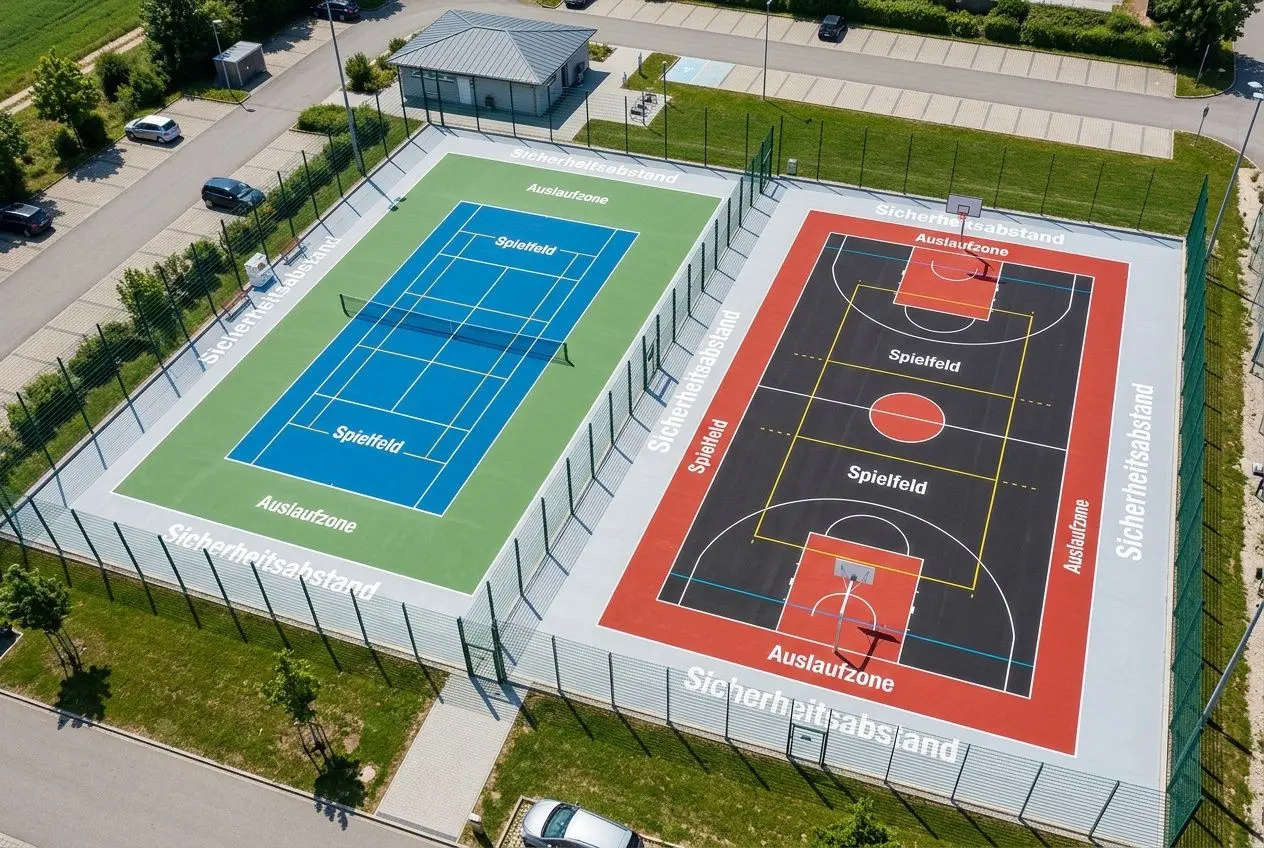
A single outdoor court needs roughly 200 m² including run-off space. A larger tennis club facility with several courts and a clubhouse usually needs 600 to 1,000 m². Early discussion with the local authority helps confirm sports-use zoning and whether floodlighting is likely to be accepted before further investment is made.
- Zoning and land use: confirm that the site is allocated for sports use and that floodlights will not create conflict with nearby homes.
- Planning permission scope: approvals may be needed for fencing, usually 3 to 4 metres high, glass walls, lighting systems, and clubhouse infrastructure, so those timelines need to sit inside the project programme.
- Transport and visibility: direct public transport, on-site parking, and a clear location remain consistent drivers of membership across different club sizes.
Complete applications supported by accurate technical drawings are the most reliable way to avoid the revision cycles that push back procurement and groundworks.
Tennis court construction costs and surface choices
With the site defined, the next issue is budget. Tennis court construction costs vary widely by scale: a professionally built outdoor court typically costs £45,000 to £80,000, a modest 2 to 3 court tennis facility starts at around £150,000 to £250,000, and a scheme with six outdoor courts plus two indoor courts can exceed £730,000 in initial capital, with payback of roughly 53 months on membership income alone.
Surface choice is inseparable from long-term maintenance cost. Clay produces slower play but needs regular upkeep, grass is faster and expensive to maintain, and a hard court offers balanced performance with the lowest routine maintenance cost. An outdoor court is usually the more economical build, while indoor courts support year-round tennis sessions at a much higher initial investment.
| Surface type | Play style | Maintenance level | Relative cost |
| Clay | Slow-paced | High | Medium–High |
| Grass | Fast-paced | Very high | High |
| Hard court | Balanced | Low | Low–Medium |
Clubhouse and infrastructure essentials
A functional tennis club facility needs a reception area, changing rooms, showers, accessible toilets, lockers, and a café or lounge.
- Drainage and surfacing: sub-surface drainage channels combined with permeable finishes help prevent standing water and protect the playing surface throughout the year.
- LED floodlighting: IP65-rated or higher systems, supported by lux mapping, low-glare optics, and daylight sensors, extend usable hours and make evening tennis sessions viable without unnecessary energy use.
- Equipment provision: nets, racquets, ball machines, drag brushes, squeegees, and line sweepers should match the chosen surface from day one.
From that point, the arrival experience needs the same attention as the playing area. Clear signage and well-lit access routes from the car park to the entrance shape how the facility is judged, particularly on winter evenings.
Maintenance begins as soon as the tennis facility opens. A daily ten-minute sweep and a net-height check help prevent avoidable wear, while annual repair bills above £2,000 per court usually indicate that resurfacing is the better option than continued patching. That threshold marks the practical point at which resurfacing delivers better long-term value than repeated patching.
Setting membership fees and building multiple revenue streams
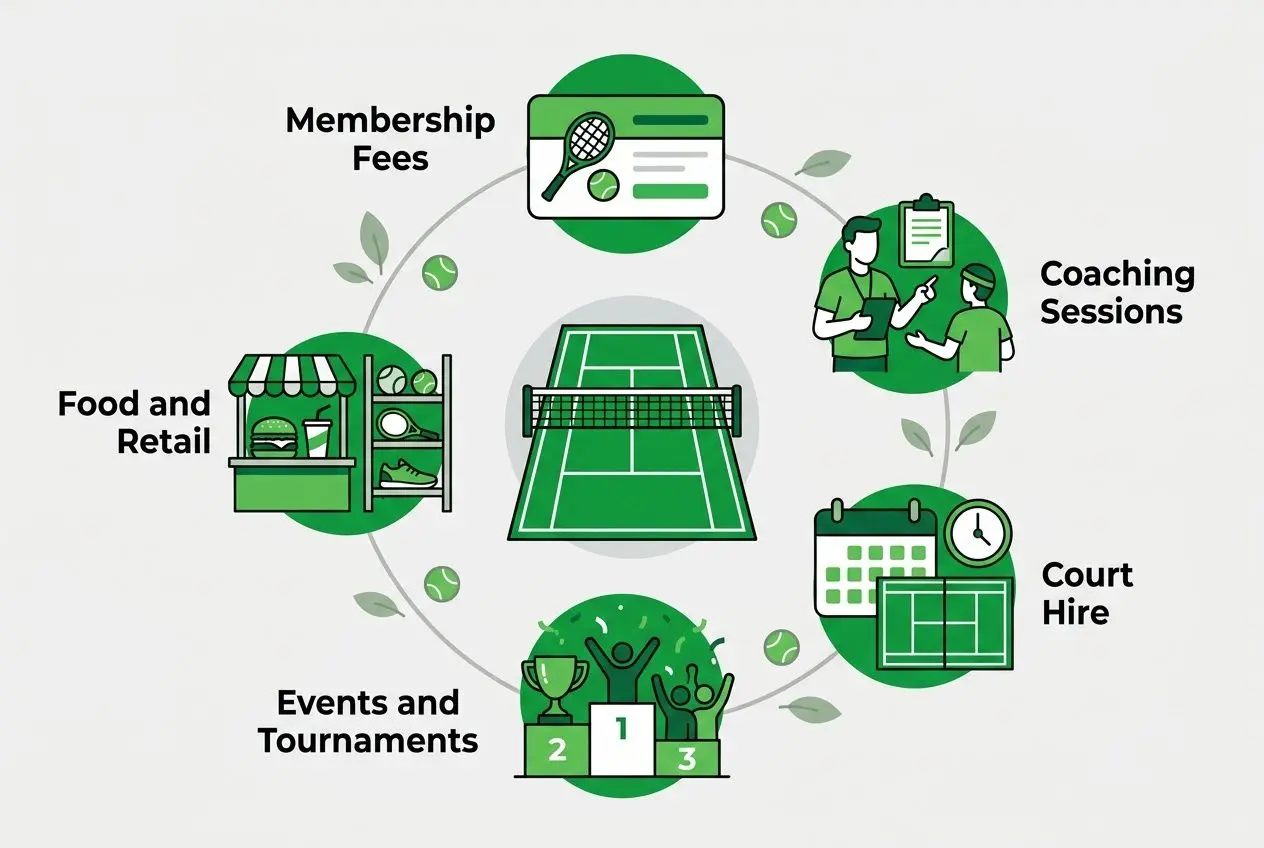
Financial sustainability requires more than full courts. A tennis club business needs diversified revenue streams from the start: membership, coaching, events and retail all help steady cash flow through seasonal swings.
How to price memberships and court fees competitively
Tennis club membership fees should reflect two things at once: local market benchmarks and the club’s own cost base. Industry averages point to an initiation fee of about £1,000 and monthly charges near £161, although 27% of clubs charge no initiation fee; for families, initiation fees typically sit between £1,000 and £4,999. In practice, the price needs to be tested against nearby facilities identified during market analysis.
- Peak-hour premium: weekday use between 5 pm and 8 pm can support a 25% premium over standard club membership access rates.
- Off-peak discount: a 15% reduction before 10 am helps fill quieter slots and improves court utilisation without eroding peak revenue.
- Tiered membership: matching usage patterns to member tiers can raise average revenue per member by 5–10% through targeted pricing adjustments.
Once that structure is in place, pricing becomes more resilient across the calendar. As a result, membership is less exposed to seasonal shifts in playing habits and less likely to lose regular players over a poor fit between usage and cost.
Coaching and events as high-margin income sources
Coaching is the clearest example: private sessions at £75 and group clinics at £35 generally outperform basic court hire, while also increasing the perceived value of membership and reducing churn among regular players.
From there, events add another layer of financial return. Tournament hosting can generate income through entry fees, food and beverage sales, and sponsorship, provided planning starts 12 weeks in advance to secure logistics, any required council permits, and draw management after registration closes at the six-week mark.
Seasonal promotions and referral strategies that convert
Once core revenue streams are in place, acquisition should favour referral over cold advertising. Incentives such as free lessons, branded merchandise or leaderboard recognition usually cost less per new member and bring in prospects who already understand the offer. The difference comes down to trust, which converts more efficiently than broad awareness alone.
- Early-bird seasonal promotions: timed around the outdoor season or junior enrolment periods, these can lift sign-ups, with staggered discounts delivering a 30% higher conversion rate than flat early-bird offers.
- Referral incentives: tangible rewards such as a free coaching session or branded kit tend to outperform discount-led acquisition and attract members more likely to stay.
- Junior programmes: structured programmes for younger players support family memberships, the highest-value category by lifetime revenue contribution.
- Review automation: post-event email prompts can lift visibility, especially given that 87% of consumers read reviews before choosing a local sports facility.
From that point, any case for external funding becomes stronger. Lenders look for predictable income across several streams and evidence that membership fees alone do not service all financial obligations.
Running daily operations with the right management software
Tennis club management is first and foremost logistical, not centred on coaching. Day-to-day work covers court booking schedules, net checks, overdue payments, and staff cover at busy times: none of it depends on coaching expertise, but all of it depends on reliable systems.
Core features every tennis club booking system needs
That operational reality shapes the software choice. A few essentials define that choice: administrative friction drives member retention in the wrong direction, and if players cannot complete a court booking in under two minutes, membership cancellations tend to follow.
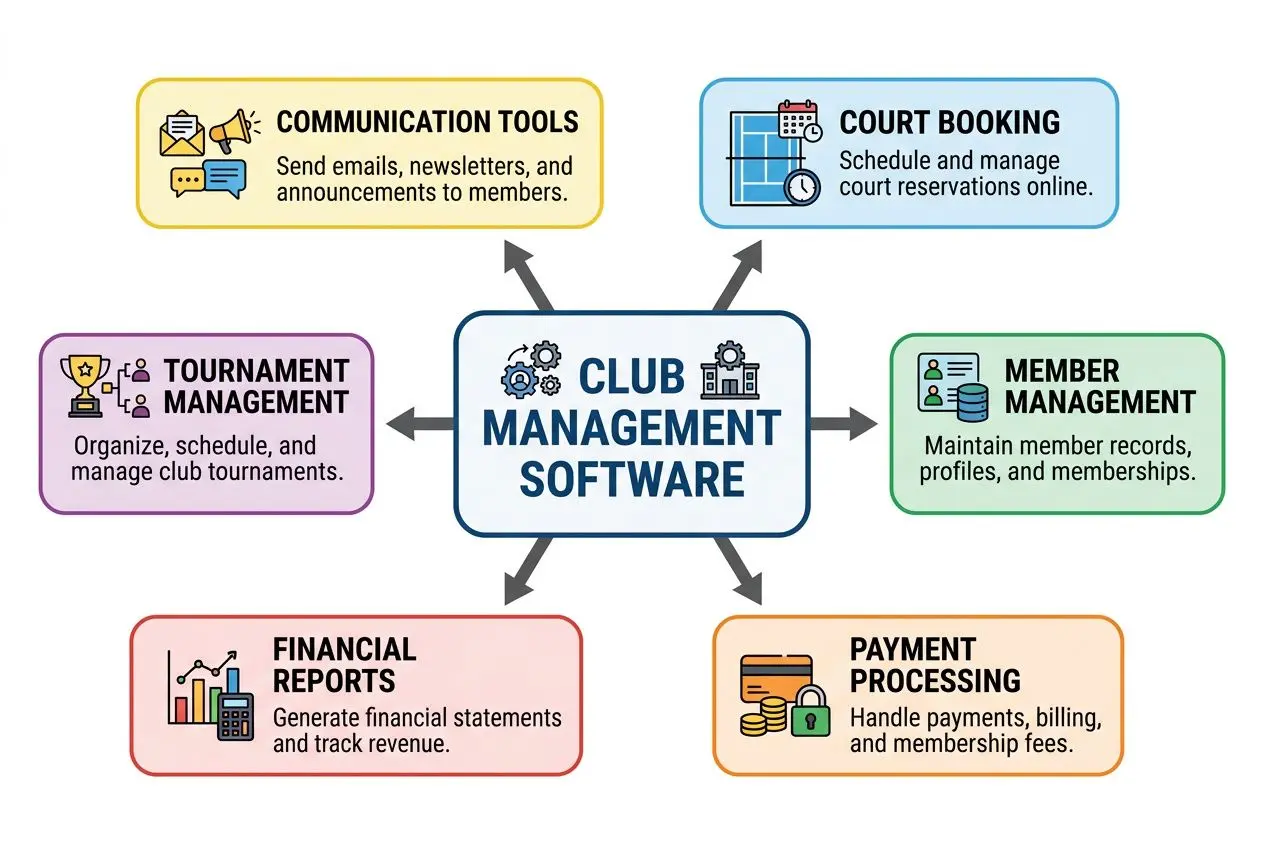
- Real-time self-service court booking: colour-coded calendars with instant conflict detection stop double-bookings across every court.
- PCI DSS Level 1 payment security: the highest standard for payment processing, paired with GDPR-compliant member portals that let players view, edit, and download their personal data.
- Automated billing with retry logic: recurring subscription processing with automatic payment retries reduces manual follow-up on failed transactions and protects monthly financial consistency.
Once those basics are covered, usability becomes decisive. Systems that need more than three screens for routine tasks usually meet staff resistance; in practice, mobile and cloud access should let club management run from anywhere on site rather than from a single front-desk computer.
Coaching tools and staff scheduling for daily operations
That same principle extends to the coaching schedule. Integrated tools let coaches log attendance, update availability, and book court time directly from court, without routing requests through reception.
From that point, a single platform supports the wider demands of club management. A detailed guide to tennis club software sets out how consolidating court booking, registration, billing, and membership administration into one system cuts double-bookings and accelerates payment collection from the first week of operation.
How to implement new software without disrupting members
Once the platform has been chosen, implementation needs to stay controlled. A phased rollout lowers risk: launch the scheduling calendar first, migrate data only after the booking system is stable, and activate automated billing last so each stage can be reversed without forcing a full restart under pressure.
Testing should reflect real daily work. Trials need to cover booking, subscription processing, financial checks, and staff routines over 14 to 60 days, because vendor demonstrations rarely show the full complexity of a live club environment.
From that evidence, consolidation becomes easier to assess. That consolidation removes the hidden cost of switching between disconnected tools, sharpens financial reporting, and gives Tennis Scorer’s unified approach a more dependable base: one system covering membership, coaching, and daily decisions.
Building a coaching brand and retaining members long-term
Creating a consistent visual identity on and off court
That foundation starts with a coherent look. Effective tennis club branding goes well beyond a logo and covers every point of contact: colours, typography, signage on tennis courts, event materials, and digital communication, all shaping how members and visitors judge the club.
Online channels usually create the first impression. Once installed on site, the visual environment either confirms that promise or weakens it, which is why the difference comes down to consistency across physical and digital spaces.
- Colour and typography standards: consistent use across court signage, printed materials, and digital platforms builds recognition and gives the facility a more professional finish.
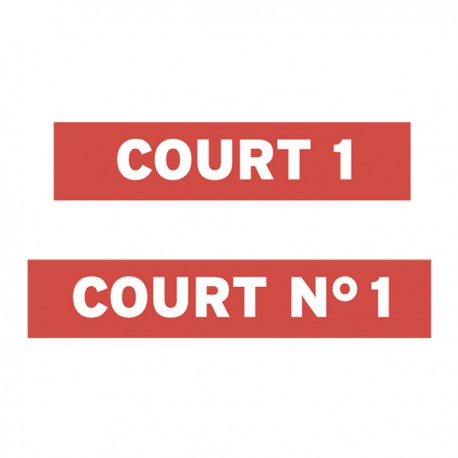
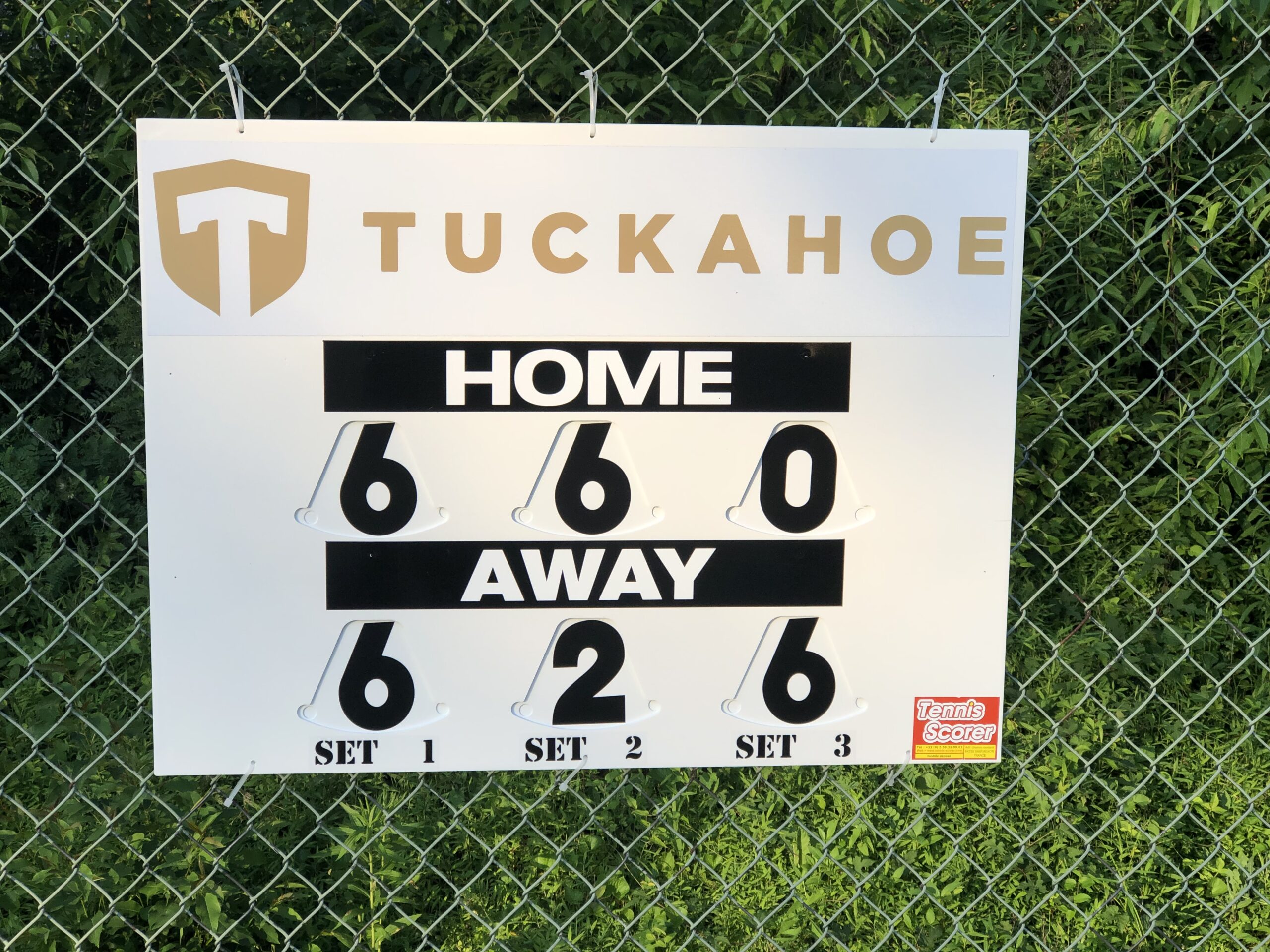
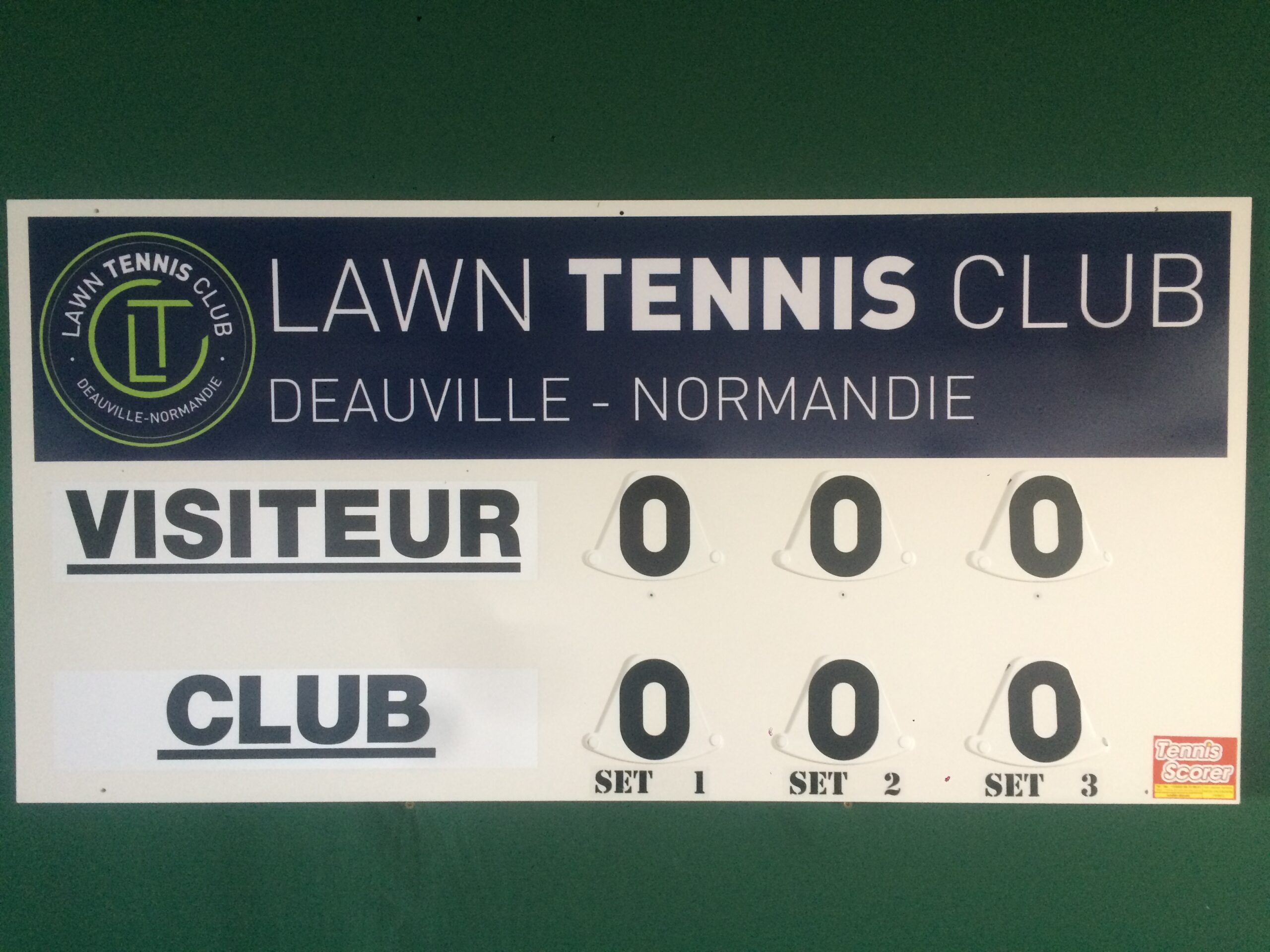
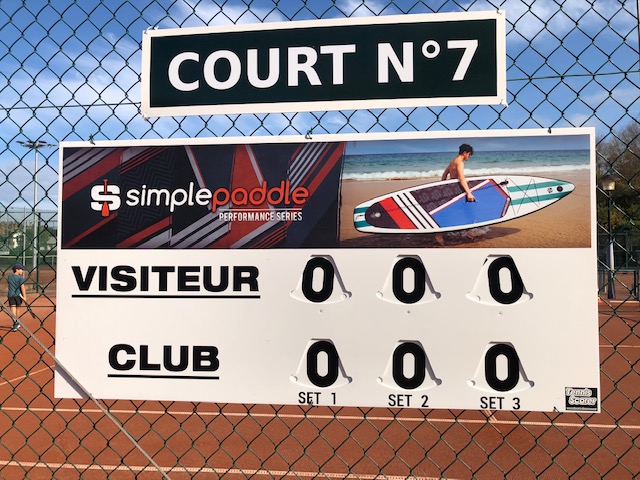
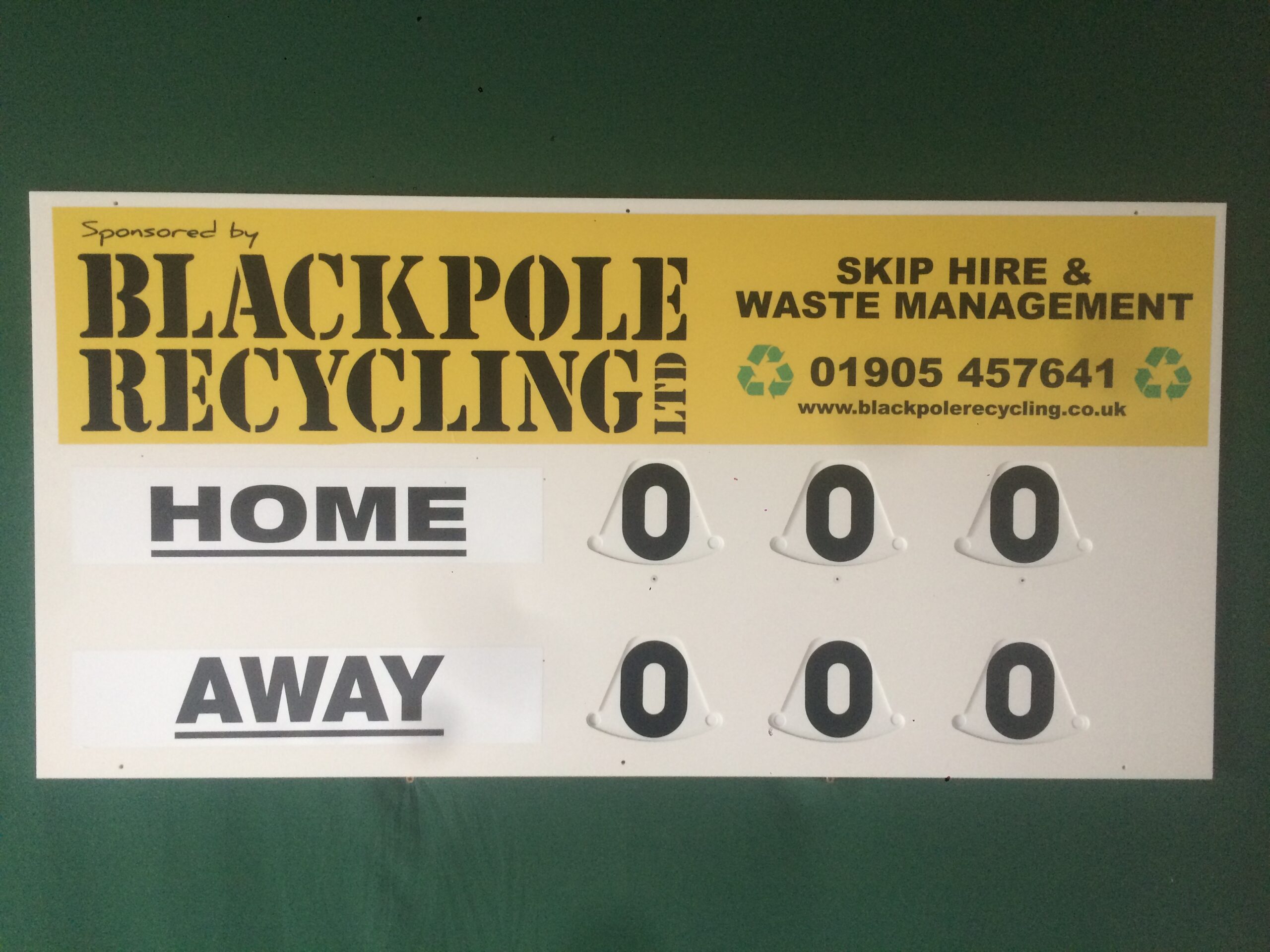
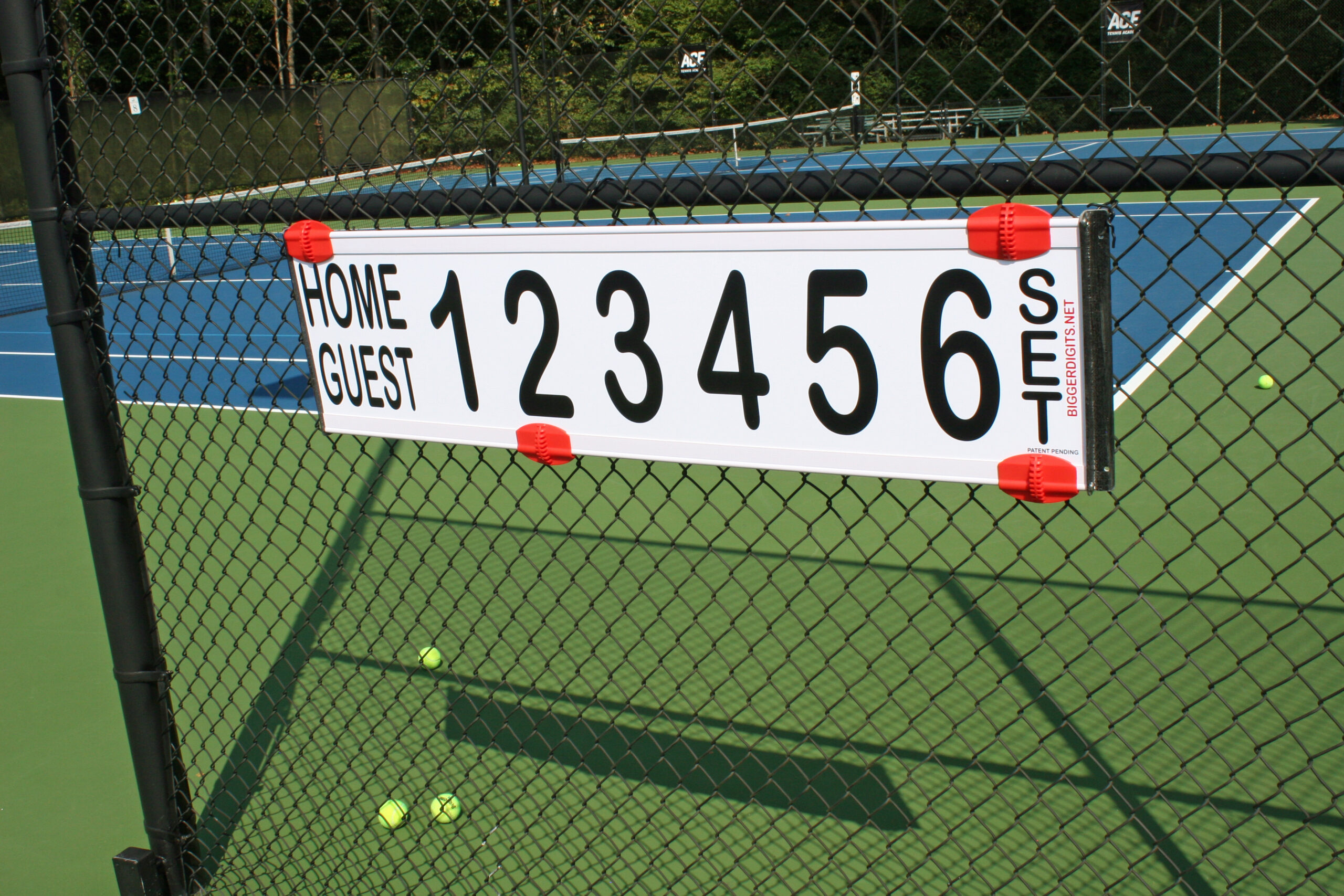
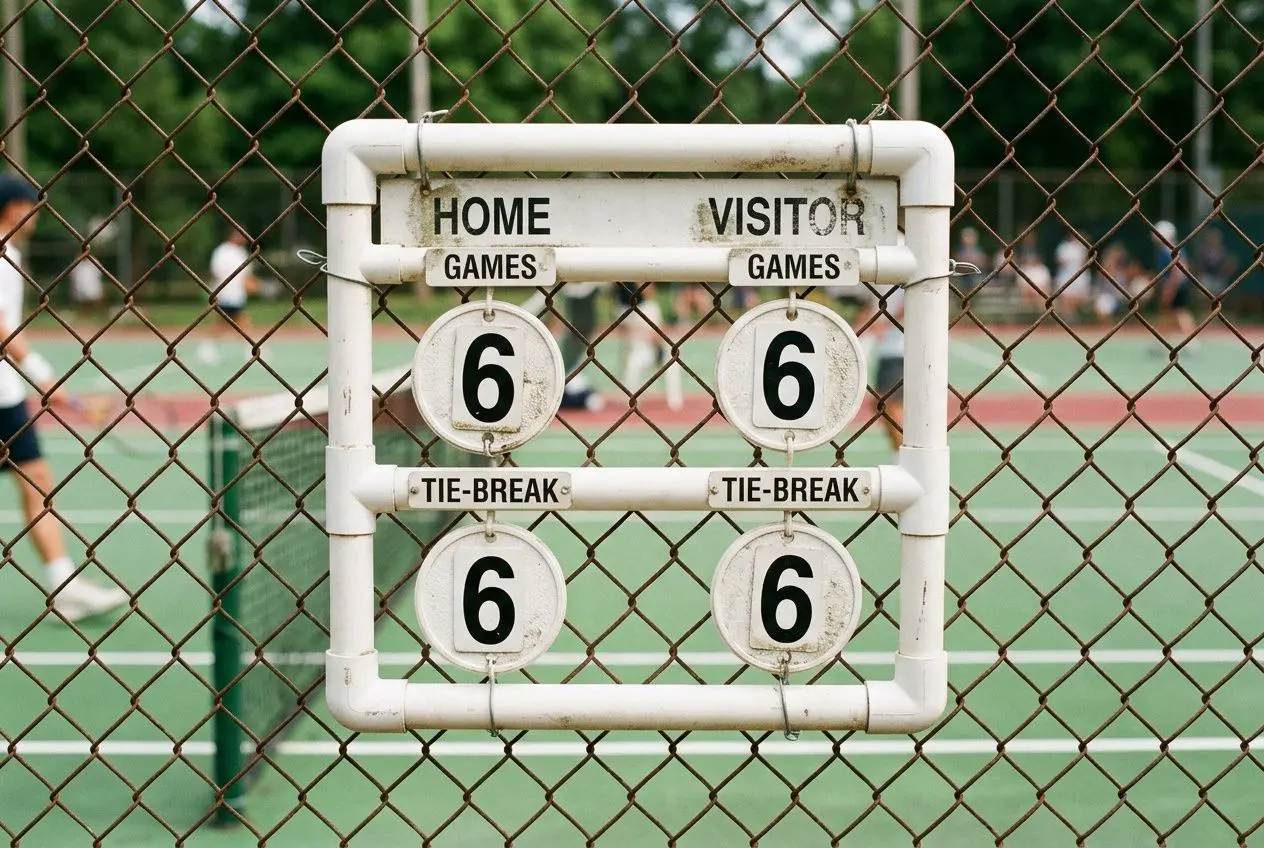
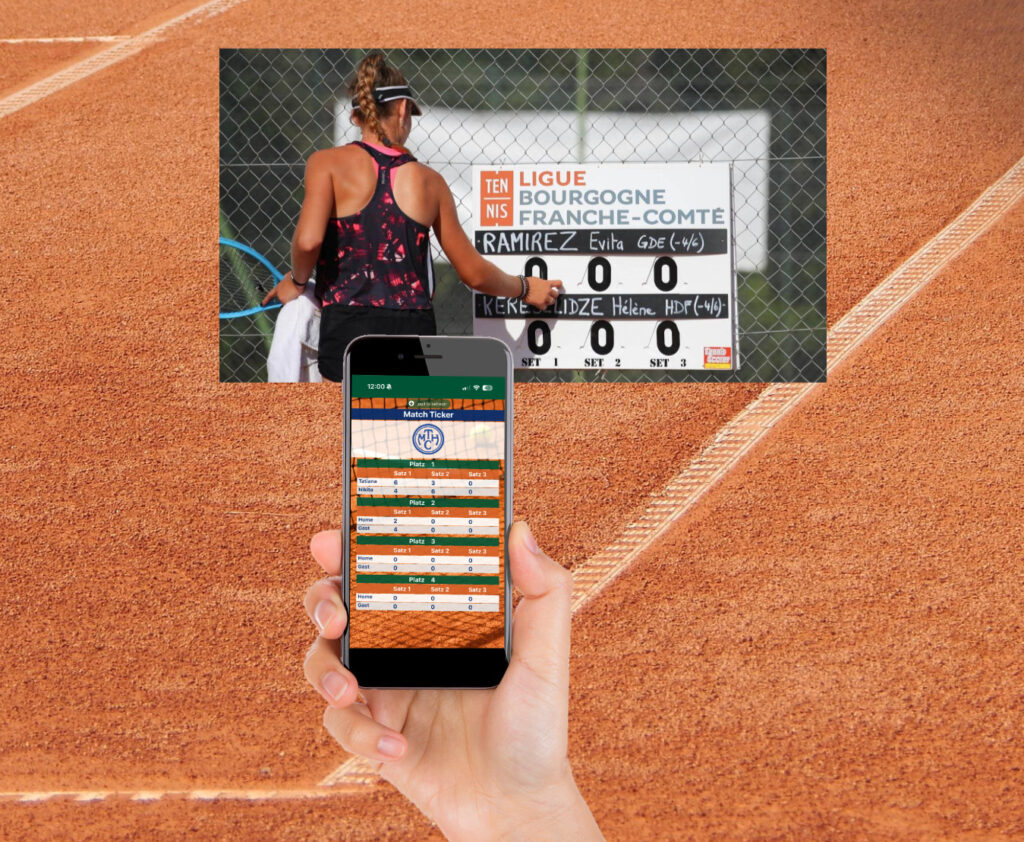
- Court-level visual discipline: scoreboards, adhesive stickers, and perimeter signage influence brand perception during practice sessions as well as organised events.
- Digital and physical alignment: matching social media headers, email design, and website visuals to on-site signage creates a seamless experience at each interaction.
- Membership documents and communications: welcome packs, invoices, and renewal notices presented with the same design language strengthen trust with new club members.
The full tennis club branding guide details how to align signage, email, local SEO, and social media into a framework that supports sustainable membership growth.
Scoreboards and court signage as branding tools
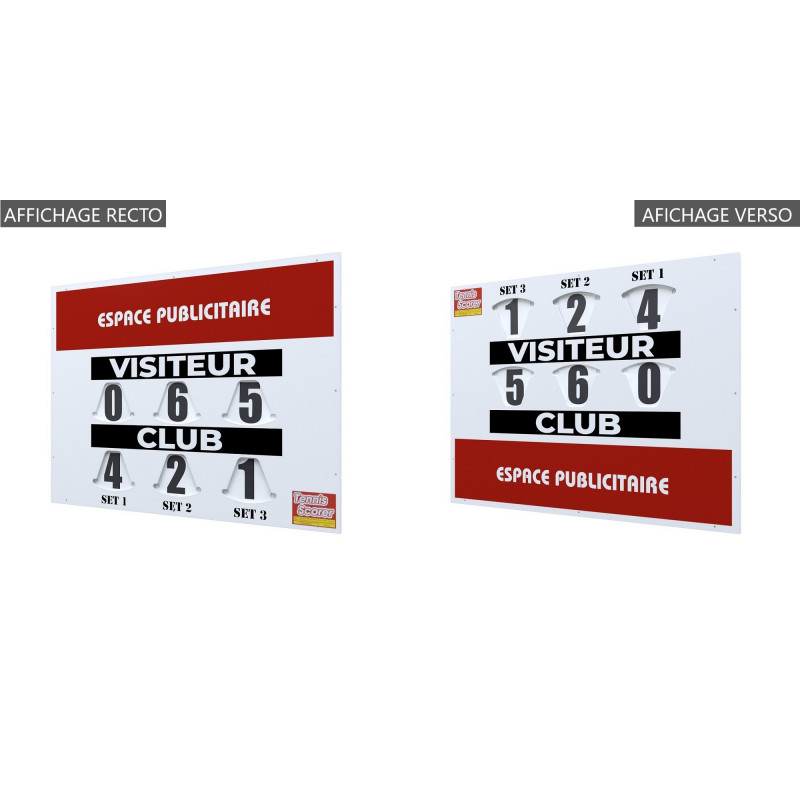
That same principle applies at court level. Physical scoreboards improve the playing experience while reinforcing branding during every match, training block, and coaching session.
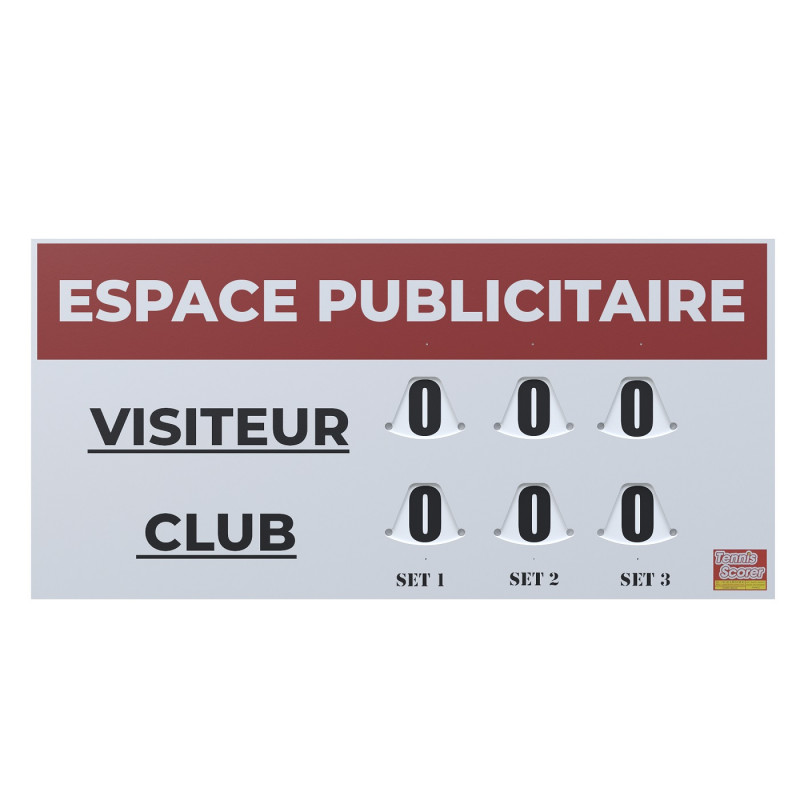
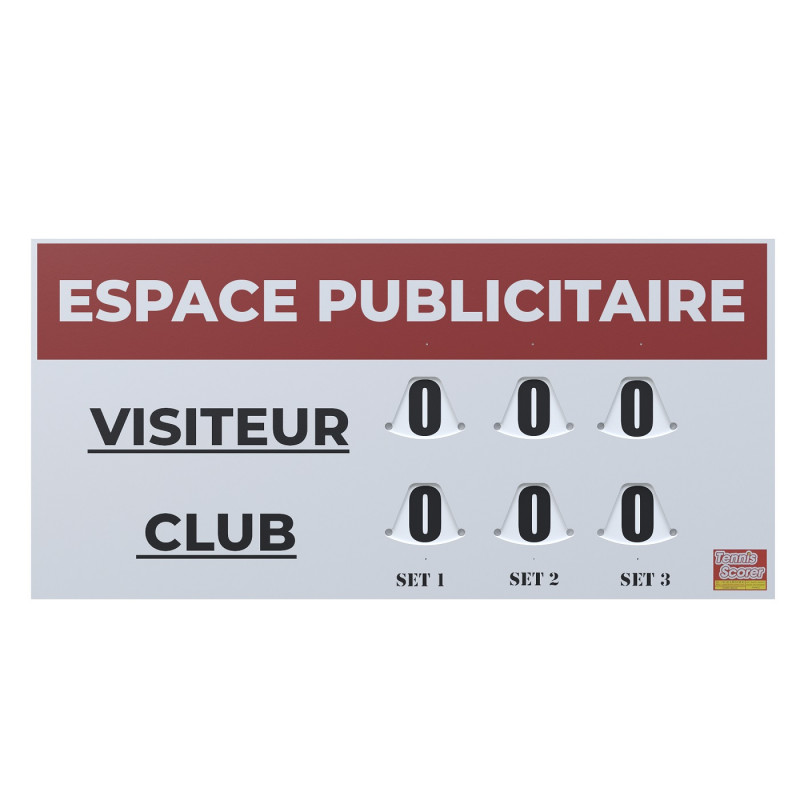
Tennis Scorer produces PVC manual scoreboards designed for year-round outdoor use: 60 × 60 cm panels, 10 cm numbers readable from more than 50 metres, and a 56 × 17 cm advertising area for sponsor or club branding. Cost sits between 300 and 600 EUR, installation takes 1 to 2 days, and the product carries a 3-year warranty.
It shows the score, supports sponsor visibility, and adds a permanent branded element beside the tennis courts, which turns everyday equipment into a practical marketing asset.
Sports-event exposure also carries commercial weight: 81% of sports consumers trust brands seen at sporting events. A durable PVC tennis scoreboard for tennis and padel courts therefore offers low-maintenance branding support, with free custom advertising stickers included to promote the venue; the full tennis scoreboard range covers options suited to establishing a club’s court identity.
Digital marketing and community strategies for retention
The numbers are clear: segmented email campaigns generate 760% more revenue than untargeted broadcasts, while A/B testing subject lines can lift open rates by up to 49%. Branded court features, including signage and custom stickers, also create natural content for social media during matches and events without requiring dedicated photography.
- Email segmentation: separate campaigns for juniors, competitive players, and social members improve relevance, reduce unsubscribes, and increase response to renewal offers.
- Community events and milestones: monthly social events, member recognition programmes, and mentorship pairings support member retention more effectively than discounted fees or additional equipment alone.
- Referral and review automation: post-event email sequences that request reviews and referrals build on existing satisfaction, with 87% of consumers reading reviews before choosing a local sports facility.
As a result, an 80% annual retention rate becomes realistic. Clubs that reach it consistently remove administrative friction and invest in coaching relationships, branding and community programming convert satisfied members into long-term ones.
Frequently asked questions
How much does it cost to set up a tennis club?
Costs vary with the scale of the project. A modest facility with 2–3 outdoor court surfaces usually starts at £150,000–£250,000, while a larger scheme with six outdoor courts and two indoor courts can exceed £730,000 in initial capital.
That figure only covers the setup. In practice, monthly running costs sit at around £22,000, which means roughly 267 paying club members spending an average of £150 each are needed to break even.
From that point, funding depends on preparation as much as budget. Lenders and backers will expect a clear business plan showing credible revenue streams across membership, coaching programmes, events, and retail, supported by sound financial assumptions and a realistic view of future investment.
What legal structure is best for a new tennis club?
The best structure depends on ownership, funding, and long-term aims. For many independent clubs, a limited liability company is the practical option: it protects personal assets while allowing flexible management.
By contrast, corporations are better suited to facilities with several owners or those looking for external investment. Sole proprietorships are simpler to establish, but they leave the owner fully exposed to personal liability.
As a result, the right structure, in short, shapes how the club raises capital, manages risk, and plans for growth.
How do you retain tennis club members effectively?
Annual retention of 80% is achievable when operations stay smooth, especially around court booking.
The biggest cause of attrition is usually friction in day-to-day use. If players cannot complete a court booking in under two minutes, many will cancel their membership rather than tolerate the hassle.
Once that system works properly, attention shifts to the club experience. Monthly social events, mentorship pairings, recognition schemes, and structured coaching keep club members engaged far more effectively than cutting fees, whether sessions are delivered on an outdoor court or across indoor courts.