
Table of Contents
This guide covers everything needed to organise a charity tennis tournament, from forming a committee and securing courts to choosing a format, managing volunteers, and increasing tennis fundraising on the day.
How to organise a charity tennis tournament step by step
Planning starts well before the event date. A practical plan works back twelve weeks from match day so deadlines stay visible, whether the aim is a community tennis fundraiser, a local tennis competition, or wider tennis club fundraising.
Fixed milestones make every subsequent decision straightforward to schedule and control: venue confirmation, volunteer briefings, and draw publication all become easier once the timeline is set early.
Building a committee and defining fundraising ideas
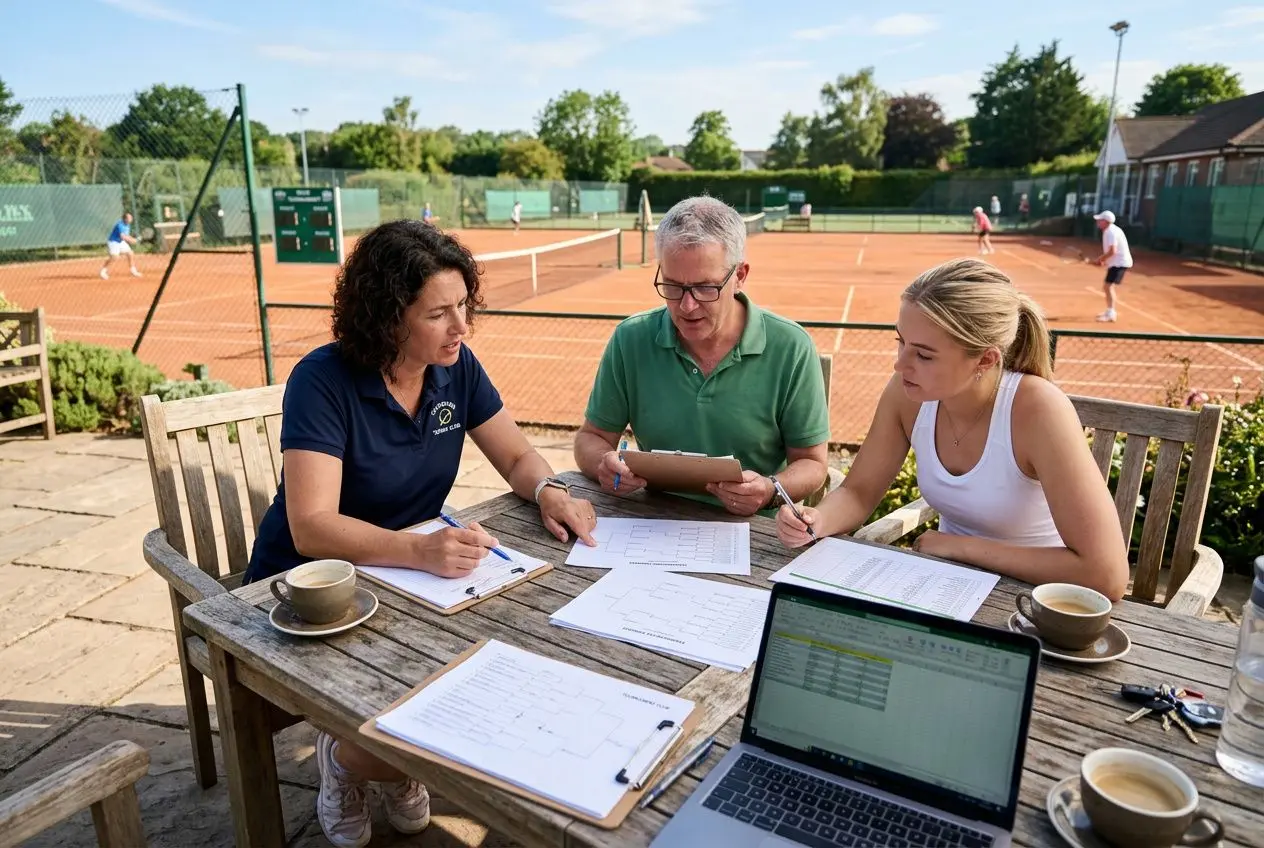
That timeline begins with the committee. Tennis Scorer recommends one tennis club representative and two independent, non-participant members, a structure that reduces conflicts if disputes arise over scheduling, rules, or results.
Roles should be clear from the outset: one tournament director holds final authority on weather delays, match order, and rule interpretations. From that point, the group can set a target donation figure, confirm volunteer capacity, define the event tone, and decide whether the day is built around social play, serious competition, or a hybrid format.
Revenue planning belongs in that first discussion. Strong tennis fundraising ideas usually combine an entry fee, spectator ticket sales, a raffle, an auction, and pay-to-play activities, each stream targeting a different audience and collectively reducing dependence on any single source.
Once those objectives are fixed, registration should open six weeks before play and close three weeks out. That window leaves enough room to build the draw, replace withdrawals, and separate divisions by standard or age before participants arrive.
Choosing a format and schedule that support tennis fundraising
With the structure in place, format selection shapes everything that follows. Problems discussed in how to organise tennis tournaments often start the same way: too many players, not enough court time, and a schedule that looked workable only on paper.
No-ad scoring cuts match duration by 15 to 20 per cent. A super tie-break in place of a full third set keeps a one-day tennis tournament on schedule and gives club fundraising more room for side activities.
The numbers matter. A 32-player singles tournament requires 31 matches: on six courts with two-hour average durations, that means twelve hours of court time before any weather allowance is added.
As a result, a 20 per cent buffer should be treated as standard for any local tennis event, especially when hosting a tennis-a-thon, a tennis tournament fundraiser, or other tennis club fundraising ideas that depend on reliable flow between matches and fundraising stations.
| Player count | Recommended format | Scoring option | Minimum courts |
| 8–24 | Round robin | Standard or no-ad | 3–4 |
| 16–32 | Draw with consolation | No-ad or pro set | 6 |
| 32+ | Single elimination + divisions | No-ad + super tie-break | 6+ |
Venue, volunteers, and on-day logistics
Once the format is set, the venue can be confirmed against real demand. Courts and permits should be secured at least twelve weeks in advance, and all match courts should use the same surface type so fairness is preserved throughout the tournament.
Evening sessions need one extra check: lighting should reach at least 500 lux before booking is finalised. Players can track the ball reliably and officials can log results without disputes over visibility.
Volunteers also need structure. Written role descriptions should be confirmed three weeks before the event, with roughly one staff member for every three to four courts during peak periods.
Once installed in the schedule, court monitors become the link between play and operations. They collect live scores, update the bracket, support the tournament desk, and keep the day moving when a large tennis tournament fundraiser runs across several courts at once.
Equipment, software, and revenue planning
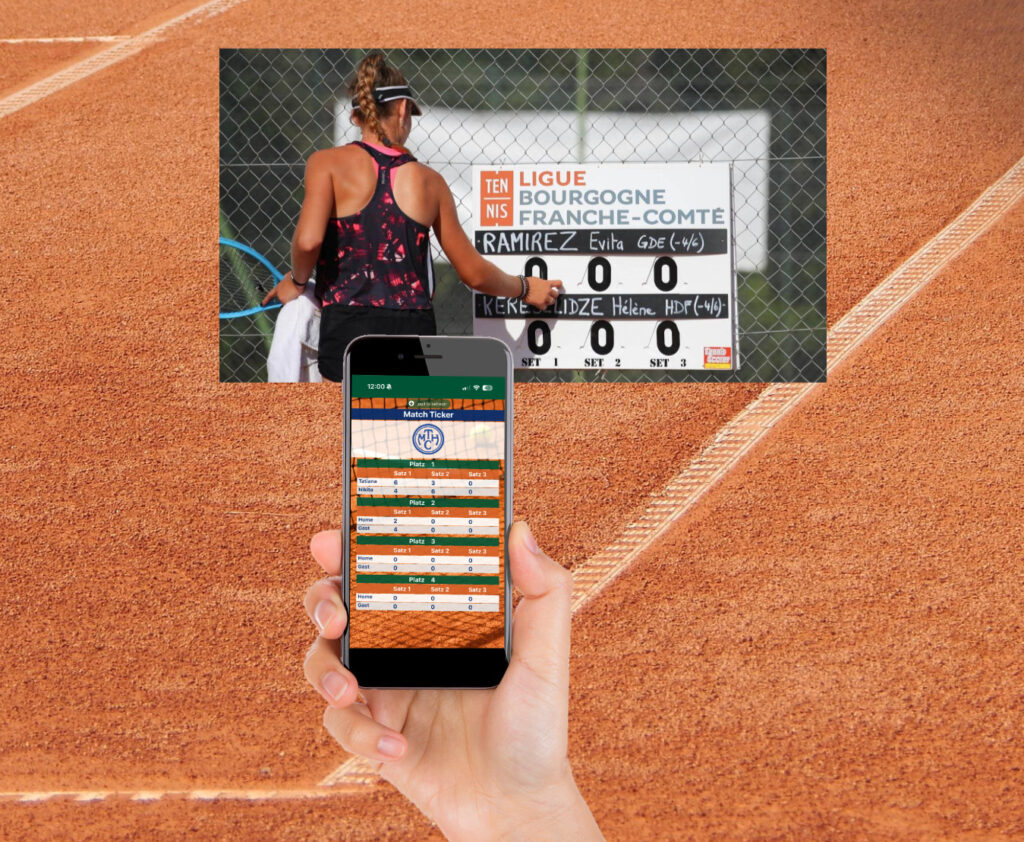
That operational flow improves further with the right equipment. Digital tournament software with drag-and-drop tools can manage registrations, withdrawals, and live updates, reducing pressure on volunteers while making the event clearer for participants, supporters, and donors.
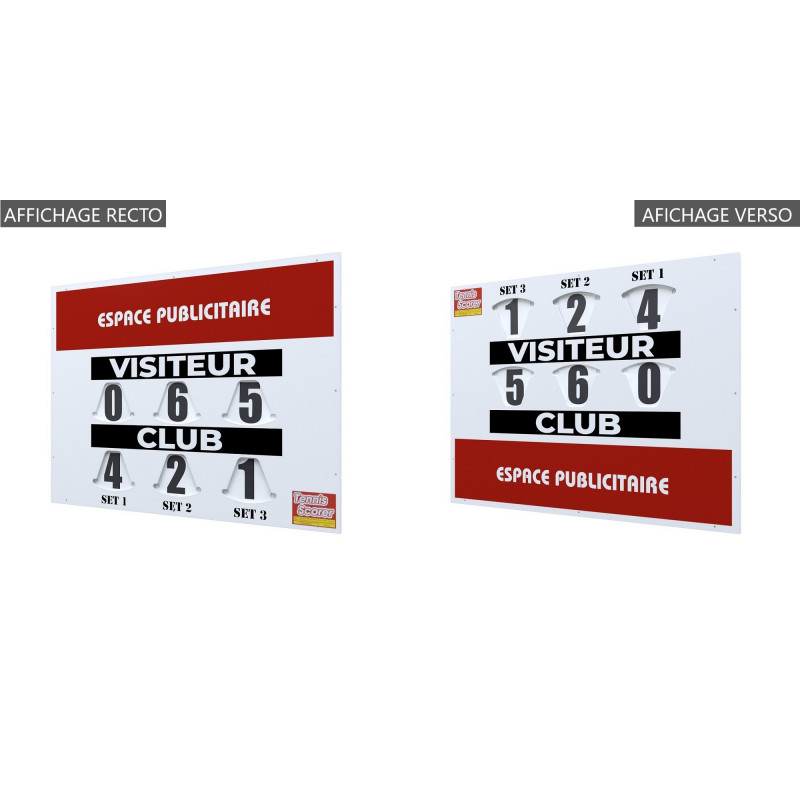
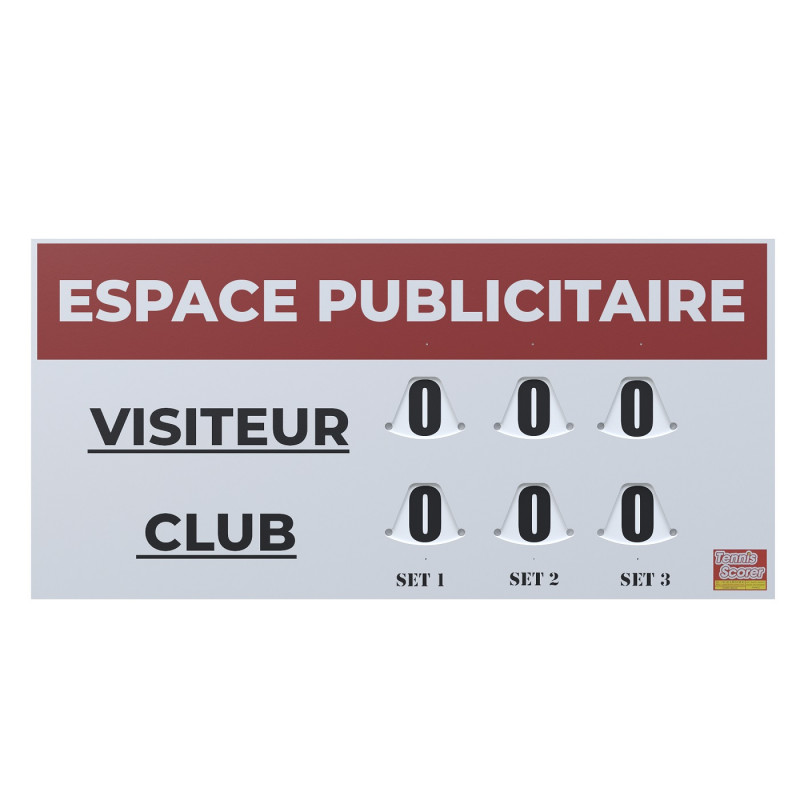
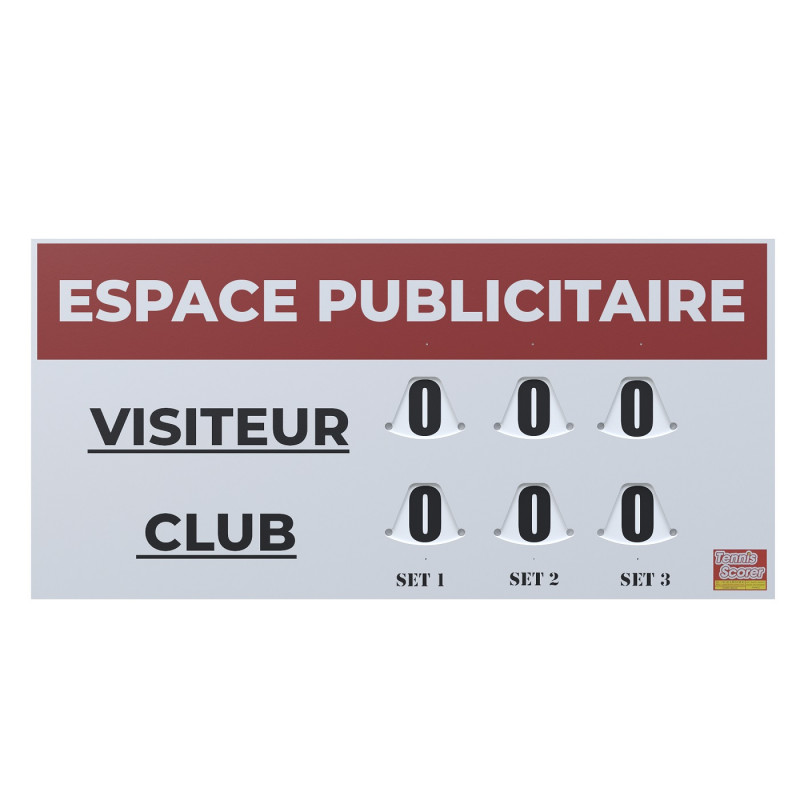
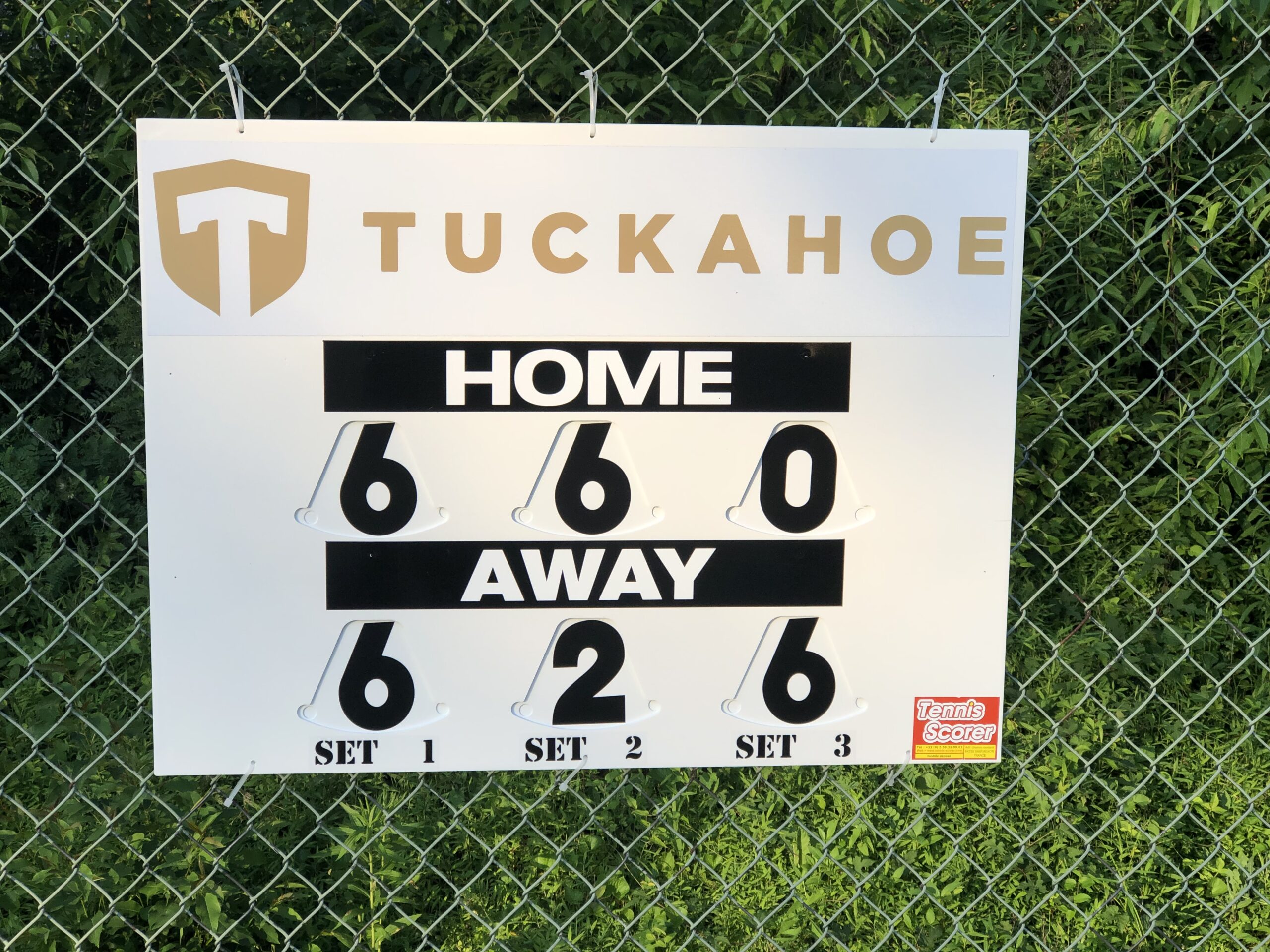
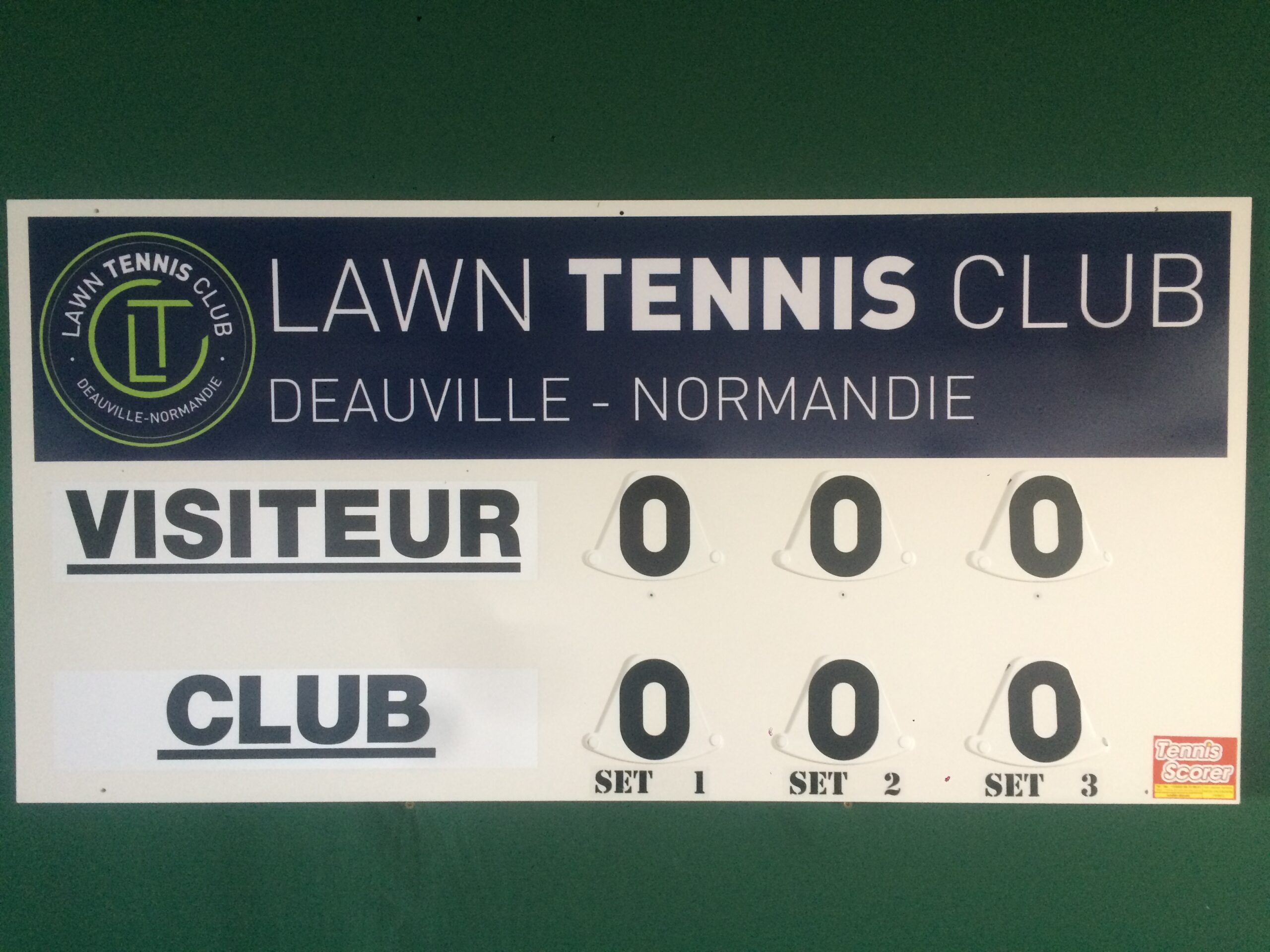
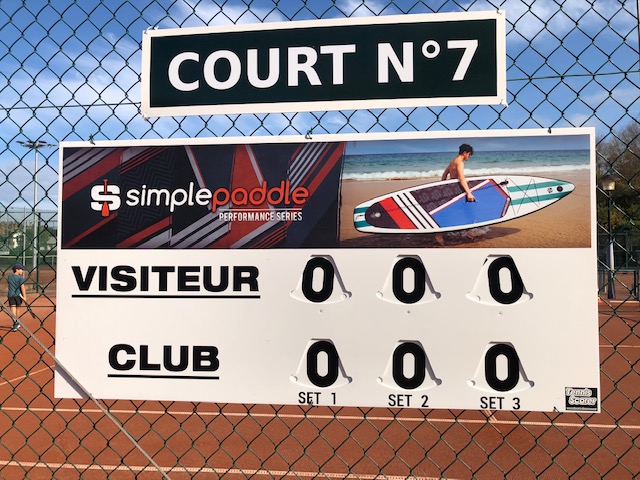
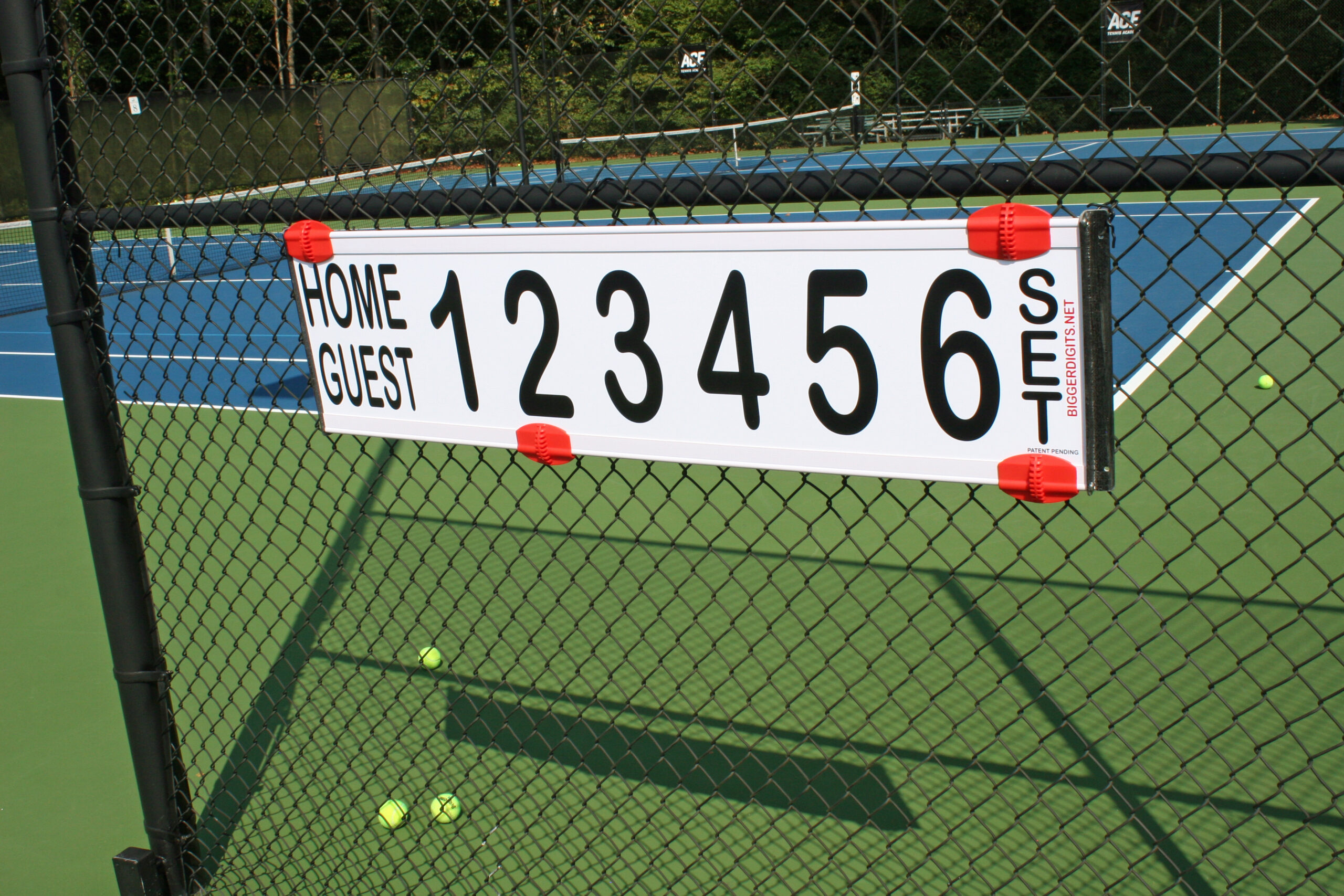
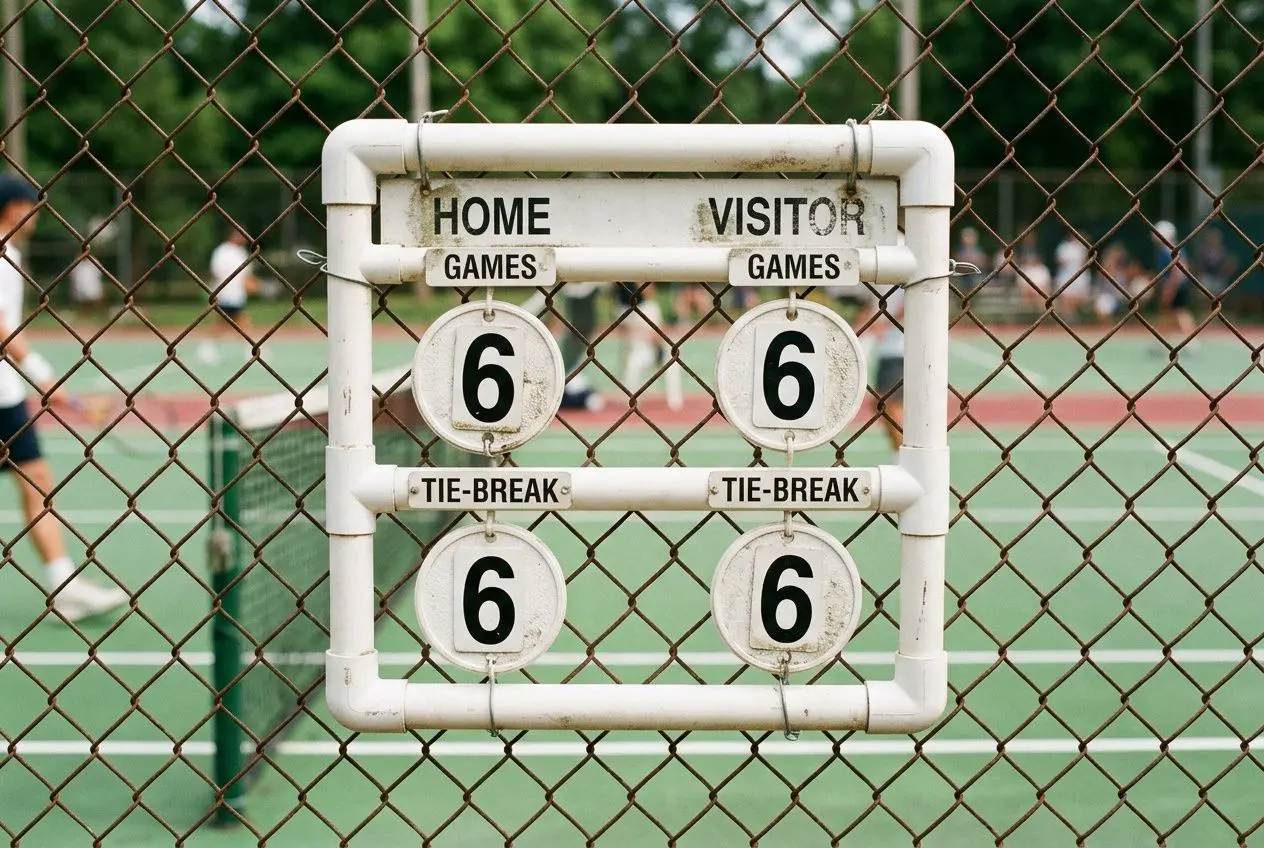
Visible scoreboards matter just as much: characters should be at least 20 cm high and readable from 50 metres. Tennis Scorer manual rotating-disc PVC boards measure 60 × 60 cm, weigh 2 kg, mount to fences with a no-drill serflex cable tie system, require no seasonal removal, and offer a 20 to 30 year lifespan.
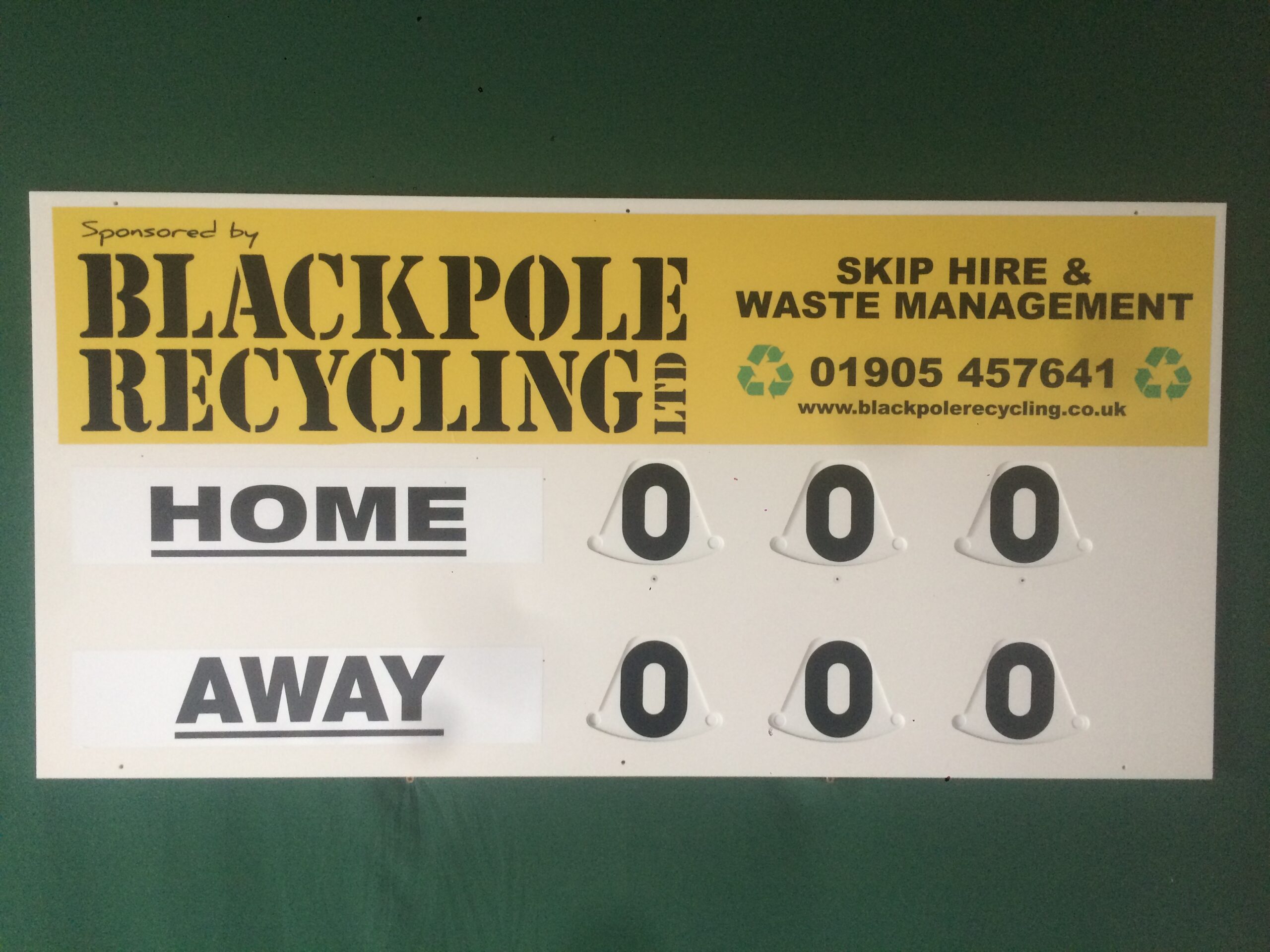
From that point, sponsor branding becomes part of the fundraising campaign. Custom stickers on the PVC panels give local business supporters visible marketing around every court, which is the right choice when club fundraising ideas need to serve both event presentation and donor recognition.
A tennis fundraiser page linked by QR code on posters can turn passing interest into a direct donation. Extras such as concessions, an auction table, a raffle desk, and practical tennis club fundraising ideas also help raise money beyond the entry fee alone.
For organisers managing a tennis club over the long term, this tennis tournament guide adds useful context on equipment, club fundraising, and marketing. It also connects naturally with charity tennis tournament planning for beginner-friendly formats.
Frequently asked questions
How do you structure a charity tennis tournament for maximum fundraising?
A draw-with-consolation format suits a charity tennis tournament well, especially with 16–32 players. It increases court time, keeps participants involved for longer, and gives supporters more reason to stay through the day.
That longer stay opens up stronger club fundraising. The base usually comes from the entry fee, then extra income is layered in through a raffle, an auction, and spectator ticket sales. A tennis-a-thon can run alongside the main draw, with pledges collected per game or rally: it expands the event’s fundraising potential without displacing any scheduled matches.
From that point, roles need to be clear. Assign volunteers carefully, including one person dedicated to each donation point and to thanking donors properly during the event.
How far in advance should a charity tennis tournament be planned?
A 12-week plan is the minimum for a well-run event. Six weeks can work, but only when the venue is already secured and the organising group is in place.
Working back from the event date keeps the process realistic. The key milestones are clear: venue and permits confirmed by week 12, marketing and registration open by week 6, prizes and sponsorship completed by week 3, and final logistics checked with all volunteers in the last week. The difference comes down to timing.
What are the most effective tennis club fundraising ideas beyond entry fees?
The strongest tennis club fundraising ideas mix participation-led income with social and commercial activity.
A hit-a-target challenge works well because it appeals to non-players as well as regular members. Skills clinics also bring in fees while introducing the sport to new audiences, making them a strong option for tennis club fundraising when the aim is to grow both revenue and local interest.
Once installed, added-value offers tend to lift results further: tennis-themed packages, coaching sessions, court hire, and branded merchandise all perform well in a silent auction. VIP courtside access, tiered giving levels, and an online campaign with a shareable donation link can also reach donors across the wider community, not just those present at the venue.