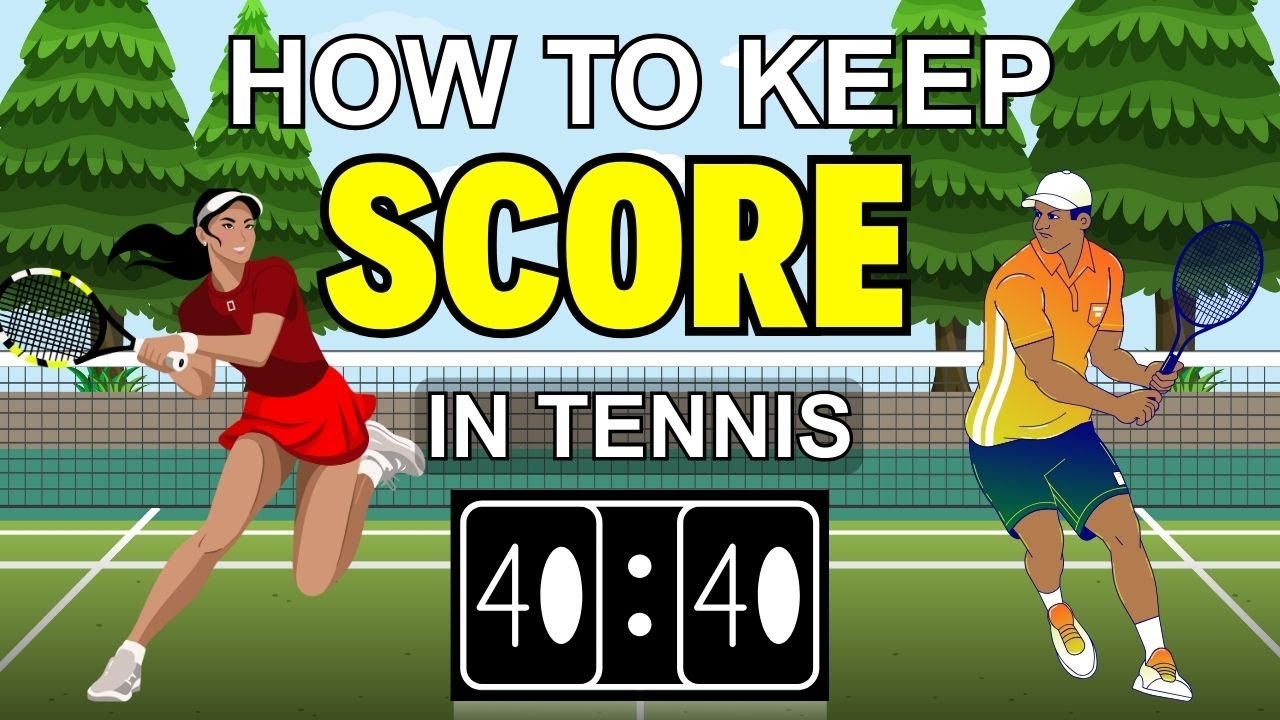


The tennis point system follows a sequence unlike most sports. A single point is scored, then another, and the scoring system builds from love to game, from game to set, and from set to a tennis match.
How does the tennis point scoring system work
That structure starts at game level. Each point changes the call, and those calls determine when a player moves ahead or wins the game.
From love to game point: understanding each point
Each game uses named terms rather than ordinary numbers: love, 15, 30, and 40 replace the digits a player might expect.
- Love means zero points; the term love is commonly linked to the French word for egg, reflecting the oval shape of zero.
- 15, 30, 40 mark the first, second and third points; the sequence is widely thought to come from clock quarter-hours, with 45 later shortened to 40.
- Game point applies when a player needs one more point to win the current game, as long as the opponent has fewer than three points.
Once those calls are clear, tied scores before deuce use “all”: 15-all or 30-all. Worth stressing: a player must win four points to take a game outright only when the opponent has not yet reached three.
What happens at deuce in a tennis match
That same principle changes once both players reach 40-40. The score becomes deuce, and from that point the system requires a two-point margin.
Once deuce applies, the next point won is called advantage: Advantage In for the server, Advantage Out for the receiver. If the following point is lost, the score returns to deuce, and the cycle can continue without limit under standard tennis rules.
Why is tennis scored 15, 30 and 40
As that sequence suggests, tennis scoring does not use numbers as direct values. The difference comes down to history: 15, 30 and originally 45 are widely believed to reflect quarter-hours on a clock face, with 40 adopted later for simpler calling around deuce.
As a result, modern tennis rules, standardised by the International Tennis Federation, retain 15, 30, and 40 as the official point calls at every level of competition.
Understanding games and sets in tennis

How many games do you need to win a set
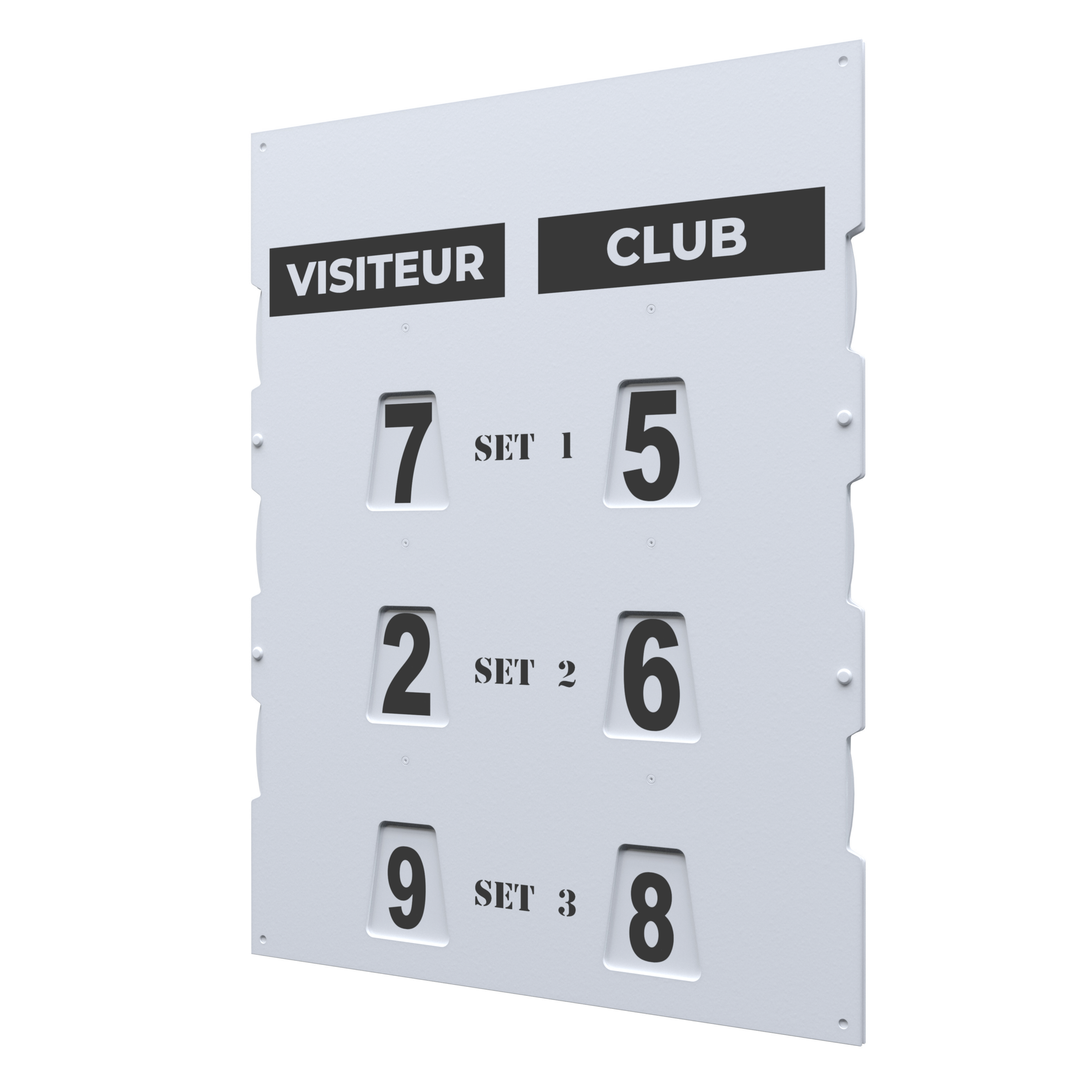
Under standard tennis set rules, a player wins a set by reaching six games with at least a two- game lead. That gives straightforward results such as 6-3 or 6-4, while 5-5 changes the shape of the set and forces play to continue until the gap is restored.
From that point, two outcomes remain: a player can pull clear for 7-5, or the score can reach 6-6 and move into a tiebreak, with the set recorded 7-6 to the winner.
- 6-4 or 6-3: the set is won before any extension is needed.
- 7-5: the set reached 5-all, then one player created the required two-game margin without a tiebreaker.
- 7-6: the set reached 6-6 and was decided by a tiebreak.
| Set score | Tiebreak played? | Outcome |
| 6-3 | No | Set won outright |
| 7-5 | No | Set won after extension |
| 7-6 | Yes | Set decided by tiebreak |
| 6-6 ongoing | Tiebreak starts | Winner takes set 7-6 |
Tiebreak rules: how does a tennis tiebreak work
Tiebreak scoring leaves behind the 15-30-40 count: each point adds one to a running total, starting from zero. The first to reach seven points by a two-point margin wins the tiebreak; if the score reaches 6-6, play continues until that gap appears.
The serve follows a fixed pattern: one point for the opening server, then two points each in turn, while players change ends every six points to reduce any advantage created by sun or wind. On court, that means the sequence stays consistent even when the score extends beyond seven.
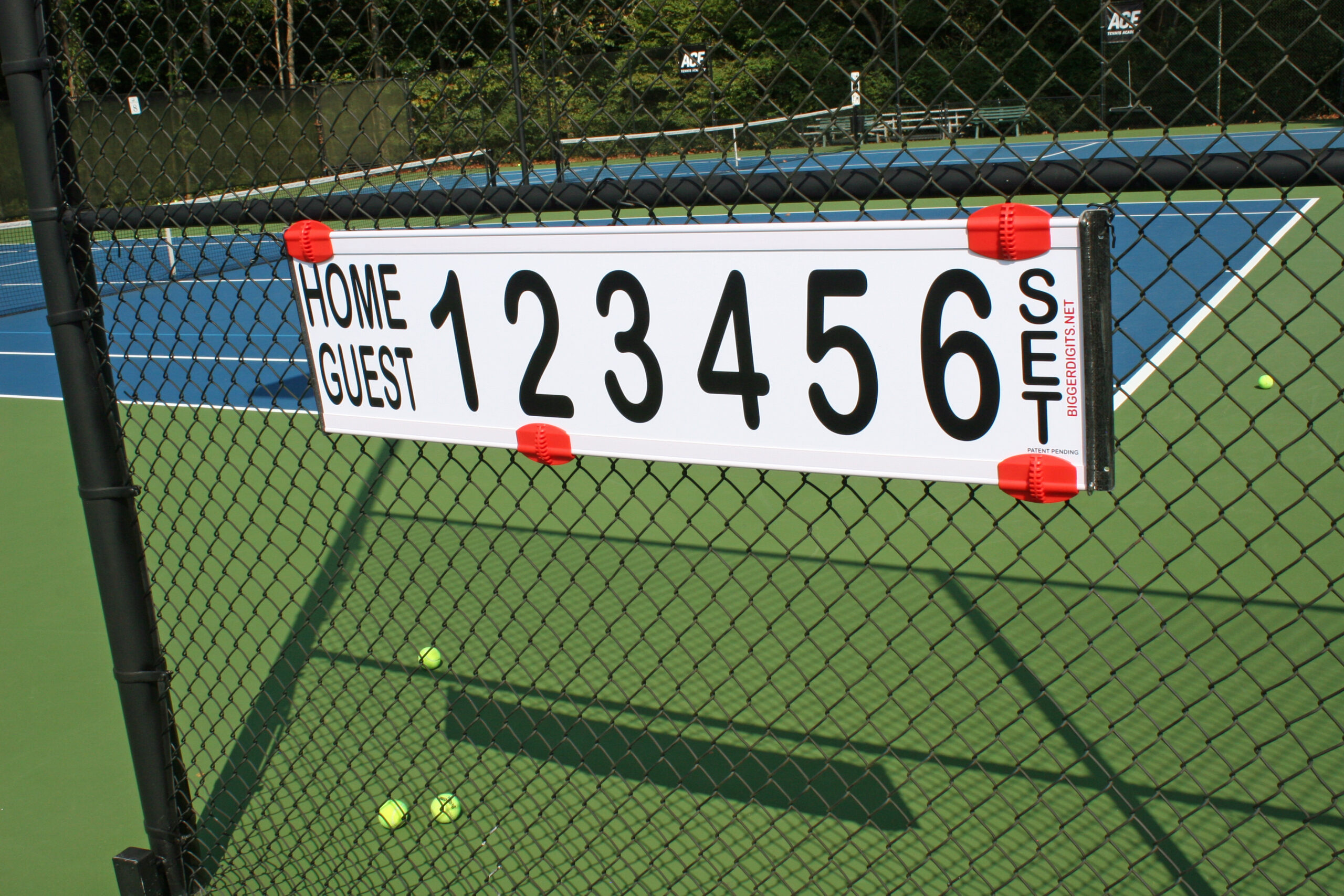
Tennis Scorer covers tiebreak display in its guide to the fence mounted scoreboard, particularly useful when the count shifts quickly.
Final set tiebreak rules at Grand Slam tournaments
For many years, Grand Slam deciders used an advantage set: play continued until one player led by two games, with no tiebreaker. By contrast, that approach has now been replaced by a common format across all four events.
Since 2022, all four Grand Slams have used a 10-point match tie-break at 6-6 in the final set. The winner is the first to 10 points with a two-point lead; at 9-9, the tie-break continues until that margin appears, a format often called a match tiebreaker.
How many sets decide a tennis match
Once the score moves beyond a single point or game, the shape of a tennis match is defined by its format. The tennis scoring system sets clear rules from the first rally to the final set, whether the contest lasts two sets or stretches to five.

Best-of-three vs best-of-five set match formats
This chosen format dictates how many sets in tennis to win. In a best-of-three match, a player must claim two sets: the longer best-of-five alternative demands three.
By contrast, best-of-five is used mainly in men’s singles at Grand Slam events. This longer format places far greater demands on endurance and recovery, requiring consistent output across matches that can span several hours.
Game point, set point and match point explained
From this demanding structure emerge the high-pressure moments that define the tennis scoring system. In any tennis match format, a competitor can find themselves a single point away from closing out an active frame: this is where the terminology shifts.
- Game point: one more point wins the current game. That can happen at 40- love, 40-15, 40-30, or after advantage.
- Set point: one more point wins the current set. A common example is 5-3, 40-30, though the same principle applies in any scoreline where the set can be completed on the next rally.
- Match point: one more point wins the full tennis match. The term describes the state of play rather than any official signal or announcement.
If the trailing player saves the point, play continues under the usual tennis scoring rules. At deuce, for example, a player must still secure advantage and then the next point unless a no-ad variation applies.
Scoring variations used in modern tennis tournaments
Modern tennis games and competitions often adjust the scoring system to shorten match durations while keeping the core logic of tennis scoring intact. These variations streamline play without sacrificing the drama of the sport.
- No-ad scoring: at deuce, a single point decides the game immediately. The receiver chooses the side, and the usual advantage stage disappears.
- Super tiebreak: a first-to-10-points tiebreak replaces a full third set in many doubles formats. A two-point margin is still required.
- Pro-set format: one extended set is played to eight games, normally with a two-game lead needed. It is common where time is limited.
- Match tiebreak: some team or doubles events designate this as the final decider under a different name, but the two-point-margin rule and first-to-ten structure remain identical to the super tiebreak.
As a result, clubs often require tools that can handle several scoring rules without confusion. The tennis scoring system tools within integrated club software keep every score, set, and match visible. Such platforms incorporate helpful digital features: drag-and-drop draws and automatic bracket updates simplify the entire tournament.
Once installed, Tennis Scorer’s manual scoreboards extend that visibility directly to the courtside. On court, that means players and spectators can track every point instantly without relying on digital screens.
Frequently asked questions
Why is tennis scored 15, 30 and 40 rather than 1, 2 and 3?
The tennis point sequence of 15, 30 and 40 is widely believed to come from clock faces: quarter-hours of 15, 30 and originally 45. Over time, 45 was shortened to 40 so the deuce and advantage system could work more cleanly. These terms long predate modern tennis rules, and the scoring system was later formalised without changing that language.
The same applies to love, the term for zero. It is commonly linked to the French l’œuf, meaning egg, a reference to the shape of zero in the score.
How does the full scoring system work in tennis from start to finish?
A match is built in stages: each point is scored within a game, games make a set, and sets decide the match.
Within a game, the calls move from love to 15, 30 and 40. The player who wins the fourth point takes the game, unless the score reaches deuce, when a two-point lead is required under the standard rules. That means one point for advantage and one more to close the game.
From that point, sets follow the same principle. A player usually wins a set by taking six games with a margin of two, while 6-6 leads to a tiebreak under most scoring rules; in some events, the final set uses different procedures.
What is the difference between a tiebreak and a match tiebreaker?
That set structure leads directly to the key distinction. A standard tiebreak is usually played at 6-6 in a set and is won by the first player to seven points with a two-point lead.
By contrast, a match tiebreaker, often called a super tiebreak, is first to 10 points and replaces a full deciding set in some doubles and recreational formats. Both formats use numbered points rather than traditional game-based scoring, and both still require a two-point margin.
Once installed within a format, the distinction is one of purpose. A standard tiebreak decides a set, while a match tiebreaker decides the match itself.