

Table of Contents
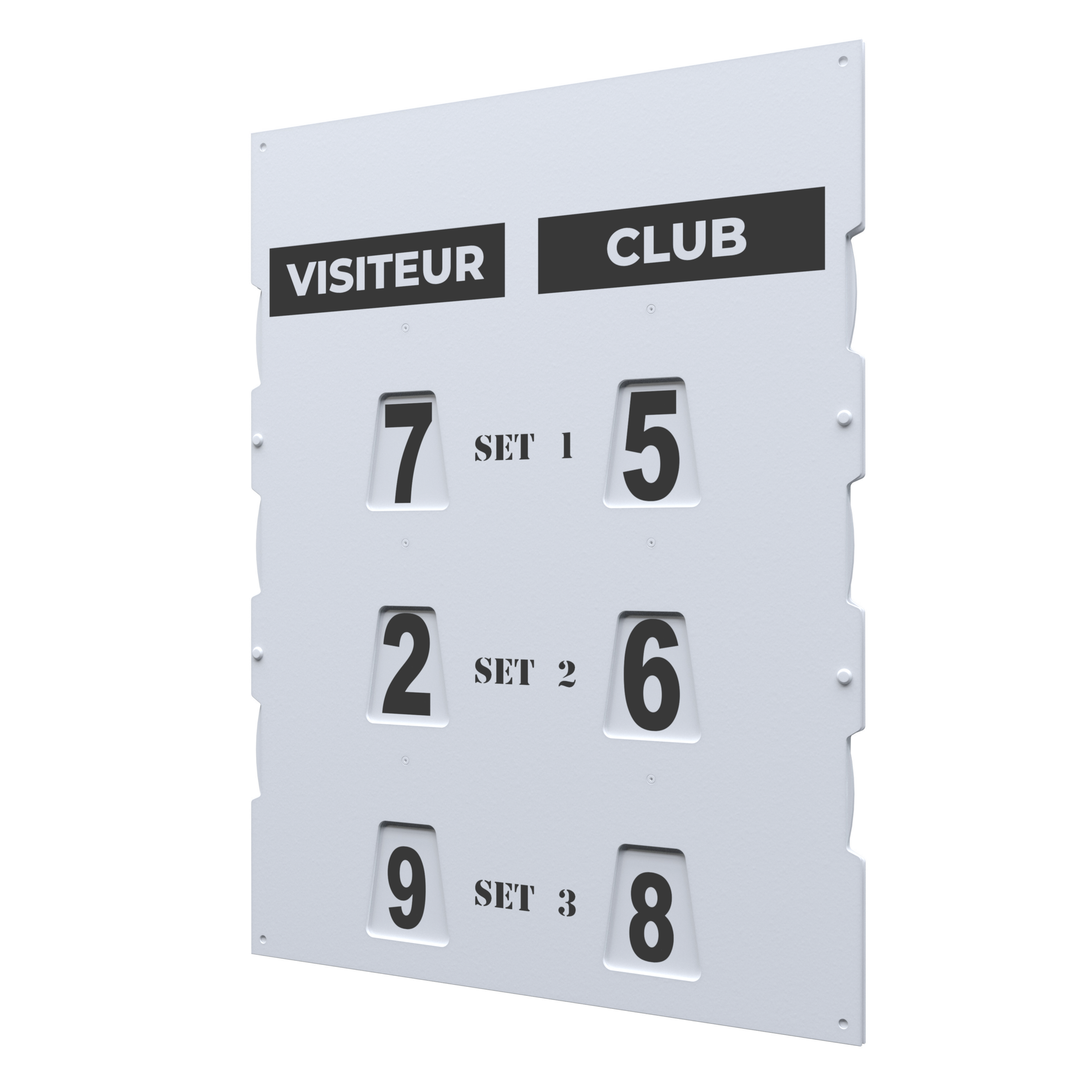
A live tennis scorecard pools the numbers that decide a match, from the current game to the final set. This article explains how to read and use one, from point names to tiebreak displays, so every scoreline makes immediate sense. For broader context, readers can consult the tennis scoring guide, how to read tennis scores and the tennis scoreboard usage guide.
Live tennis scorecard and match scoring
Tracking a match in real time requires more than a running total. A complete scorecard shows the current game score, the set-by-set record and the serving player, with updates appearing as each point is played. Tennis Scorer treats this layered structure as the foundation of a readable display, whether it is used on court or on screen.
Find live scores and fixtures
Consulting a scorecard from tennis reveals three simultaneous layers: the live point in the current game, the game tally in the active set and the completed set totals for each player. Platforms covering ATP, WTA and Grand Slam tournaments can filter data by event and status, helping readers isolate the competition that matters. All listed match times reflect UK local time. Some data comes from third parties and may be unverified when displayed, so a live scorecard remains a snapshot rather than a confirmed schedule; court assignments and start times can change without notice.
Read results from every court
Completed scorelines carry more detail than a final tally. Reviewing today’s ATP tennis results, for example, shows the exact shape of each set: a 6–2, 6–7, 6–4 result indicates that the middle set was decided by a tiebreak, while the opening and closing sets were more straightforward. Bracket notation matters too, because the loser’s tiebreak score appears in parentheses beside the 7–6 set score.
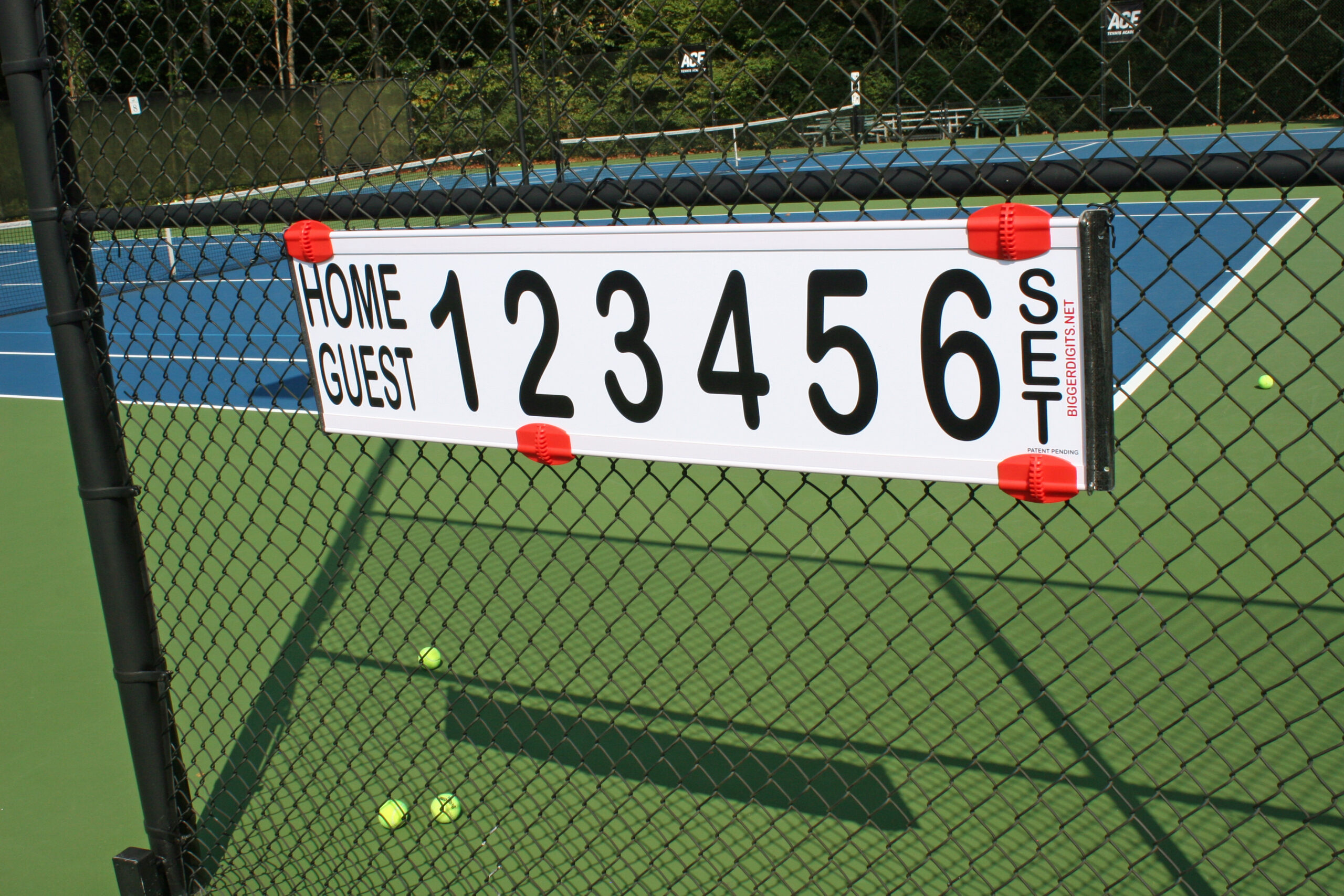
- Set-by-set breakdown: Each completed set is recorded separately from left to right, in chronological order. Once one column is fixed, the next becomes active.
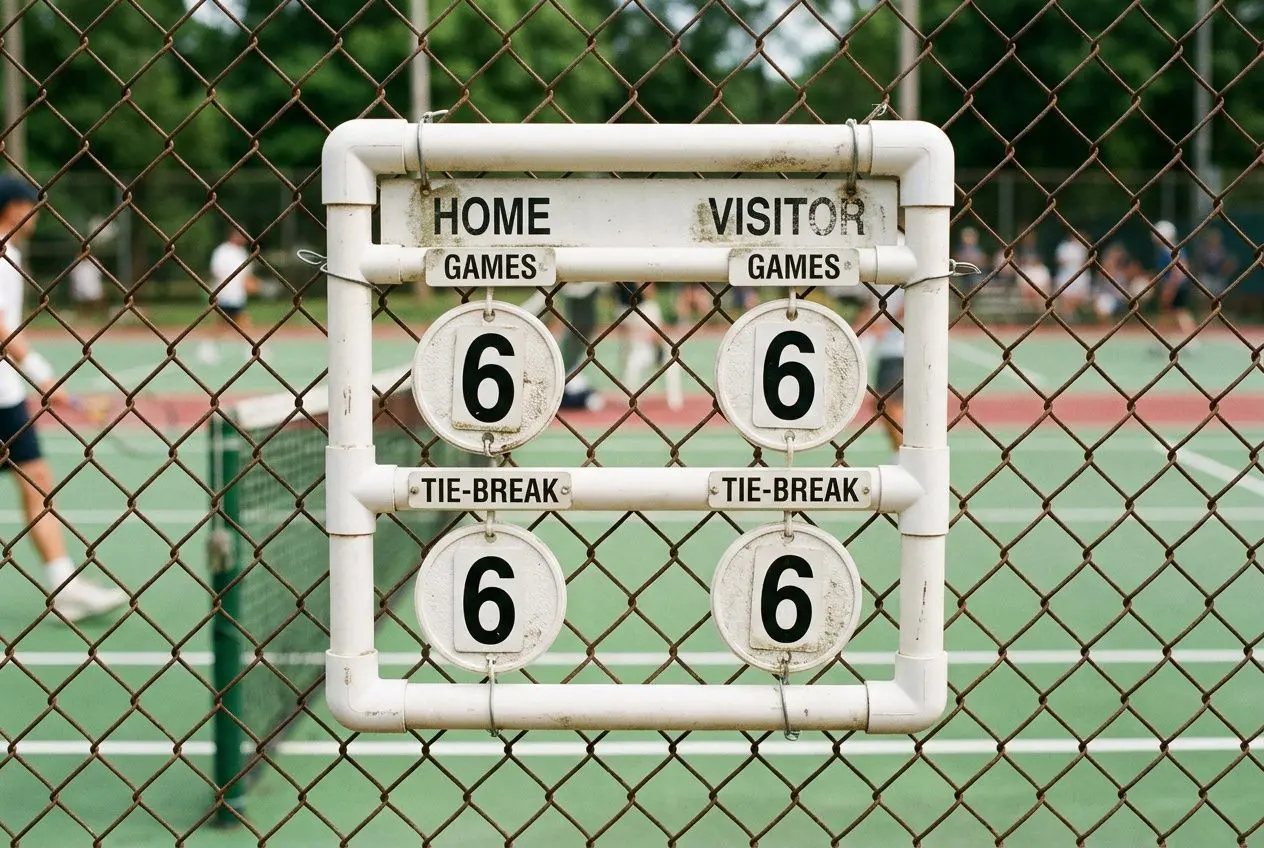
- Tiebreak notation: A set won via tiebreak appears as 7–6, with the loser’s score in brackets. For example, 7–6 (4) means the loser reached four points.
- Server indicator: A dot or triangle identifies the serving player and must be updated at the start of each new game.
- Status messages: Notes can flag delays, retirements or schedule changes affecting an ongoing event.
Courts range from central show courts, such as Arthur Ashe Stadium, to numbered outer courts. Players such as Carlos Alcaraz, Iga Świątek and Naomi Osaka regularly headline those schedules, with their seedings shown alongside their names for each round.
Understand points, games and sets
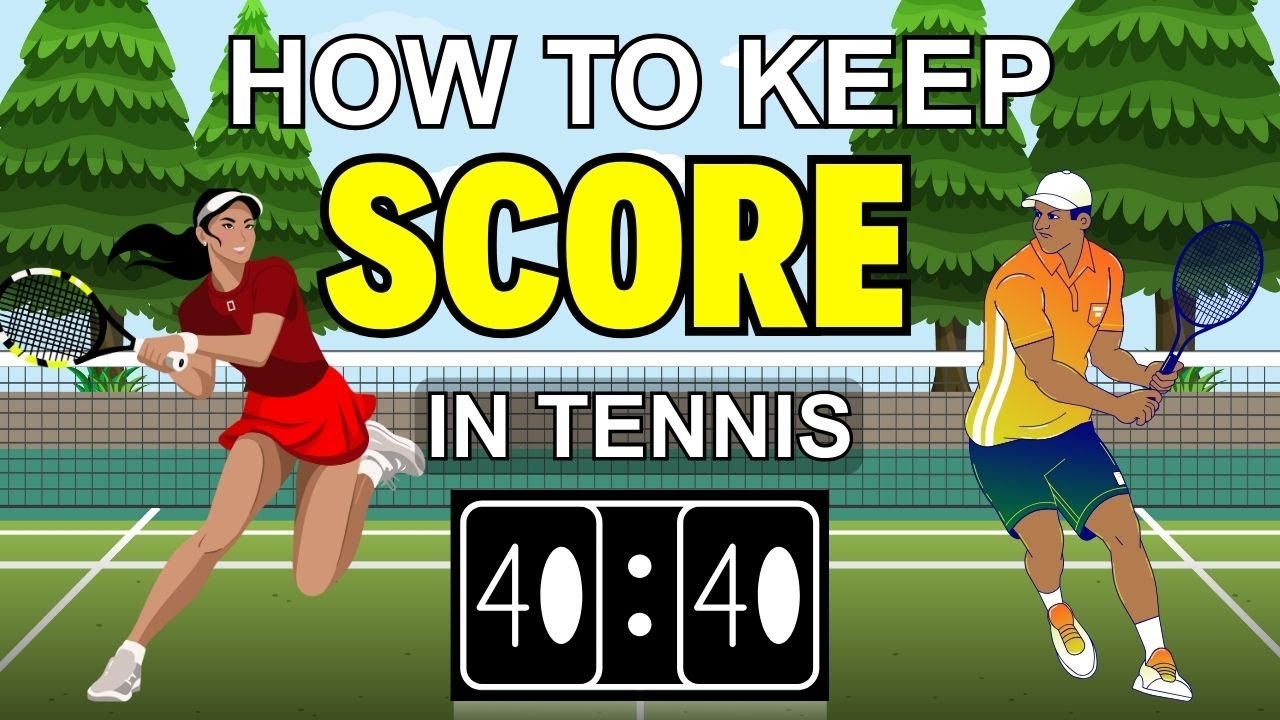
Tennis scoring operates across four layers: points build games, games build sets and sets decide the match. Each layer resets once the layer above it is settled. Points are not numbered conventionally. Love represents zero, a term historically linked to the French word l’œuf, while 15, 30 and 40 are commonly associated with quarter-hours on a clock face; 45 was later shortened to 40 for ease of calling. The server’s score is announced first, so 30–15 means the server leads by two points to one.
Once both players reach 40, the score becomes deuce. From there, one player must win two consecutive points: the first creates advantage and the second wins the game, while a lost advantage returns the score to deuce. A set is won by reaching six games with a two-game margin, producing outcomes such as 6–0, 6–3 or 7–5; 6–5 does not end the set. Most professional matches use a best-of-three format, while men’s singles at Grand Slam tournaments use best-of-five.
| Score term | Points won | Condition |
| Love | 0 | No points scored yet in the game |
| 15 | 1 | First point won by that player |
| 30 | 2 | Second point won by that player |
| 40 | 3 | Third point won; one more wins the game if the opponent has fewer than 3 |
| Deuce | 3 each | Both players at 40; two consecutive points required to win |
| Advantage | 4 (leading) | One point ahead after deuce; the next point wins or returns to deuce |
Follow tiebreaks and match points
When a set reaches 6–6, a tiebreak decides it. Since 2022, all four Grand Slam tournaments, including the Australian Open, have used a 10-point match tiebreak in the final set at 6–6, with the winner needing at least a two-point lead. An advantage set follows a different principle, continuing until one player leads by two games without a tiebreak ceiling. Players change ends every six points, and the serve pattern is fixed: one point for the opening server, followed by two points each in alternating turns.
Match point describes the situation in which one point can end the match. If the trailing player saves it, the usual scoring rules resume. In many doubles formats, a super tiebreak replaces a full third set; it is won by the first player or team to reach 10 points with a two-point margin. On the scoreboard, both players’full point totals appear in brackets for a match tiebreak, such as 6–7 (8–10), rather than only the loser’s score as in a standard set tiebreak. Real-time live score updates capture each transition as it happens, keeping the display accurate through every change in momentum.
Frequently asked questions
How do you read a tennis scorecard for a match in progress?
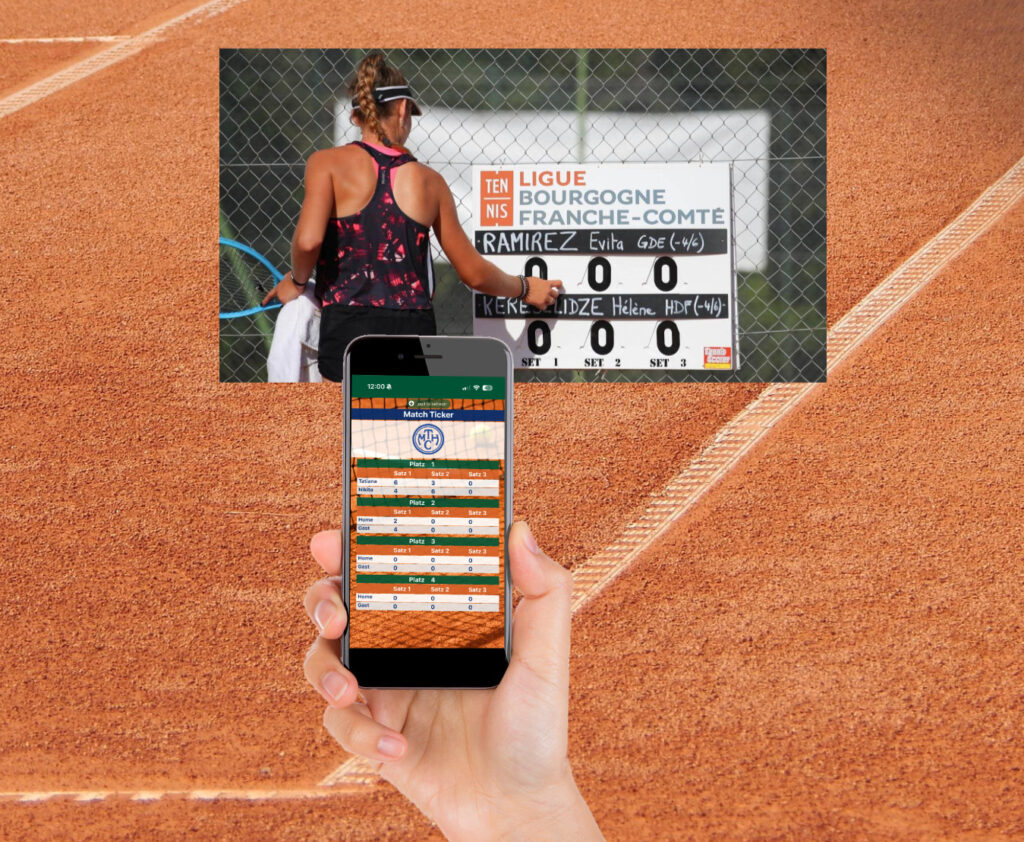
A tennis scorecard splits into three zones. The left panel lists the players and their seeds, while the central columns show the game count for each completed or current set, read from left to right in chronological order. The right section displays the live point score in the current game: love, 15, 30 and 40, with the server’s score shown first. A serving indicator, usually a dot or triangle, identifies the player who is serving.
Why does tennis use 15, 30 and 40 instead of 1, 2 and 3?
The 15–30–40 scoring sequence is believed to come from the quarter-hours on a clock face, with each point moving the hand by 15 minutes: 15, 30 and 45. The final value was shortened from 45 to 40 because “quarante-cinq” was awkward to call aloud, and the convention was formalised at the first Wimbledon tournament in 1877. The term love for zero is commonly linked to the French word l’œuf, meaning egg, a reference to the oval shape of zero.
What does a tiebreak score in brackets mean on a scoreboard?
When a set is decided by a tiebreak, the final set score appears as 7–6, with the loser’s tiebreak point total shown in brackets beside it. A result of 7–6 (4) means that the losing player reached four points in the tiebreak; 7–6 (6) indicates a much closer finish. In a match tiebreak, such as those used in Grand Slam final sets and many doubles formats, both players’full point totals appear in brackets: 6–7 (8–10), for example.
Tennis Scorer incorporates this notation in live scoring, for fans following matches on a digital scoreboard or a printed tennis scorecard.