
Table of Contents
Promoting a tennis club works best as a sequence of local actions rather than a single advert. For organisers who want new members, the sequence runs from defining the audience through open days, taster sessions, school partnerships, referrals, social media and branded court scoreboards to the booking, follow-up and measurement that turn first visits into membership.
Plan your tennis club promotion
A useful marketing plan starts before any poster or post goes out. Good marketing for tennis clubs connects three decisions: who the club wants to reach, what it offers them and when each message goes out. Once those choices are written down, everyday club management can share the work across committee members and coaches.
Choose your audience and catchment
Every marketing strategy starts with the catchment: the area people will realistically travel from to play. Within it, review the local activities that compete for the same evenings and weekends. Families, young professionals and older adults then need separate messages, and often separate channels, because they discover a sport in different ways.
Existing members are the quickest source of that insight. Asking why they joined and what they value shows which reasons will persuade potential members, often in words the club would not have chosen itself.
Turn club offerings into reasons to play
Those reasons only work when club offerings are described as benefits rather than equipment. Floodlit facilities mean tennis continues through the darker months. Group coaching, by contrast, offers two things: a way to improve and a way to meet other players. Each message should also lead to one specific opportunity, such as a beginner session or an open day, so readers know exactly what to do next.
Consistency ties those messages together. The same logo, colours, typography and tone across every flyer, post and banner make separate marketing campaigns recognisably the work of one club.
Build a workable marketing calendar
The LTA suggests a clear order: catchment, audience, offer, message, channels, creative materials and measurement, followed by engagement and retention planning. The LTA’s own tennis club marketing plan template is based on a three-court club and can be adapted to larger or smaller venues.
From that point, a calendar of posts, sessions and events shows the team what goes out each week or month. In practice, it lets the club promote itself steadily rather than in bursts.
Bring new players in through local events
A planned calendar needs dates that give people a reason to visit. Local events let newcomers try the courts, meet coaches and talk to players before committing, which makes them a dependable way to attract new members.
Run an open day with a next step
A club open day works when it caters for several levels at once. The programme can combine:
- Beginner and improver play: separate courts so each group plays at a comfortable pace.
- Junior activities: games that let parents watch their children enjoy the sport.
- Coach introduction: a chance to see how lessons and group coaching run.
- Member conversations: experienced players welcoming guests and explaining club life.
Before visitors leave, show them the forthcoming sessions and explain how to book a next visit or apply for membership. The LTA recommends offering an appealing opportunity to keep playing, so the day leads somewhere rather than ending at the gate.
The LTA reports that its Big Tennis Weekends attract more than 85,000 attendees a year. Of those, 58% subsequently decide to join the venue and play regularly: a national programme result, not a conversion rate any single open day should expect.
Make taster sessions easy to join
For visitors not ready for a full day, an introductory clinic is a lighter entry point. One suggested 90-minute format gives 30 minutes each to basic technique, guided rally games and social time, with four to six participants per court. Lending rackets and balls removes the equipment barrier for newcomers who own neither.
Work with schools and local partners
Schools reach children and, through them, parents who may want to play too. Physical-education teachers or after-school coordinators can run an introduction series and send families the club’s event registration link, so no list of children’s details changes hands.
Beyond schools, partnerships with the local community extend the reach. Fairs, community tennis festivals, shops, fitness centres and sports organisations can publicise tasters or host a stall where organisers meet prospective players.
Tennis pros offer another route: a coaching professional can bring existing pupils to the club. A written agreement should set out who handles instruction, court use, scheduling and promotion.
Spread the word through members and online channels
Events reach people who are already nearby; members and online channels carry the message further. Personal recommendations and visible club activity work together, each making the other more credible.
Give members a simple way to refer friends
Referrals start with a simple request: ask members to invite friends and family to club events and share event posts with their own networks. The mechanism then needs a format members can actually use:
- Referral link: a personal web link a member can send by message.
- Referral card: a printed card handed over at work or school.
- Referral form: a short form identifying the newcomer before they apply.
- Conditional reward: under one documented arrangement, the reward follows only once the newcomer joins and pays.
The link has a further advantage. When the friend chooses to use it, the friend initiates contact, so the club never treats details supplied by someone else as permission to send marketing.
Post locally relevant social content
What friends see online should show what the tennis club feels like. On social media platforms, photographs of play, short coaching clips, views of the facilities and event updates tell prospective players what to expect. Location tags and local hashtags help nearby people find those posts, and community groups can carry announcements where their rules allow.
Paid reach can support a specific event. The LTA’s open-day organiser guide gives £25–£100 as an indicative budget for locally targeted social media advertising: a promotion figure, not a cost per new member.
Help nearby players find the club
Social media builds awareness, but many people search directly when they decide to play. A strong online presence starts with an accurate Google Business Profile, which shows local searchers the club’s location, opening information and photographs.
Website articles can then answer local searches for tennis lessons or coaching, using the terms prospective players actually type. Locally targeted search adverts can focus on lessons, coaching or events, as long as resulting enquiries and sign-ups are tracked.
Make the courts visible with branded scoreboards
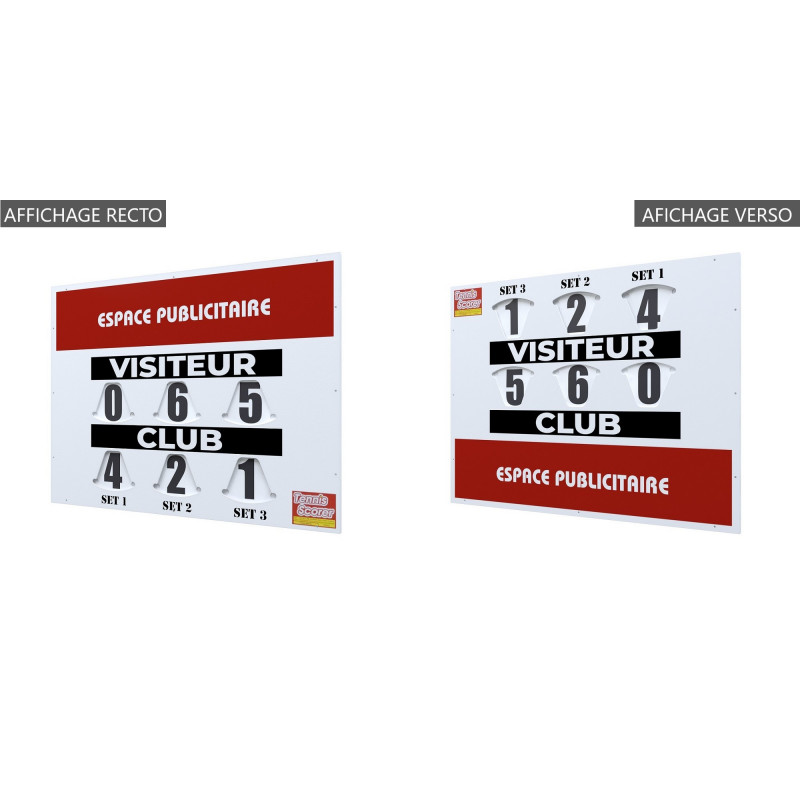
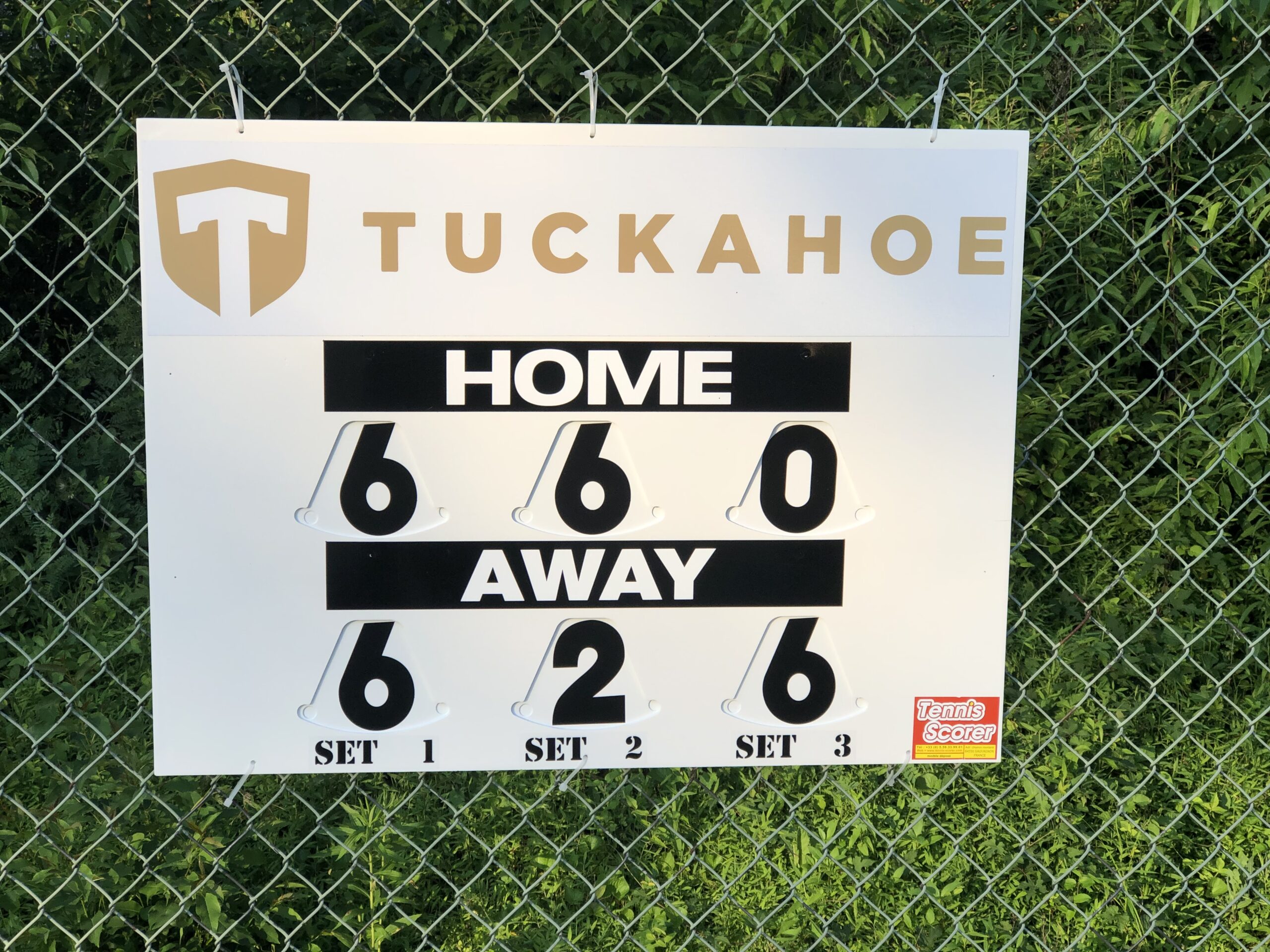
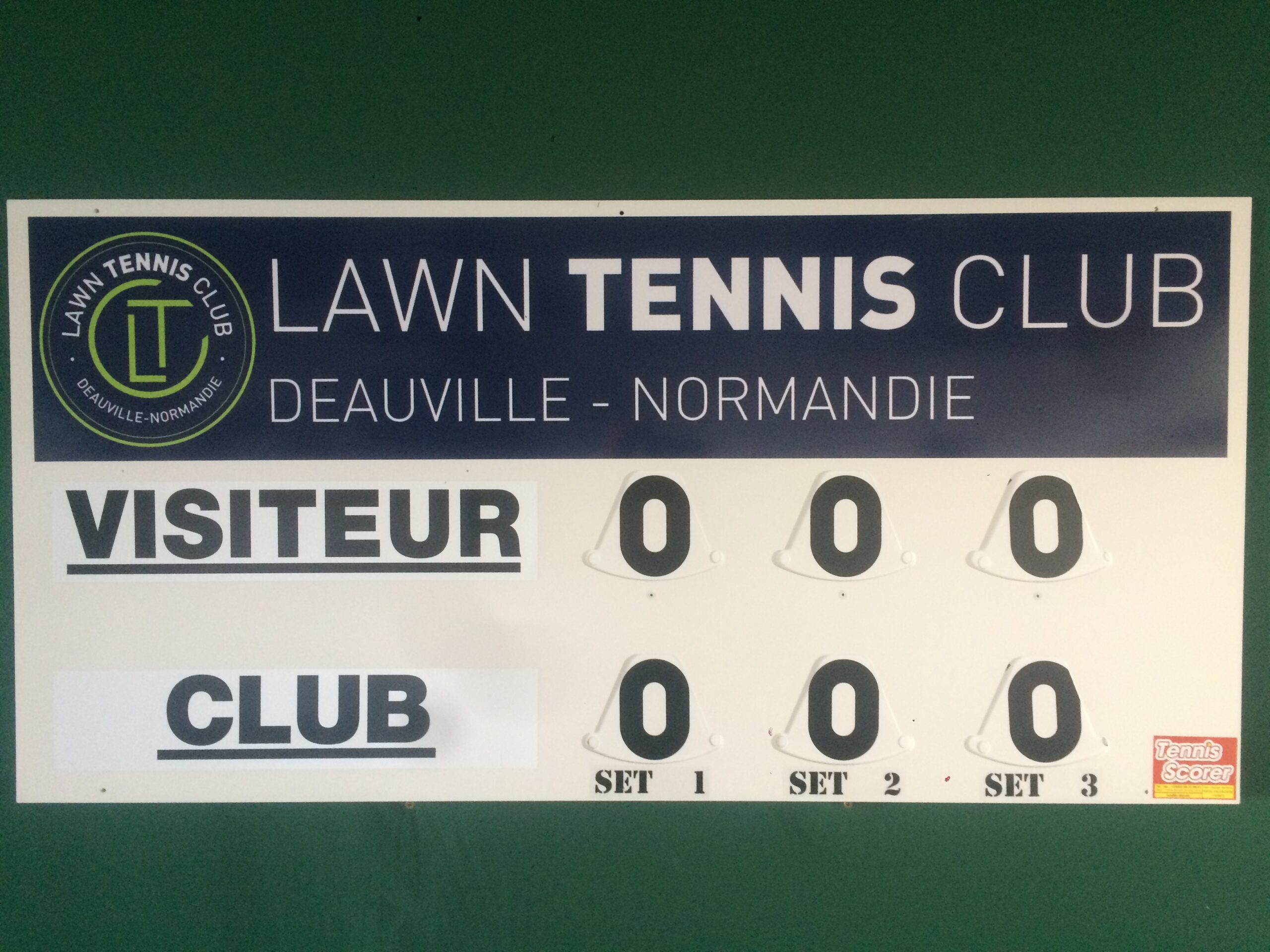
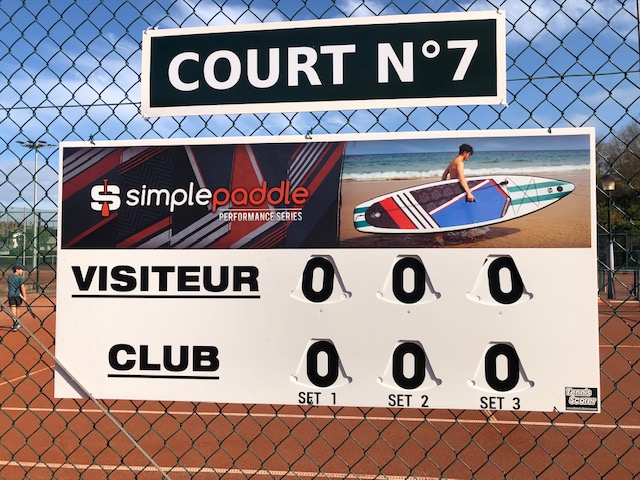
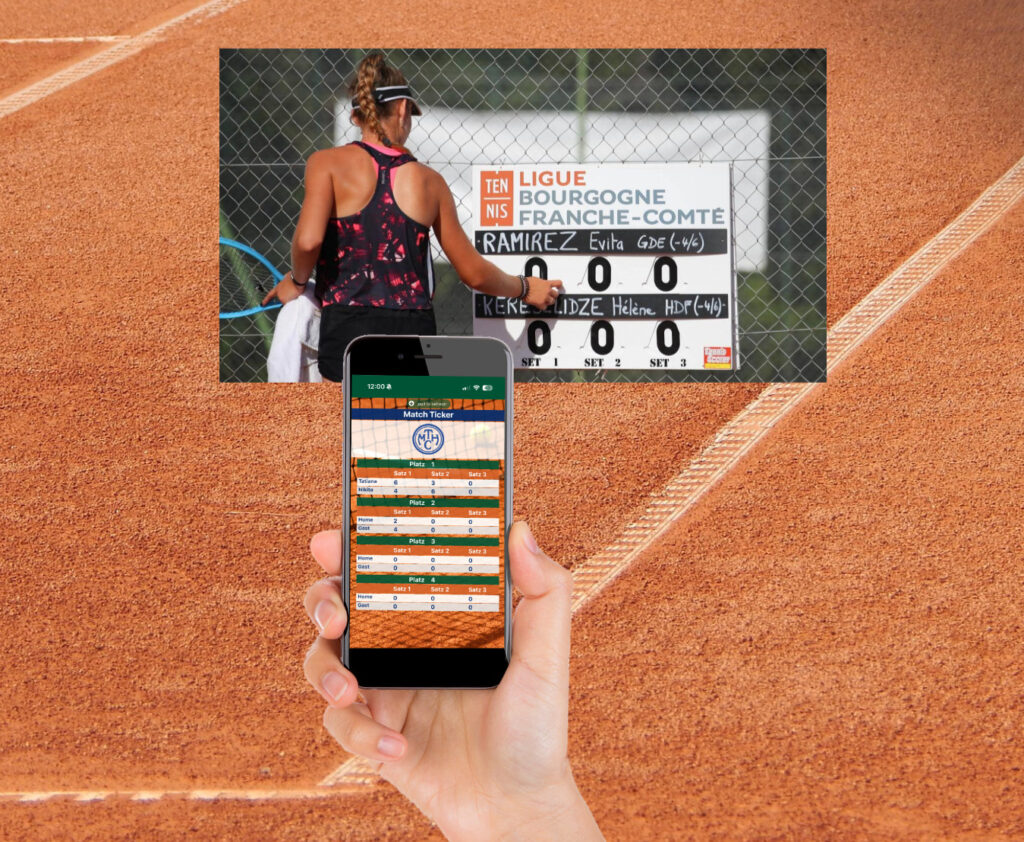
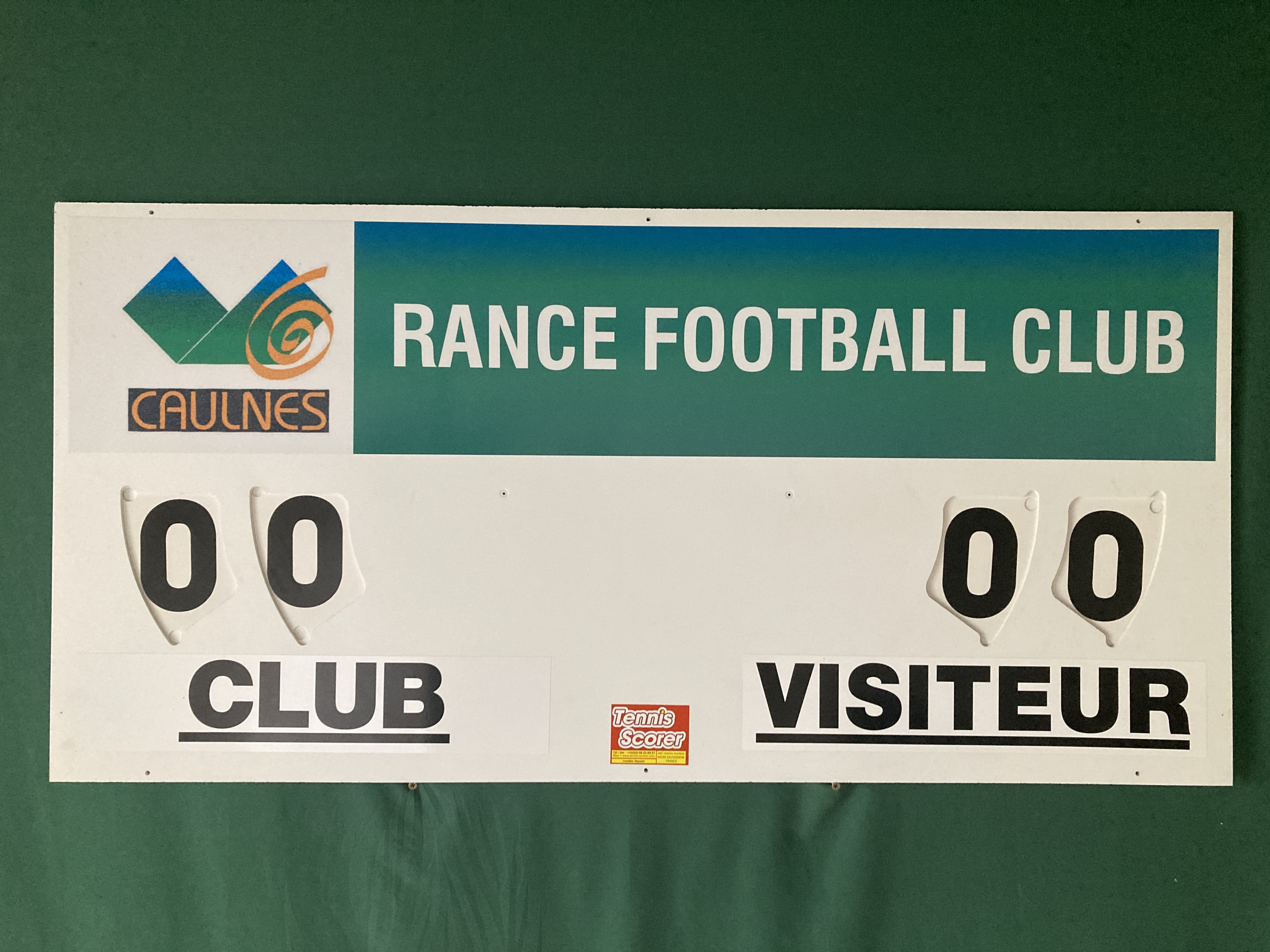
Once people arrive, the courts themselves carry a message. A visible, branded score display tells passers-by that matches are played here, and it gives the club and its partners a permanent presence on site.
Show visitors what is happening on court
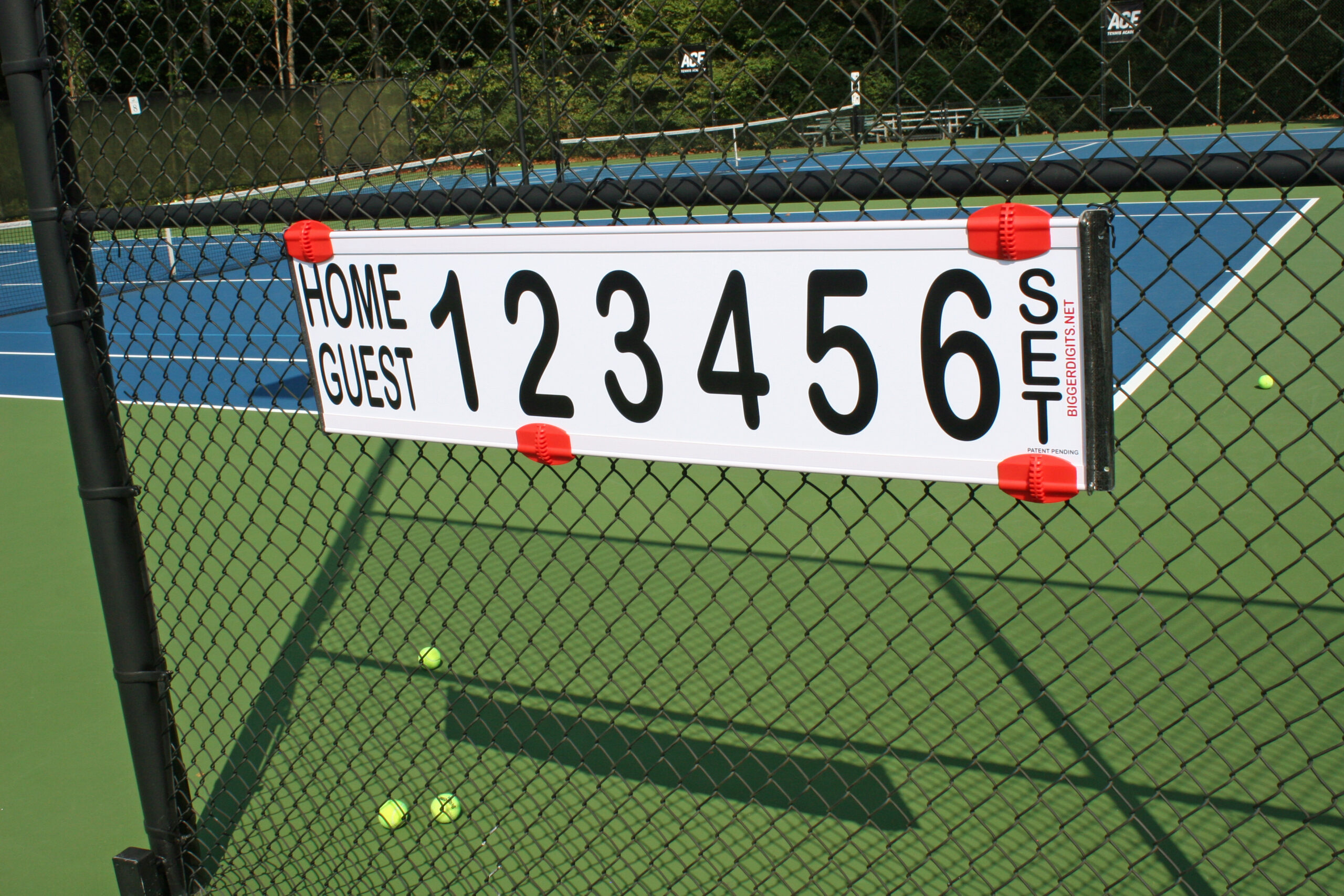
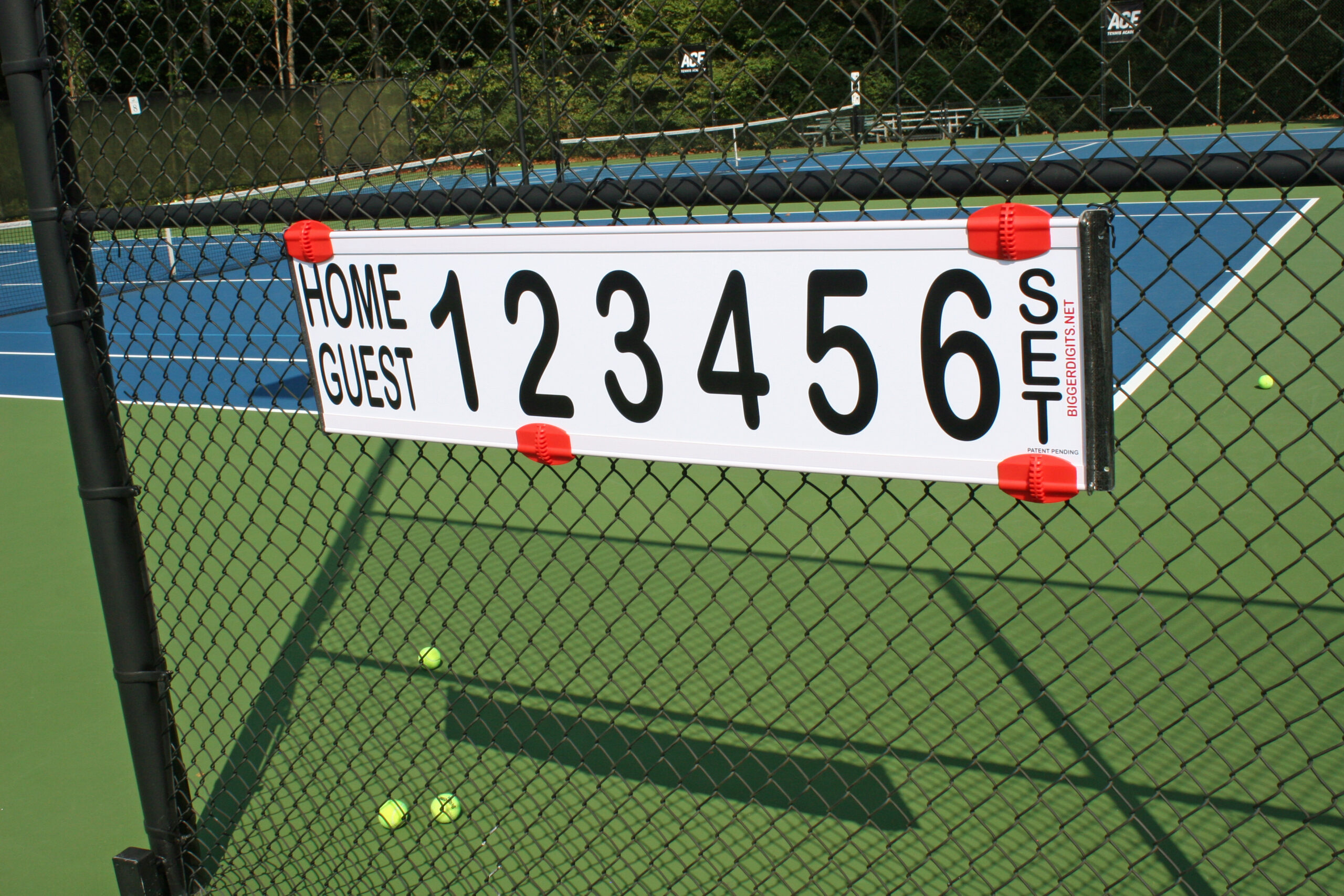
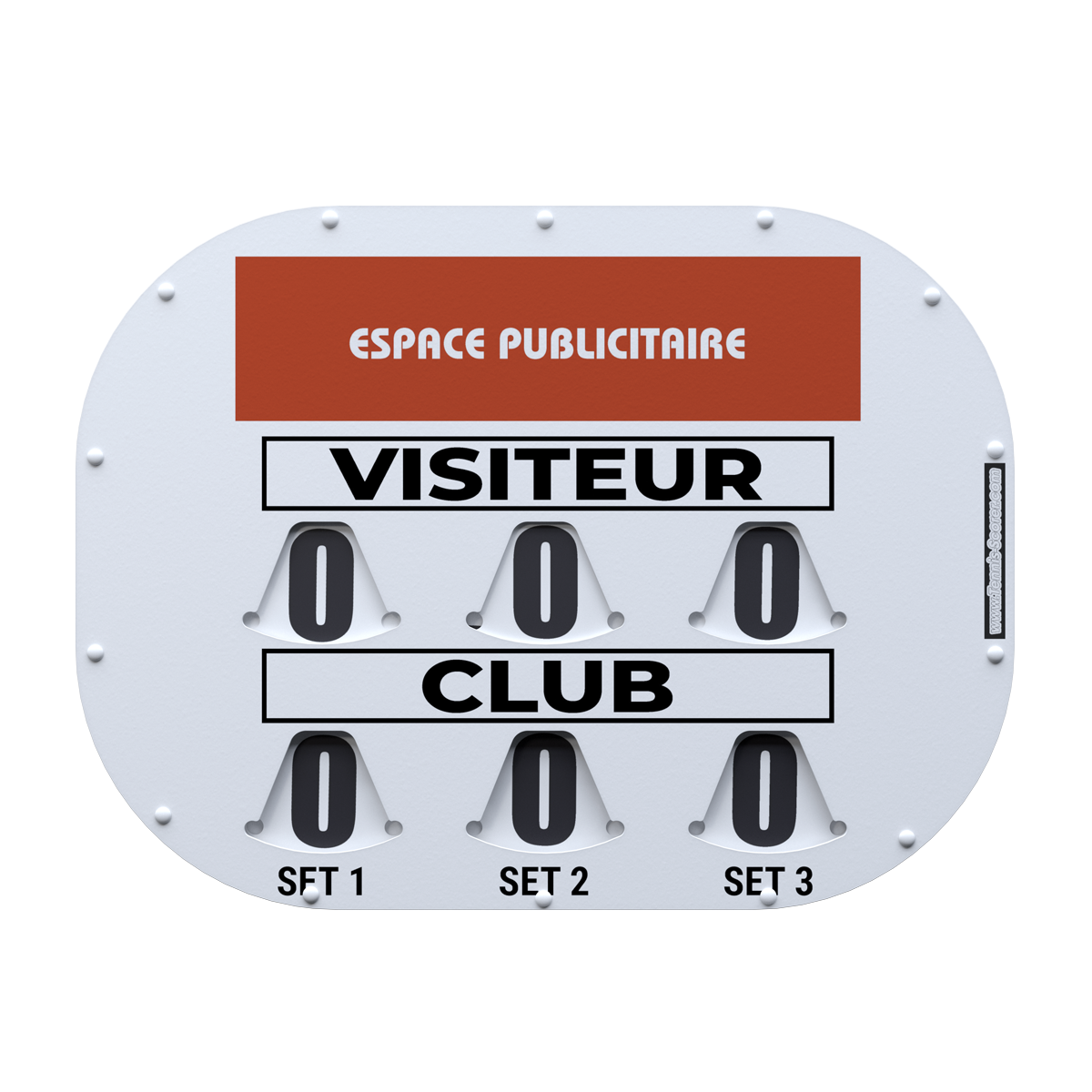
Manual scoreboards let players update the score at changes of ends, while spectators follow the match score, player or club names and rankings. These are among the benefits of score display boards for anyone watching from beyond the fence. In one LTA case study, a club grew from 38 to 230 members in nine months after combining new signage with school outreach, community activity, social media and events, without attributing that growth to signage alone.
Signage can also pay for itself. A scoreboard’s advertising space can display a partner’s branding in return for the partner financing the board.
Choose branding visitors can recognise
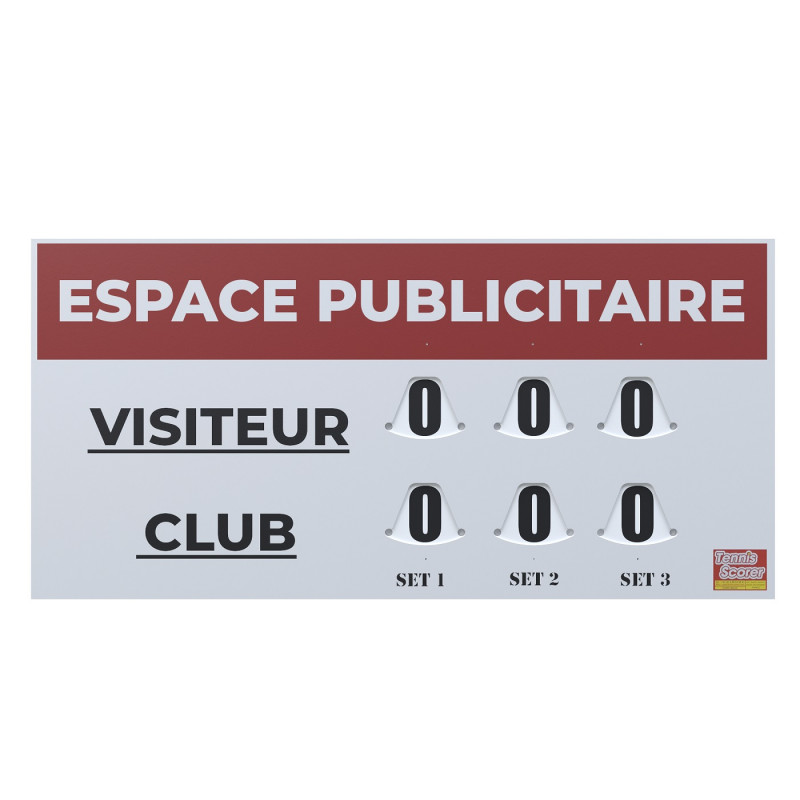
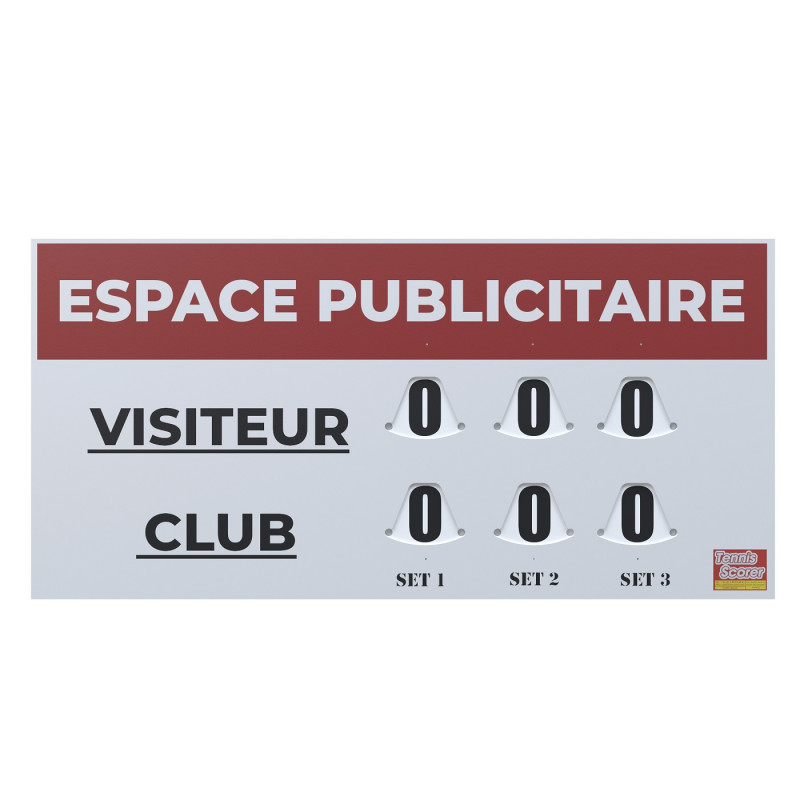
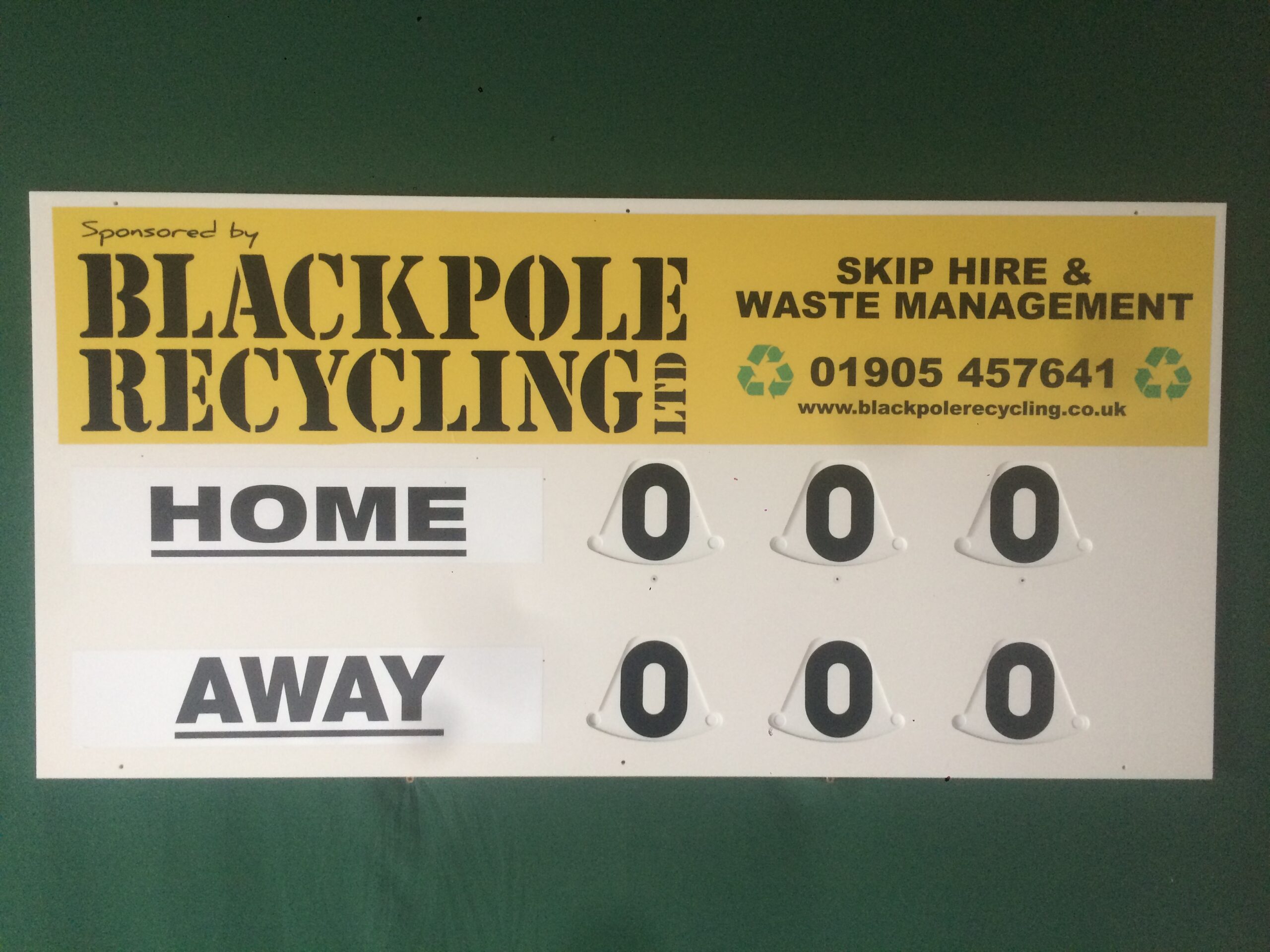
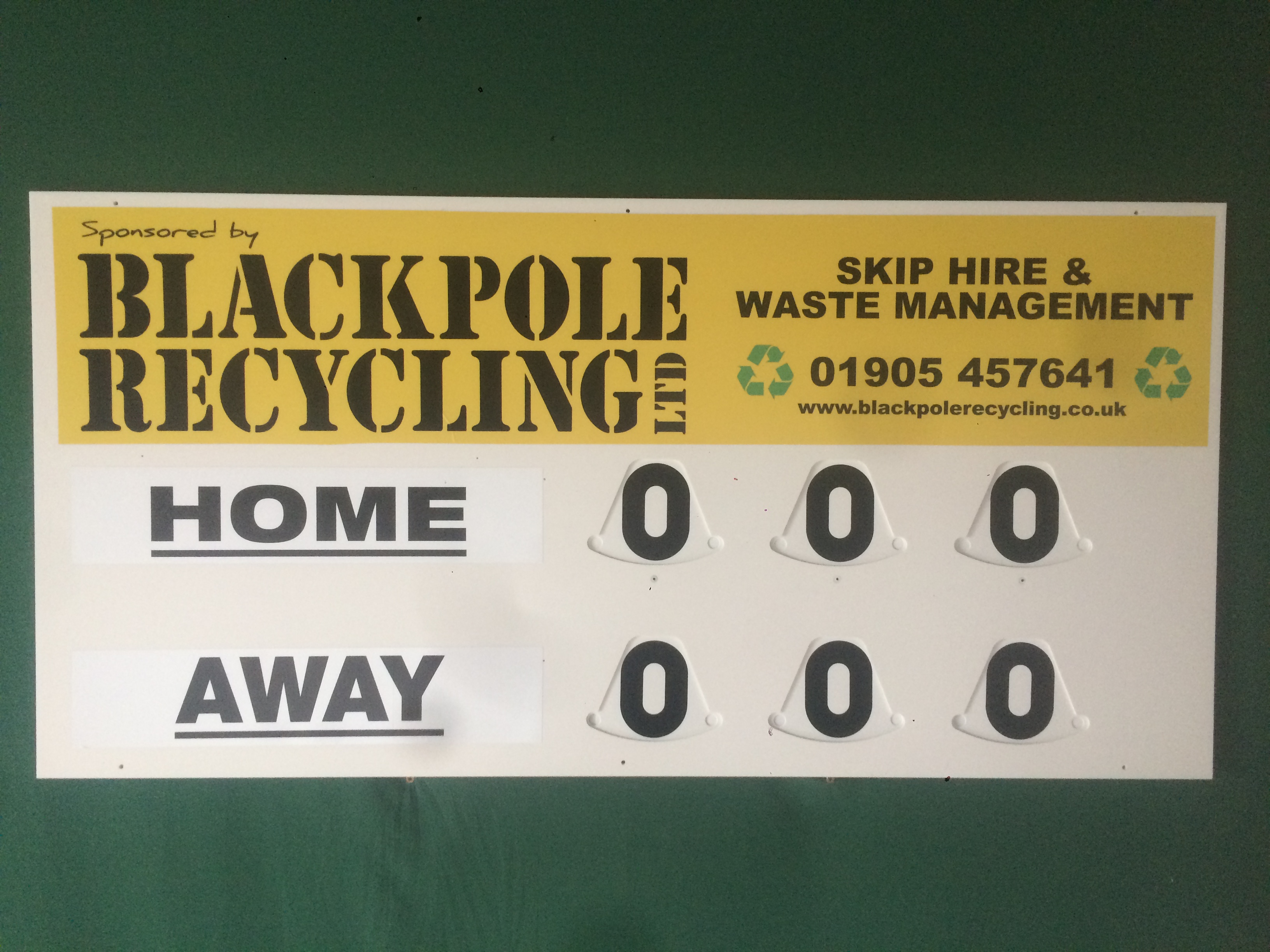
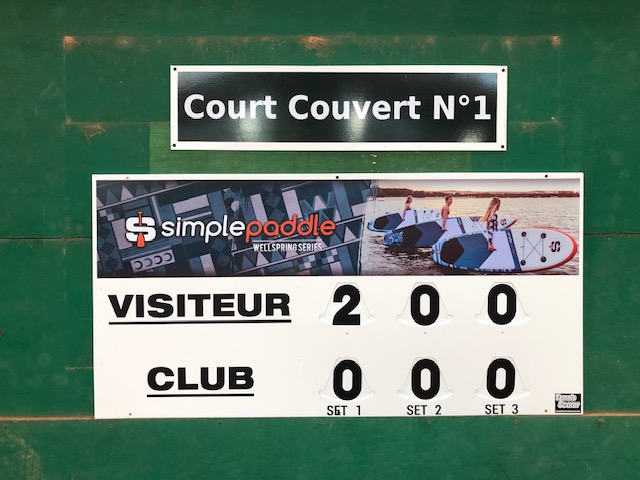
That advertising space can show a sponsor’s logo, the club’s identity, a court number or a combination, provided the score stays legible. Tennis Scorer supplies a free personalisation sticker with its CLIPTEC scoreboard model, and the CLIPTEC advertising sticker measures 78 × 17 cm.
A QR code or short web address on permitted signage or a scoreboard makes scans and subsequent enquiries measurable. On court, that means the club can see whether visitors follow up, although scans alone do not establish recruitment.
Match the board to the court rules
Size and readability depend on where the board hangs. The outdoor CLIPTEC board from Tennis Scorer measures 80 × 60 × 0.8 cm. Its 12 cm-high figures are designed to be read from approximately 50 m away. For smaller spaces, Tennis Scorer offers COMPACT scoreboards for tennis or padel in single-sided and double-sided formats, also with a free personalisation sticker.
Placement then needs a rules check. The 2026 LTA Competition Regulations, effective 1 January 2026, restrict advertising on specified tennis court and net equipment, so clubs should check applicable competition and venue rules before positioning sponsor material.
Turn first visits into lasting membership
Visibility and events bring people to the gate; tennis club membership depends on what happens next. Booking, follow-up and measurement decide whether a first visit becomes a regular habit.
Simplify booking and joining
A mobile-friendly club website is usually the first stop after an event. Three elements keep the route short:
- Current information: membership options, coaching, schedules and court availability kept up to date.
- Online booking: real-time court availability without a telephone call.
- Short joining forms: only the necessary information, with the next step explained.
Pay & Play adds a way to try the club without joining first. In one LTA club case study, 385 distinct users made 1,203 bookings over 15 months. Of those users, 29 became full adult members.
Follow up and help newcomers settle
Those bookings create contact details, but not marketing permission. The ICO says event-booking permission does not automatically cover unrelated promotional emails or texts. Email marketing to individual subscribers normally needs separate, specific, affirmative and recorded consent that is as easy to withdraw as to give.
Once a prospect opts in, a welcome email can introduce coaching, events and membership benefits. The member newsletter, by contrast, focuses on club news and programmes.
Emails do not replace personal contact. A first-visit introduction or member buddy helps newcomers meet other players and find a suitable session, which supports early engagement.
Measure membership and reasons to return
Measurement shows which of these efforts work. Track discovery, registration, attendance, a second visit, membership application and confirmed membership as separate stages. Club rules, not attendance, determine when an applicant actually becomes a member.
From there, compare confirmed new members with cancellations each month. Reviewing retention after six or 12 months shows whether recruits stay.
Short member or end-of-session surveys explain the figures: preferred activities, satisfaction and obstacles to returning. Their answers guide changes to playing and coaching programmes.
Frequently Asked Questions
How long does an outdoor tennis scoreboard last?
No independently established UK-wide service life exists: exposure, materials, fixings, maintenance and condition decide when replacement is due. BS EN 1510:2004, listed as current by BSI, covers tennis-equipment safety and function but sets no lifespan for manual scoreboards. On an exposed court, check legibility, resistance to rain and UV, construction and fixings regularly.
Can a tennis club run a recruitment event on public park courts?
Possibly, but permission depends on the landowner or local operator, and an ordinary court booking should not be assumed to cover it. A council or parks partner may ask for an event plan covering timetable, site use, expected attendance, accessibility, safeguarding, insurance and clean-up.
How can a tennis club attract disabled and less experienced players?
Beginner, older-adult and disability-accessible sessions show that the club is not only for competitive players. For disabled players, state the adaptations and support actually available rather than a general claim of inclusion. The LTA recommends contacting disability organisations when developing these sessions.